



Sump Pumps in Rockville, MD
Keeping your basement or crawl space dry is absolutely essential for Rockville, MD homes. With humid summers, occasional heavy rainstorms, Nor’easters, and spring snowmelt, properties here face recurring groundwater and surface runoff risks. Professional sump pump inspection, repair, and replacement services from Tario HVAC are vital for protecting finished basements, mechanical systems, and foundation integrity. We can explain common sump pump problems in Rockville, the types of pumps and backup options available, how inspections and repairs are done, recommended maintenance schedules, installation requirements, warranty considerations, and effective emergency flood-response practices.
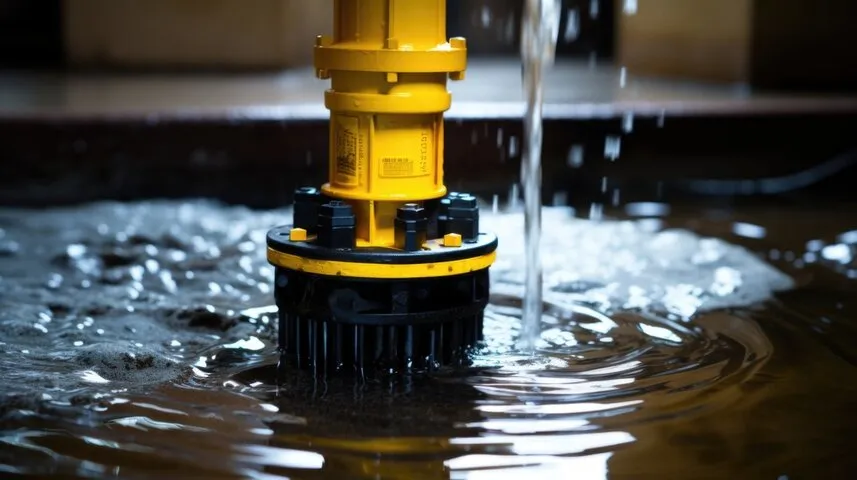
Common Sump Pump issues in Rockville, MD
Homeowners in Rockville typically encounter these problems:
- Pump fails to start: often due to electrical issues, a failed motor, or a stuck float switch.
- Intermittent operation: caused by incorrect float position, debris in the basin, or incorrect pump sizing for the water inflow.
- Clogged intake or discharge: sediment, gravel, or ice in winter can block flow.
- Reverse flow: missing or failed check valve allows pumped water to return to the pit.
- Power outage vulnerability: storms can cut power when pumping demand is highest.
- Age-related wear: motors and impellers degrade over time; seals leak and performance drops.
Types of sump pumps and backup options
- Submersible pumps: sit in the sump basin, quieter, better for larger pits, and suitable for higher head and flow conditions.
- Pedestal pumps: motor sits above the basin; simpler to service and usually less expensive but can be noisier and less durable in heavy demand.
- Battery backup systems: sealed deep-cycle or lead-acid batteries power a secondary pump when grid power fails. They offer hours of run time depending on battery capacity and pump draw.
- Water-powered backups: use municipal water pressure to pump sump water; effective for prolonged outages where water pressure is available.
- Dual-pump setups: primary pump plus a secondary pump for redundancy; recommended in flood-prone properties.
- Generator-powered systems: whole-house or dedicated generator can power the primary pump during extended outages.
Inspection and diagnostic process
A professional sump pump inspection in Rockville typically includes:
- Visual check of the basin, pump, and float assembly for debris or damage.
- Electrical safety assessment: verify wiring, GFCI outlets, and circuit capacity.
- Functional test: manually lift the float to confirm pump activation and measure cycle time.
- Discharge inspection: ensure piping is clear, properly sloped, and has a check valve.
- Amperage and performance test: verify motor is drawing correct current and moving expected volume of water.
- Backup system test: check battery state, charger operation, and any water-powered unit operation.
- Report and recommendations: prioritized list of repairs or replacement options based on observed condition.
Repair and replacement solutions
Common repair tasks:
- Replace or free a stuck float switch.
- Clear debris from intake screens and basin.
- Replace failed check valves and discharge piping sections.
- Repair or replace wiring and switches.
- Replace the motor or impeller when appropriate.
When replacement is recommended:
- Pump age is generally over 7 to 10 years.
- Repeated failures or diminishing performance despite repairs.
- Pump capacity no longer matches inflow rates from recent grading or landscaping changes.
Replacement considerations:
- Match pump capacity (GPM) and head to the property’s needs.
- Properly size the basin and discharge piping.
- Install a reliable check valve and air gap or anti-siphon loop to prevent backflow and freezing.
Battery and generator backups
- Battery backups: provide immediate protection during short to moderate outages. Run time depends on battery amp-hour rating and pump amperage. Batteries need periodic testing and usually require replacement every 3 to 5 years.
- Water-powered backups: reliable during long outages provided municipal water pressure is steady. They do use potable water and may increase water bills.
- Generators: portable or standby generators can run primary pumps and multiple systems. For safety and code compliance, generators should be installed and connected by a licensed electrician.
Installation requirements and best practices for Rockville homes
- Follow local building and plumbing codes; Montgomery County rules and Rockville ordinances can affect discharge routing and permits.
- Route discharge at least several feet away from the foundation and towards a storm drain or area where water can safely sheet away from neighboring properties.
- Ensure discharge line has adequate slope and is insulated or protected from freezing where necessary.
- Install a properly sized basin with a secure cover to prevent debris and reduce odors.
- Include an audible and visual alarm to warn of pump failure or high water conditions.
- Consider dual-pump systems or battery backup in low-lying neighborhoods or areas with known drainage issues.
Recommended maintenance schedule
- Quarterly: visual check of basin and discharge outlet; clear debris and inspect float movement.
- Annually: professional inspection and full functional test, including amperage checks and backup battery test.
- After major storms: inspect the system for clogging, ice blockage, or damage.
- Replace batteries every 3 to 5 years or per manufacturer guidance. Keep installation and service records to support any warranty coverage.
Warranties and what to expect
Manufacturers typically offer limited warranties on pump motors and components; warranty length varies by brand and model. Installer labor warranties may be available separately and commonly cover workmanship for a limited period. Registering the pump with the manufacturer and following recommended maintenance schedules helps preserve warranty coverage. Improper installation, lack of maintenance, or using the pump outside its intended capacity can affect warranty claims.
Emergency flood-response services in Rockville, MD
Rapid response focuses on immediate water removal, securing systems, and restoring pump function:
- Prioritize safety: avoid standing water near electrical panels and shut off power if safe to do so.
- Temporary pumping or portable extraction may be used to lower water levels until permanent repairs are completed.
- Inspect for structural or mechanical damage and coordinate additional drying or mold prevention services if needed.
- Assess and restore backup power so the sump pump can operate during ongoing storms.
Q: How often should my sump pump be professionally inspected?
A: Annual professional inspections are recommended, with quarterly homeowner checks for debris, float operation, and visible issues.
Q: Which is better for Rockville homes, a submersible or pedestal pump?
A: Submersible pumps are generally better for higher ground water volumes and quieter operation; pedestal pumps can be easier to service. Choose based on basin size, water volume, and access.
Q: Will a battery backup run my pump through a long storm?
A: Battery backups provide hours of run time depending on battery capacity and pump draw. For prolonged outages, consider a generator or a water-powered backup as alternatives.
Q: What signs mean my pump needs replacing rather than repair?
A: Frequent failures, age over 7 to 10 years, decreased pumping performance, or repeated motor problems suggest replacement is the more reliable option.
Q: Do I need a permit to replace or install a sump pump in Rockville?
A: Local permit requirements vary; consult Montgomery County and Rockville building codes to confirm whether a permit or inspection is required.

Service areas
