



Sump Pumps in Perry Hall, MD
Sump pumps are crucial for protecting Perry Hall homes from basement flooding, foundation damage, and the long-term effects of moisture. Given our region’s humid climate, heavy seasonal rains, and occasional coastal storms, reliable sump pump systems, including battery backups, are essential to keep basements dry and prevent costly repairs. At Tario HVAC, we’re here to help you with sump pump installation, replacement, battery backup systems, troubleshooting common failures, maintenance and testing plans, flood-prevention strategies, pump sizing guidance, and emergency response options specifically tailored for Perry Hall, MD homeowners.
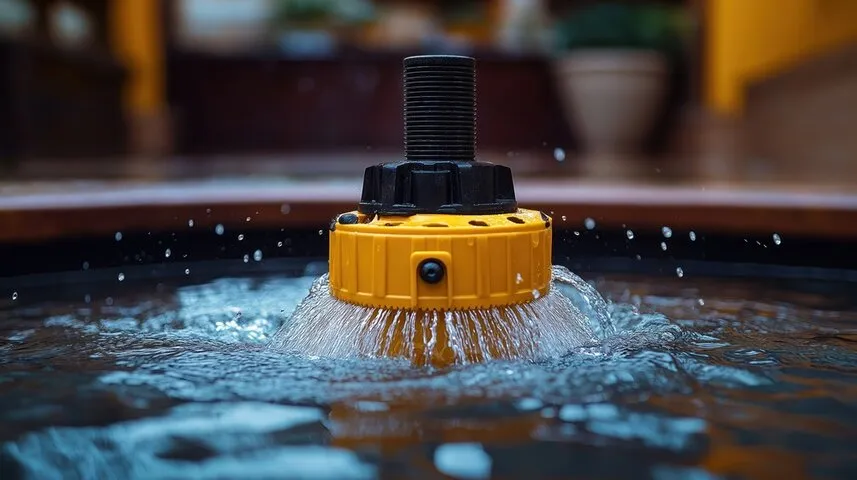
Why Sump Pumps matter for Perry Hall homes
Perry Hall’s weather patterns and soil conditions can lead to high groundwater levels during spring thaw and after heavy storms. Surface runoff from compacted yards or clogged gutters often finds its way to basements. A correctly specified and installed sump pump system reduces the risk of water intrusion, mold growth, and structural issues. Battery backup systems are particularly important here because storms that produce heavy rain often also cause power outages.
Common sump pump services and system types
- Sump pump installation: New sump pit preparation, correct pump selection, discharge piping, and check valve installation.
- Replacement and upgrades: Replacing an old or undersized pump, upgrading float switches, and adding or replacing check valves.
- Battery backup systems: Standby battery backups or automatic backup pumps to keep water moving during power failures.
- Troubleshooting and emergency repairs: Diagnosing failures, replacing failed motors or switches, and addressing clogged intakes.
- Maintenance and testing plans: Regular inspections, pit cleaning, float testing, and battery checks to prevent failures.
- Flood-prevention strategies: Surface drainage improvements, gutter/downspout management, interior sealants, and drainage tile considerations.
- Emergency response: Short-term measures during heavy rain or active flooding including temporary pumps and safe dewatering steps.
Diagnosing a sump pump problem — what to expect
A professional inspection typically includes:
- Visual inspection of the sump pit, pump condition, and piping
- Testing the float switch through manual actuation
- Running the pump to confirm flow rate and discharge performance
- Checking the check valve for backward flow
- Electrical inspection: outlet, breaker, and wiring condition
- Battery health and charger operation for backup systems
- Pit cleaning to remove debris, silt, and mineral buildup
Common diagnostic findings in Perry Hall homes include clogged pits from silt and leaves, failed float switches from sticking, corroded check valves, burned-out motors after long continuous runs during storms, and dead backup batteries after years without replacement.
Repair and solution options explained
- Pump replacement: When motors fail, bearings are noisy, or pumps run continuously, replacement with a correctly sized pump is often the best long-term solution.
- Float and switch repairs: Replacing or repositioning float switches can restore reliable on/off control.
- Check valve replacement: A functioning check valve prevents pumped water from returning to the pit and reduces cycling.
- Battery backup installation: Battery backups provide several hours of operation during outages. Options include standalone battery-powered pumps or battery backup systems paired with the primary pump.
- Upgrading to submersible pumps: Submersible pumps sit in the pit and are quieter and more efficient than pedestal pumps for many basement setups.
- Discharge improvements: Ensuring discharge lines are properly sloped, use the correct diameter, and terminate away from the foundation reduces reentry risks.
Pump sizing guidance for Perry Hall homes
Pump sizing balances horsepower, flow rate, and head height. General guidance:
- Many typical single-family basements in Perry Hall are well served by 1/3 HP to 1/2 HP pumps for normal groundwater and runoff scenarios.
- Homes with larger basements, high groundwater, or long discharge runs with elevation changes may require 3/4 HP or higher and higher capacity pumps.
- Calculate expected flow needs by considering the area draining to the pit, expected worst-case inflow during storms, and vertical lift to the discharge point.
- Larger discharge pipe diameters and properly rated check valves improve reliability and reduce wear from excessive cycling.
A qualified assessment that measures pit depth, lift height, expected inflow, and electrical conditions will produce the right specification for reliable performance.
Maintenance and testing plans
Regular maintenance prevents failures at the worst times:
- Inspect and clean the sump pit and pump inlet at least once per year; more often if the yard produces a lot of debris.
- Test the pump by pouring water into the pit and confirming reliable startup and discharge.
- Inspect and replace worn float switches and check valves as needed.
- For battery backups: inspect battery terminals, test under load, and replace batteries per manufacturer recommendations (typically every 3 to 5 years depending on use).
- Confirm electrical connections, dedicated circuit condition, and that the pump is on a properly grounded outlet.
- Consider a seasonal inspection plan that includes pre-storm checks in spring and fall when storms are more likely.
Flood-prevention strategies beyond the sump pump
Sump pumps are most effective paired with other measures:
- Keep gutters clean and extend downspouts to drain at least several feet from the foundation.
- Ensure yard grading slopes away from the house to reduce surface runoff toward the foundation.
- Install or maintain French drains or exterior perimeter drains if surface drainage remains a problem.
- Seal foundation cracks and install interior sealants where minor seepage occurs.
- Consider a secondary backup pump or an automatic notification system that alerts you if the primary and backup systems run.
Emergency response during heavy rain or basement flooding
- If heavy rain is forecast, check that downspouts and gutters are clear and discharge away from the home.
- Verify the pump is running and the battery backup is charged before storms arrive.
- For active flooding, safely reduce water level using a portable pump to a safe threshold, avoiding hazardous electrical exposure.
- If basement flooding occurs with electrical hazards present, prioritize safety and leave live power-related work to professionals.
Benefits of well-designed sump pump systems in Perry Hall include lower risk of mold, fewer foundation repairs, reduced property loss after storms, and improved resale confidence for homes in the area.
Q: How often should a sump pump be serviced in Perry Hall, MD?
A: Service annually as a minimum, with additional pre-storm checks; busy systems that operate often may need semiannual inspection and more frequent battery checks.
Q: Do I need a battery backup for my sump pump in Perry Hall?
A: Battery backups are strongly recommended due to seasonal storms that can cause power outages; they keep pumps working when mains power is lost.
Q: What type of pump is best for basements with high groundwater?
A: Submersible pumps with higher horsepower ratings are often best for high groundwater or large inflows, but a professional sizing assessment ensures the correct choice.
Q: Can a sump pump prevent all basement water problems?
A: A sump pump significantly reduces flood risk but works best alongside good grading, clear gutters, and proper exterior drainage to prevent excessive inflow.

Service areas
