



Sump Pumps in Pasadena, MD
Hiring Tario HVAC for professional sump pump installation, replacement, and maintenance in Pasadena, MD protects basements and crawl spaces from flooding, prevents mold, and preserves your home's value. With low-lying neighborhoods near the Patapsco River and Chesapeake Bay, reliable sump pump systems are essential. We'll explain how sump pumps work, discuss common failure signs, battery backup options, and recommended system capacities, along with installation requirements, seasonal maintenance plans, and practical flood prevention strategies tailored to local conditions.
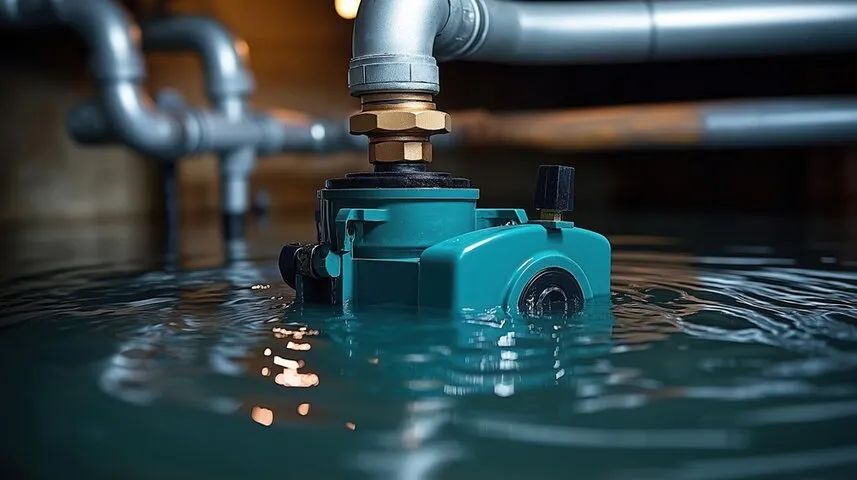
Why a Sump Pump matters in Pasadena, MD
Pasadena sees heavy summer rains, occasional tropical storm remnants, and tidal effects that raise groundwater levels. Many homes here have basements or lower-level living spaces that are vulnerable when drainage and grading cannot keep up. A properly sized, professionally installed sump pump:
- Keeps groundwater out of your basement and crawl space
- Reduces mold, wood rot, and foundation damage
- Protects belongings and HVAC/electrical equipment
- Provides peace of mind during power outages when paired with a backup
Common sump pump issues in Pasadena homes
Homeowners typically call for service when experiencing:
- Standing water in basement after heavy rain or tidal surge
- Intermittent or continuous motor running indicating poor drainage or float problems
- Grinding, rattling, or failure to start, often from motor wear or seized bearings
- Frequent cycling due to a small sump pit or poor float placement
- Clogged discharge pipes from debris or freeze damage in winter
- No operation during power outage because no backup is present
How sump pumps work - in plain terms
Most residential systems include:
- A sump basin (pit) that collects groundwater
- The pump (submersible or pedestal) that pushes water out
- A float switch or electronic sensor that turns the pump on and off
- Discharge piping that carries water away from the foundation
- A check valve to prevent water from flowing back into the pit
When the water level reaches the float, the pump activates and moves water through the discharge line to a safe location above the highest expected water level.
Installation, replacement, and inspection process
Professional service generally follows these steps:
- Site evaluation - check basement layout, foundation grade, existing drainage, and distance for discharge
- Sump pit sizing - select appropriate basin diameter and depth for local groundwater conditions
- Pump selection - size the pump based on expected inflow rates and vertical lift (head)
- Basin installation and backfill - install pit with gravel and level for reliable float operation
- Discharge routing - route piping above grade to a storm drain, slope, or safe daylight discharge point
- Check valve and air gap - install anti-backflow devices and secure joints
- Electrical hookup - install GFCI-protected dedicated outlet with correct amperage
- System testing - cycle the pump, inspect for leaks, and verify auto-start and float range
During replacement, technicians will confirm basin condition, upgrade piping and valves if corroded, and recommend backups if none exist.
Battery backup and redundancy options
Power outages are common during coastal storms. Backup options include:
- Battery backup systems - 12V or 24V sealed deep cycle batteries with dedicated pump. They provide hours of runtime depending on battery amp-hour rating and pumping demand.
- Dual pump systems - primary electric submersible pump plus a secondary battery or water-powered pump for redundancy.
- Generator power - home backup generator can power the primary pump, but requires correct transfer switch and sufficient capacity.
- Smart monitoring - alarms and remote alerts that notify you of high water or pump failure.
For Pasadena, a battery backup or dual-pump setup is strongly recommended due to storm-related outages and potential prolonged high groundwater events.
Recommended pump types and capacities
Select a pump based on pit size, basement area, and expected inflow:
- Small basements or light groundwater: submersible 1/3 HP pump, capable of 40 to 60 GPM at low head
- Typical single-family homes with moderate inflow: 1/2 HP submersible, capable of 60 to 90 GPM at 5 to 10 feet of head
- Very high inflow conditions, shallow pit, or commercial applications: 3/4 HP and above, or duplex systems for continuous heavy flow
- Solids handling: choose pumps rated for 1/2 inch to 1 inch solids if debris or sediment is expected
- Materials: cast iron housings and stainless fasteners extend service life in wet, corrosive soils
Sizing should be confirmed by on-site measurement of expected head (vertical lift) and inflow rates. Overbuying capacity can cause short cycling if pit size and switch are not matched.
Installation requirements and code considerations
Key requirements for a safe, reliable system:
- GFCI-protected dedicated electrical circuit near the sump location
- Properly sized sump basin (typical residential 18 to 24 inch diameter, 24 to 30 inch depth)
- Discharge outlet routed to a safe drainage point above the flood elevation and away from foundation
- Check valve on discharge line to prevent re-entry into the pit
- Compliance with local plumbing and stormwater codes - check Anne Arundel County or local jurisdiction rules for discharge limits and permit needs
Technicians should confirm discharge does not violate neighborhood stormwater regulations or contribute to downstream flooding.
Seasonal maintenance plans for Pasadena homeowners
A seasonal maintenance plan prevents failures when you need your system most:
- Spring inspection after winter: clean pit, vacuum debris, inspect check valve, and test pump function
- Pre-storm or early fall check: verify battery backup charge, replace old batteries, exercise pumps and alarms
- Twice-yearly service visits recommended for homes in flood-prone areas
- Replace batteries every 3 to 5 years depending on use and battery type
- Keep discharge outlets clear of ice, leaves, and debris; extend downspouts at least several feet from the foundation
Documented service logs and routine testing provide evidence of maintenance and can reduce long-term repair costs.
Flood prevention strategies beyond the pump
A sump pump is one line of defense. Combine it with:
- Proper grading away from the foundation and maintained gutters/downspouts
- French drains or perimeter drains to reduce inflow into the sump basin
- Backflow preventers for sewer backup scenarios
- Sealed foundation cracks and vapor barriers to reduce moisture intrusion
- Secondary sump or pump alarm systems to alert before major flooding occurs
In Pasadena neighborhoods prone to tidal flooding, combining mechanical drainage with landscape and grading improvements offers the best protection.
FAQs
Q: How do I know what sump pump size I need for my Pasadena home?
A: On-site evaluation is required to measure expected vertical lift, basin inflow, and basement area. A typical single-family home uses a 1/2 HP submersible for reliable performance, but higher inflow sites may need 3/4 HP or duplex systems.
Q: Should I install a battery backup?
A: Yes. Because storms that cause flooding often cause power outages in our area, a battery backup or dual-pump setup is strongly recommended.
Q: How often should I service my sump pump?
A: Inspect and test twice a year, ideally spring and fall. Batteries should be tested monthly and replaced every 3 to 5 years.
Q: Where should the discharge pipe end?
A: Discharge should be routed to daylight or a storm drain well away from the foundation and at an elevation that prevents water from flowing back. Confirm local codes for acceptable locations.

Service areas
