

Sump Pumps in Gaithersburg, MD
A properly installed and maintained sump pump is one of the most effective defenses against basement flooding in Gaithersburg, MD. With the region’s spring storms, periodic heavy rainfall, and neighborhoods near creeks and low-lying terrain, homes here face a higher risk of water intrusion. Tario HVAC is here to provide the reliable sump pumps and backup systems you need.
Why Gaithersburg homes need reliable Sump Pumps
- Seasonal heavy rains and occasional flash storms increase basement flood risk.
- Higher water table in some neighborhoods and properties near Great Seneca Creek or Rock Creek raises the likelihood of seepage.
- Older homes may have undersized or aging pumps that cannot keep up with intense influx during severe weather.
Common sump pump services and issues
- New sump pump installation for new basins or retrofits to existing systems
- Sump pump replacement when pumps are worn, noisy, or fail to activate
- Battery backup and alarm system installation or upgrades
- Sump pit repair, liner replacement, and float relocation
- Troubleshooting intermittent operation, clogging, motor burnout, and frozen discharge lines
- Integration with whole-house waterproofing systems
Submersible vs pedestal sump pumps
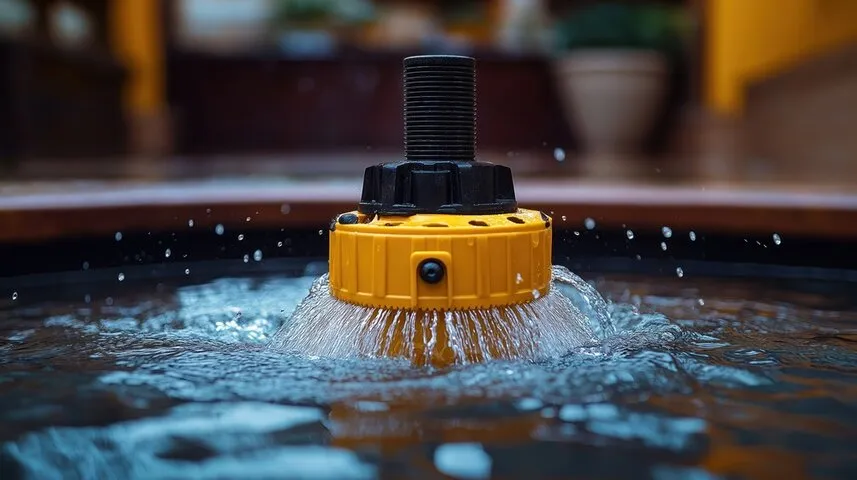
- Submersible pumps: Installed inside the sump pit, motor sealed against moisture. Advantages include quieter operation, better handling of solids, and a more compact profile. They are a common choice in areas with frequent or deep flooding risk.
- Pedestal pumps: Motor mounted above the pit on a pedestal with a long shaft and impeller at the bottom. They are easier to service and often less expensive up front but can be noisier and more exposed to environmental wear.
- Choosing between them depends on pit depth, basement layout, expected water volume, and maintenance preferences. In Gaithersburg homes prone to heavier stormwater inflow, submersible units are often recommended for their durability and performance.
Battery backup and alarm options
- Battery backup pumps: Provide power when the primary pump loses electricity. Essential in storm scenarios when power outages coincide with heavy rains. Systems vary from compact backup pumps that sit alongside the primary unit to integrated battery backup solutions with automatic switchover.
- Generator compatibility: Some homeowners pair the sump pump circuit with a home generator for extended outages.
- High-water and pump-failure alarms: Audible and visual alarms, plus remote notification options, alert homeowners before significant water buildup occurs.
- Smart monitoring: Wi Fi-enabled sensors and alarm systems can send alerts to mobile devices for real-time status, which is valuable for homeowners who travel frequently or manage rental properties in Gaithersburg.
Testing and maintenance plans
- Recommended inspection frequency: Visual checks monthly, and a full functional test seasonally or before the rainy season.
- Routine maintenance tasks:
- Test the pump by pouring water into the pit to confirm activation and proper discharge.
- Inspect and clear intake screens and check valve for clogs or debris.
- Verify discharge line routing and ensure it drains away from the foundation.
- Test battery backup and replace batteries according to manufacturer guidance.
- Lubricate moving parts if applicable and check seals for deterioration.
- Annual professional inspections: A technician can measure pump performance, test amperage draw, check float operation, and evaluate pit condition to preempt failures.
Signs of sump pump failure and emergency response
- Common warning signs:
- Continuous cycling or frequent on/off cycles
- Loud grinding, rattling, or clunking noises
- Pump runs but water level does not drop
- Visible corrosion, leaks, or a stuck float
- Persistent dampness or musty odors in the basement
- Emergency response steps:
- If safe, keep the pump area dry and remove any visible debris from the pit.
- Test the pump to determine if it is operating; check the breaker and power supply.
- Engage battery backup if power is out and a backup is installed.
- If the pump is not functioning and water is rising rapidly, prioritize safety: avoid standing in water near electrical outlets or appliances and shut off power to affected circuits at the main panel if necessary.
- Arrange expedited inspection and repair to minimize water damage, mold growth, and structural risks.
Basement waterproofing strategies
- Exterior measures:
- Grading and downspout extensions to divert roof runoff away from the foundation
- Exterior excavation and waterproof membrane application for severe seepage issues
- Interior measures:
- Interior perimeter drainage systems (French drain) tied to a sump basin
- Properly sized sump pits with durable liners
- Concrete crack repair and epoxy injections for specific leak points
- Vapor barriers and wall sealants for additional moisture control
- Combined approach: In many Gaithersburg homes, a combination of exterior grading, interior drainage, and a reliable sump system provides the most resilient protection against seasonal and storm-related water intrusion.
Cost estimate considerations
- No one-size-fits-all price applies; cost is influenced by factors including:
- Type and capacity of pump chosen (submersible vs pedestal)
- Need for a battery backup or alarm system
- Condition and depth of the existing sump pit
- Complexity of discharge line routing or exterior excavation
- Integration with broader waterproofing measures like French drains or foundation repairs
- Accessibility of the installation site and local permitting requirements
- Understanding these variables helps plan for the right system for your property and prevents under sizing or overinvesting in unnecessary features.
Warranty and equipment protection
- Typical warranty coverage includes a manufacturer warranty for the pump motor and parts and sometimes a separate limited warranty for backup batteries or control panels.
- Verify what is covered: parts only, parts plus labor, and whether warranties are transferable to new homeowners.
- Regular maintenance often preserves warranty validity, so keep records of inspections and service.
Scheduling inspections and installations in Gaithersburg
- Best timing: Schedule inspections or installations before the spring rainy season and ahead of forecasted stormy periods. Fall inspections can also catch issues before freeze-thaw cycles that may affect discharge lines.
- Frequency: Annual professional inspections paired with seasonal homeowner checks reduce the chance of unexpected failures during major storms.
- Inspection checklist highlights:
- Pump activation and run time under load
- Condition and slope of discharge piping
- Operation of backup and alarm systems
- Pit integrity and float movement
- Any signs of previous flooding or foundation seepage
Q: How often should I test my sump pump?
A: Test it monthly by pouring water into the sump pit to ensure the float triggers the pump and the discharge clears water away from the foundation. Perform a more comprehensive check seasonally and schedule an annual professional inspection.
Q: Should I choose a submersible or pedestal pump for my Gaithersburg basement?
A: Choose a submersible pump if you expect frequent or heavy inflow and want quieter, more durable operation. A pedestal pump may be preferable if easier servicing is a priority and your water volume is low to moderate.
Q: Is battery backup necessary?
A: Battery backup is highly recommended in Gaithersburg because storms that bring heavy rain often cause power outages. Backup systems protect against simultaneous power loss and heavy inflow.
Q: What are the signs my sump pump needs replacing?
A: Signs include continuous cycling, loud or unusual noises, failure to remove water, visible corrosion, frequent tripping of breakers, or persistent basement dampness despite pump operation.
Q: Can sump pumps prevent all basement water problems?
A: Sump pumps manage groundwater and interior water intrusion but work best with complementary measures like proper grading, downspout extensions, and targeted foundation repairs for the most comprehensive protection.
Q: How should I prepare for an installation or inspection?
A: Clear access to the sump area, note any recent basement water events, and gather information on the existing pump model and age so the inspection or installation can proceed efficiently.

Service areas