

Whole House Dehumidifiers in Perry Hall, MD
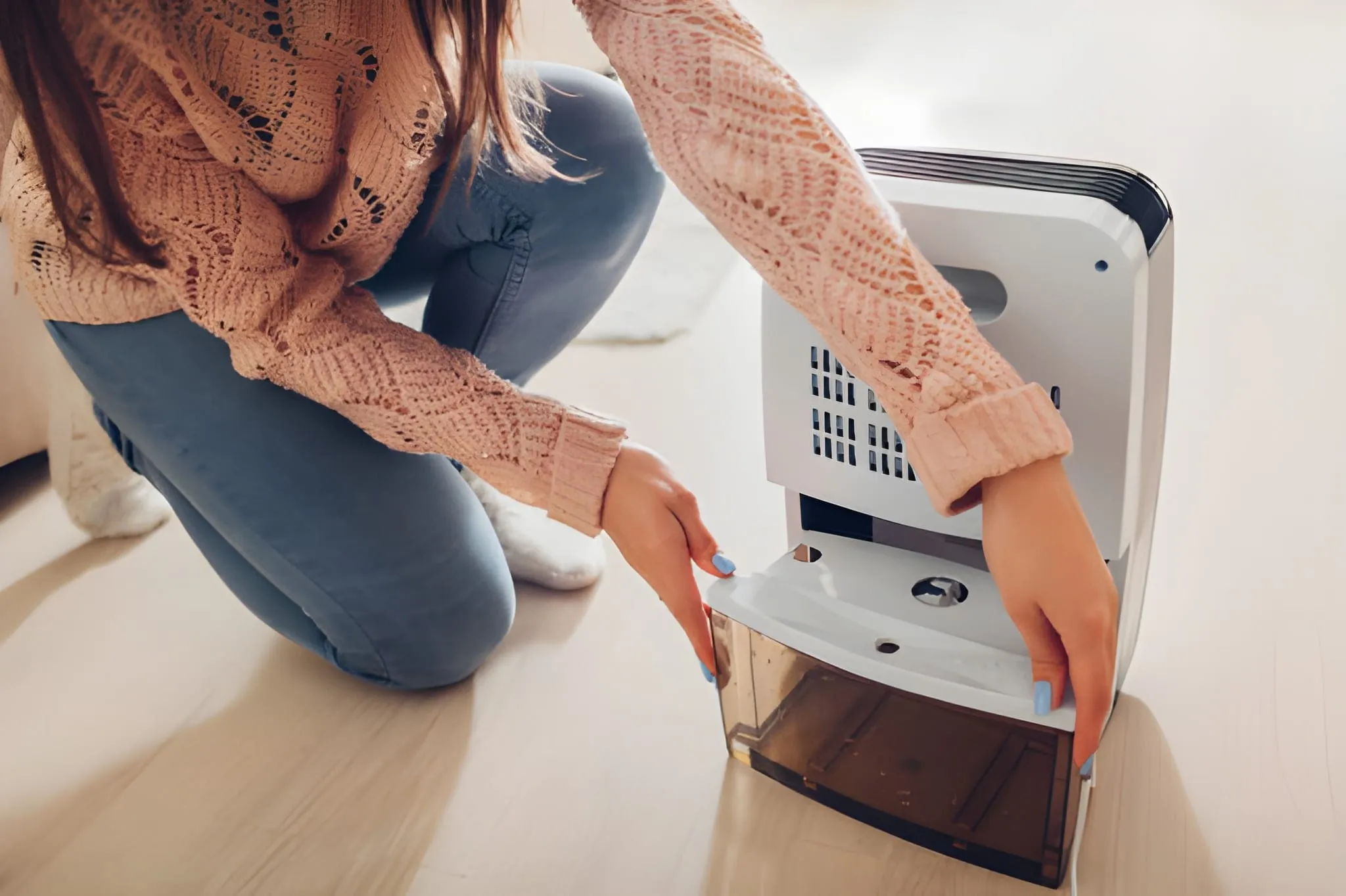
Whole-house dehumidifiers in Perry Hall, MD provide continuous humidity control by integrating with your HVAC system. Tario HVAC ensures proper sizing and configuration to reduce moisture, mold risk, musty odors, and wood damage, all while significantly improving comfort and energy efficiency. Your options include ducted inline, air-handler-mounted, split, and basement units, and we pay careful attention to details like duct sealing, drainage, electrical hookups, and control wiring during installation. A professional moisture-load assessment helps us guide the installation process, followed by commissioning. Regular maintenance preserves performance, delivering stable humidity and healthier, more comfortable living spaces year-round.
Whole House Dehumidifiers in Perry Hall, MD
Keeping indoor humidity under control is one of the most effective steps you can take to protect your home and improve comfort in Perry Hall, MD. With hot, humid summers, seasonal storms, and older homes that often have limited basement ventilation, many local homes develop persistent moisture problems. A properly sized whole house dehumidifier integrated with your HVAC system addresses those issues continuously and efficiently, reducing mold risk, protecting wood and finishes, and making conditioned air feel more comfortable without overcooling.
Why whole house dehumidification matters in Perry Hall
Perry Hall homes experience higher indoor moisture loads during warm months and after heavy rain events. Basements and lower levels can stay damp because of soil moisture and limited air circulation. Left unchecked, excess relative humidity encourages:
- Mold and mildew growth on walls, drywall, and insulation
- Musty odors and increased dust mite activity
- Warping and cupping of hardwood floors and cabinets
- Reduced perceived comfort and increased reliance on air conditioning
A whole house dehumidifier works continuously with your existing HVAC to maintain target humidity levels throughout the living space, not just in a single room.
System options and how they connect to your HVAC
Whole house dehumidifiers come in several configurations. Choosing the right type depends on your ductwork, available space, and moisture load.
Common system types:
- Ducted inline dehumidifiers: Installed in the return or supply plenum of the air handler. They draw house air through the unit and return conditioned, drier air to the ducts.
- Air handler-mounted dehumidifiers: Designed to sit next to or above the furnace or air handler and work in combination with the HVAC blower.
- Split systems: Separate indoor and outdoor components similar to a heat pump setup; useful where space or noise is a concern.
- Basement/crawlspace-specific units: For homes where moisture is concentrated below grade, these provide high-capacity dehumidification and can be ducted to the rest of the house.
Typical connections and requirements:
- Duct integration: Connections to the return or supply plenum require careful sealing and minimal pressure drop to avoid HVAC efficiency loss.
- Drainage: Condensate usually drains into the HVAC condensate line or to a floor drain. For basements without gravity drainage, a condensate pump is installed.
- Electrical: Most units need a dedicated 120V or 240V circuit and a connection to the HVAC control system or a humidistat.
- Controls: Standalone humidistats, integrated thermostat communication, or smart controls allow precise setpoint management.
Sizing and capacity selection for Perry Hall homes
Correct sizing is essential. Whole house systems are rated by moisture removal capacity, commonly expressed in pints per day. The right capacity depends on:
- Home square footage and number of levels
- Baseline air leakage and insulation quality
- Presence of high-moisture areas (unfinished basements, crawlspaces, attics)
- Local climate patterns and seasonal humidity peaks
Typical capacity ranges:
- Smaller, tight 1,000 to 1,500 square foot homes: lower-capacity units
- Average single-family homes: mid-capacity units in the 50 to 90 pints per day range
- Large homes or properties with damp basements: higher-capacity units from 90 to 135+ pints per day
An on-site moisture load assessment produces the most accurate recommendation. This includes measuring existing humidity levels, inspecting problem areas, and estimating infiltration and internal moisture sources.
Installation process in practical terms
Installation follows a clear, predictable sequence to minimize disruption and ensure continued HVAC performance.
Typical installation steps:
- Assessment and measurement: Inspect ducts, locate suitable mounting space, and measure current humidity and airflow.
- Equipment selection: Choose capacity and model based on calculated moisture load and mechanical compatibility.
- Mounting and duct work: Secure the unit to the air handler, return plenum, or in-line location with proper sealing.
- Electrical and control wiring: Install required circuits and integrate humidistat or thermostat communication.
- Drain and condensate setup: Connect to existing drain lines or install a condensate pump where needed.
- Commissioning and testing: Verify airflow, humidity setpoints, and drainage. Run the system through cycles to confirm operation.
- Owner orientation: Demonstrate control settings, maintenance items, and expected performance.
Installation in Perry Hall often requires attention to basements and crawlspaces and planning for seasonal weather patterns.
Maintenance and filter care
Routine maintenance preserves performance and prevents service issues.
Maintenance tasks and frequency:
- Check and clean or replace prefilters: Every 3 to 12 months depending on indoor air quality. Cleanable screens should be rinsed and dried.
- Inspect coils and condensate lines: Annually. Blocked drains or algae can cause backups.
- Confirm humidistat calibration and setpoints: Annually or after seasonal adjustments.
- Clear condensate trap or pump: Test pump operation if installed.
- Professional service: Annual inspection for refrigerant levels, electrical connections, and airflow balance.
Keeping filters and drains clean extends unit life and maintains energy efficiency.
Energy use considerations
Modern whole house dehumidifiers are designed to be energy efficient and can reduce overall cooling costs by allowing thermostats to be set a few degrees higher while maintaining comfort. Key points:
- Running a single whole house unit is generally more efficient than operating multiple portable units.
- Look for models with variable-speed fans and energy-saving modes.
- Proper sizing avoids cycling losses and reduces runtime.
A correctly integrated dehumidifier can reduce air conditioning load in humid months by lowering latent cooling requirements.
Expected outcomes and benefits for Perry Hall homes
When installed and sized properly, homeowners in Perry Hall can expect:
- Stable indoor relative humidity in the recommended range of about 40 to 50 percent, reducing mold and mildew risk
- Reduced musty odors, fewer allergy triggers, and improved indoor air quality
- Better preservation of wood floors, trim, and furniture
- Improved comfort with less dependence on aggressive cooling settings
- More uniform humidity control throughout living spaces, including basements
Common whole house dehumidifier issues in Perry Hall include clogged drains from seasonal debris, undersized systems for basement-heavy moisture loads, and poor duct sealing. These are preventable with a proper assessment, correct installation, and routine maintenance.

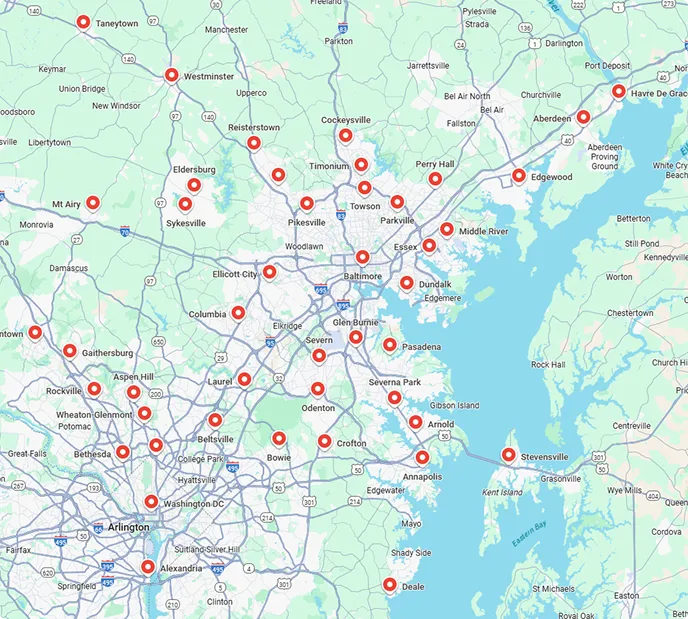
Service areas