



Whole House Dehumidifiers in Dundalk, MD
Whole house dehumidifiers in Dundalk, MD, offer centralized humidity control that protects homes from mold, musty odors, and moisture-related damage while easing air conditioning loads. Proper sizing by a professional, like Tario HVAC, considers home size, moisture sources, and local climate, with typical capacities ranging from 50 to 130 pints per day. Integrating the unit with your HVAC system ensures even humidity distribution, and our professional installation addresses condensate management and electrical connections. Regular maintenance and appropriate humidity targets (40-50%) will maximize comfort, energy efficiency, and indoor air quality year-round.
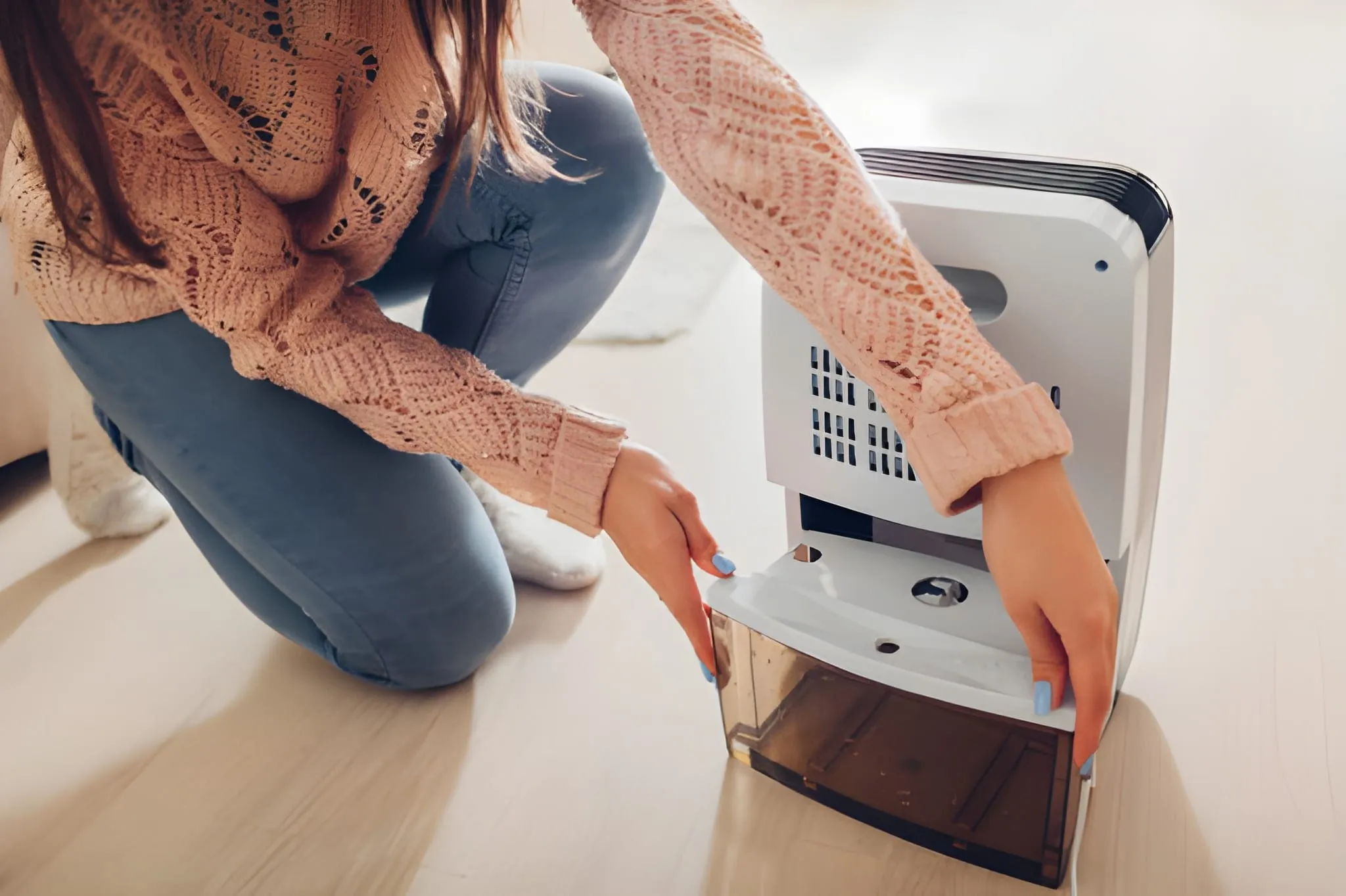
Whole House Dehumidifiers in Dundalk, MD
High humidity is a year-round concern in Dundalk, MD. Proximity to the Chesapeake Bay, hot humid summers, and homes with basements or crawl spaces make indoor moisture a frequent problem. A properly selected and installed whole house dehumidifier protects your home from mold and musty odors, improves comfort, and reduces strain on your air conditioning system. This page explains when to install a whole-home unit, how sizing and integration with HVAC ductwork work, energy and control considerations, maintenance needs, condensate management, and the health and structural benefits you can expect in Dundalk homes.
Why a whole house dehumidifier makes sense in Dundalk, MD
Homes in Dundalk commonly face:
- High summer dew points that drive persistent indoor humidity.
- Damp basements or crawlspaces after heavy rains or high bay-level groundwater.
- Mold growth, peeling paint, and musty smells in older, less ventilated homes.
A whole house dehumidifier treats the entire conditioned space through the HVAC system, keeping relative humidity at healthy levels across living areas and basements. This is more effective and convenient than using multiple portable units, especially for addressing latent moisture load from humid outdoor air and indoor sources like showers, laundry, and cooking.
Common whole-house dehumidifier issues in Dundalk, MD
Understanding typical problems helps you avoid them:
- Improper sizing causing underperformance or short cycling.
- Poor integration with ductwork leading to uneven humidity control.
- Clogged condensate drains or insufficient drainage planning in homes with high water tables.
- Incorrect humidistat placement that gives false readings.
- Neglected maintenance that reduces extraction capacity and efficiency.
Capacity sizing: how much dehumidification your home needs
Sizing a whole house dehumidifier is about matching extraction capacity to your home size and moisture load, not just square footage. Key factors:
- Home size and ceiling height.
- Number of occupants and daily activities that generate moisture.
- Basement or crawlspace presence and condition.
- Local climate conditions in Dundalk, including summer humidity and rainy seasons.
Typical whole house units offer extraction capacities from about 50 to 130 pints per day. As a general guide:
- Small homes or low-moisture situations: 50 to 70 pints/day.
- Medium homes or moderate moisture loads: 70 to 100 pints/day.
- Large homes, basements, or high-moisture situations: 100+ pints/day.
A site assessment that measures current indoor humidity and evaluates moisture sources is essential to select the right capacity and avoid oversizing or undersizing.
Integration with HVAC ductwork and placement
Whole house dehumidifiers are commonly integrated with the central HVAC system to distribute conditioned, drier air throughout the home. Typical options:
- Installed in the return air plenum or duct, treating air before it reaches the air handler.
- Installed in the supply plenum in some configurations when manufacturer guidance supports that placement.
Integration considerations:
- Ensure airflow compatibility with your furnace or air handler to prevent pressure or airflow imbalances.
- Locate the humidistat where it reads representative air for the home, not near exterior doors, windows, or the supply airflow.
- Confirm electrical requirements and control wiring for the dehumidifier to communicate with the HVAC system.
Proper integration reduces humidity evenly and can improve overall comfort without significantly changing existing ductwork layout.
Installation steps and what to expect
A typical whole house dehumidifier installation follows these steps:
- Home assessment and humidity measurements to determine capacity and placement.
- Selection of unit and accessories such as condensate pump if gravity drain is not available.
- Placement and mechanical integration into the return or supply plenum with sealed duct connections.
- Electrical connection to a dedicated circuit per manufacturer requirements.
- Condensate drain connection to a gravity line, floor drain, or condensate pump routed to an appropriate disposal point.
- Control wiring and humidistat installation in a representative location.
- System startup and commissioning, including performance checks and adjustments.
For Dundalk homes with basements or frequent heavy rain, planning the condensate path carefully is especially important to avoid water backup.
Energy use and efficiency considerations
Whole house dehumidifiers add electrical load, but they can reduce overall HVAC energy use by removing latent load so the air conditioner does not work as hard to maintain comfort. Efficiency features to look for:
- Energy-efficient compressors and variable speed operation.
- Integrated controls that run the unit only as needed based on measured humidity.
- Units sized correctly to avoid excessive run times or short cycling.
Properly integrated dehumidification often results in better comfort at higher thermostat settings, which can reduce cooling energy in the summer months common to Dundalk.
Controls and humidistat operation
Modern whole house units use a humidistat that measures relative humidity and controls operation. Best practices:
- Set relative humidity to a target range of about 40 to 50 percent for comfort and mold prevention. Avoid setting below 35 percent to prevent over-drying.
- Place the humidistat in a central living area, away from direct airflow, kitchens, bathrooms, doors, and windows.
- Use programmable or smart controls available on many units to manage schedules or integrate with home automation systems.
Controls that clearly display setpoint, current RH, and runtime help homeowners monitor performance and energy use.
Maintenance and condensate management
Routine maintenance keeps performance optimal:
- Change or clean the dehumidifier filter per manufacturer guidance, typically every 3 months.
- Inspect and clean coils annually to maintain extraction efficiency.
- Check condensate drains for clogs and ensure the trap and slope are correct.
- If a condensate pump is used, test pump operation and clean the reservoir periodically.
- Schedule an annual inspection to verify electrical connections, refrigerant charge if applicable, and overall system health.
For Dundalk homes near the bay or with brick foundations, condensate routing should avoid discharging near the foundation. Consider routing to a sanitary line or roof drain per local codes.
Health and structural benefits specific to Dundalk homes
Whole house dehumidification provides clear benefits in Dundalk:
- Reduced mold and dust mite activity, improving indoor air quality and allergy symptoms.
- Protection for wood floors, trim, and structural framing from moisture-related deterioration.
- Less musty odor in basements and enclosed spaces after rainy periods.
- Less air conditioner runtime and more consistent comfort during humid months.
Consistent humidity control is especially valuable in coastal Maryland where seasonal humidity spikes are common and basements can trap moisture.
Selecting the right whole house dehumidifier for a Dundalk home begins with a moisture assessment and correct sizing. Proper integration with HVAC ductwork, professional installation of condensate management, and routine maintenance ensure reliable performance and longevity. By keeping indoor relative humidity in the recommended 40 to 50 percent range, you protect your home, reduce mold risk, and enjoy greater comfort throughout the year.

Service areas
