

Ventilation in Germantown, MD
Whole-home ventilation in Germantown, MD, involves understanding exhaust, supply, and balanced approaches, along with the crucial roles of HRV and ERV systems. Tario HVAC helps homeowners with everything from sizing and installation to energy recovery, maintenance, and ensuring code compliance, following guidelines like ASHRAE 62.2 and local regulations. We'll guide you in selecting the right strategy based on your home's airtightness, humidity levels, and pollutant sources. A balanced ERV system with targeted exhausts can significantly optimize comfort, indoor air quality, and energy efficiency in Germantown homes. Trust in professional design and ongoing maintenance for lasting performance.
Ventilation in Germantown, MD
Proper whole-home ventilation is one of the most important upgrades you can make for comfort, health, and building durability in Germantown, MD. Modern, energy-efficient homes are built tighter to save on heating and cooling, but that means stale air, moisture, and indoor pollutants can accumulate unless you add a controlled ventilation system. This page explains the differences between exhaust, supply, and balanced ventilation and the role of HRV and ERV systems; how systems are sized and installed; energy recovery and efficiency considerations; maintenance and code compliance; and how to choose the right approach for homes in Germantown.
Common ventilation challenges in Germantown, MD homes
- High summer humidity that leads to condensation, mold, and musty odors.
- Cold winter conditions that make opening windows impractical, increasing pollutant buildup.
- Seasonal pollen and outdoor allergens that affect indoor air quality.
- Tight new construction or retrofitted air sealing that reduces natural infiltration.
- Areas prone to moisture in basements and crawl spaces where ventilation gaps can drive mold growth.
Types of whole-home ventilation and how they differ
Understanding the basic approaches helps you choose a solution that matches your home and health priorities.
- Exhaust ventilation
- Uses mechanical fans to remove indoor air, creating negative pressure that draws outdoor air in through controlled or uncontrolled leaks.
- Simple and low cost; effective at removing moisture and combustion byproducts when properly designed.
- Can draw in unconditioned air and outdoor pollutants if intake paths are uncontrolled.
- Supply ventilation
- Delivers filtered outdoor air into the home with a fan, creating slight positive pressure that forces stale air out through leaks and exhaust points.
- Good control of intake location and filtration; may increase cooling load in summer if unconditioned air is introduced.
- Useful where outdoor air quality is generally good and controlled intake is desired.
- Balanced ventilation
- Uses dedicated fans to bring in and exhaust the same amount of air; no net pressure change.
- Best option for tight homes because it provides controlled fresh air without pressurization issues.
- Typically implemented with energy recovery equipment for efficiency.
- HRV (Heat Recovery Ventilator)
- Transfers sensible heat between outgoing and incoming air. Best in cold or dry climates where heat recovery is the priority.
- ERV (Energy Recovery Ventilator)
- Transfers both heat and a portion of moisture between streams. In humid climates like Germantown, ERVs can reduce excess indoor humidity load while recovering energy.
Benefits for indoor air quality and moisture control
- Reduces indoor concentrations of VOCs, cooking byproducts, and odors.
- Controls humidity to limit mold, rot, and dust mite growth.
- Improves occupant comfort and can reduce allergy and asthma triggers by managing pollen and particulates when combined with filtration.
- When paired with HRV/ERV, lowers energy penalty of ventilation by transferring heat and/or moisture.
How systems are sized and designed for specific homes
Sizing and design are based on building size, occupancy, airtightness, and pollutant sources. Industry guidelines such as ASHRAE 62.2 and local building codes set required continuous ventilation rates based on floor area and number of bedrooms or occupants. A proper design process includes:
- Evaluating home layout, existing HVAC distribution, and common pollutant sources (kitchen, bathrooms, attached garages).
- Performing or using airtightness data where available; tighter homes need more mechanical ventilation.
- Selecting ventilation rates that meet code and occupant needs, and choosing intake/exhaust locations to avoid short-circuiting and to reduce entry of outdoor pollutants.
- Coordinating with heating and cooling equipment so ventilation air is tempered or distributed efficiently.
Installation, ductwork, and controls
- Balanced systems typically require a dedicated duct network or connection to the HVAC return/supply with properly sized inlets and exhausts.
- Placement of intake and exhaust vents matters: intakes should be away from pollutant sources, exhausts located at bathrooms and kitchens as appropriate, and outdoor intakes positioned to avoid vehicle exhaust or roof exhaust plumes.
- Controls options include continuous low-speed operation, boost modes for high-use periods, timers, humidity sensors, and demand-controlled ventilation that ramps up when indoor humidity or CO2 rises.
- Integration with existing furnaces, air handlers, or HRV/ERV modules must be planned to prevent backdrafting and ensure balanced flows.
Energy recovery and efficiency considerations
- HRV/ERV units recover a large share of the energy in exhausted air, significantly reducing heating and cooling penalties associated with ventilation.
- In Germantown, with humid summers and cold winters, ERVs are often recommended because they help control moisture transfer as well as heat. However, system selection should consider specific indoor humidity patterns and winter frost controls.
- Look for units with high sensible recovery efficiency, low electrical consumption, and smart controls to optimize runtime and minimize energy usage.
Maintenance and long-term performance
- Regular maintenance keeps performance high: change or clean filters every 3-12 months depending on use and filtration level; inspect and clean cores and drain pans annually.
- Check for condensate drainage issues, frost prevention function in winter, and proper fan operation.
- Periodic airflow testing verifies the system meets the intended ventilation rates and remains balanced.
- Well-maintained systems preserve indoor air quality, extend equipment life, and protect your home envelope from moisture-related damage.
Code compliance and safety
- Mechanical ventilation must meet applicable codes and standards, most commonly ASHRAE 62.2 and state/local building codes. New construction or major renovations in Maryland often require mechanical ventilation when the building envelope is tightened.
- Proper combustion appliance venting and backdraft protection must be considered to avoid spillage of combustion gases.
- If radon or other site-specific contaminants are a concern, ventilation strategy should be coordinated with remediation or mitigation systems.
Choosing the right ventilation strategy for Germantown, MD homes
Consider these factors when deciding:
- Home airtightness: tighter homes typically need balanced ventilation with heat or energy recovery.
- Humidity concerns: if summers are humid or you have moisture issues in basements, an ERV is usually advantageous.
- Indoor pollutant sources: high-occupancy homes, pets, or frequent cooking favor higher ventilation rates and good filtration.
- Existing HVAC: integration with the current system may reduce installation complexity and distribution costs.
- Energy goals: HRV/ERV systems recover energy and reduce long-term operating cost compared to unconditioned ventilation.
Typical recommendation for many Germantown homes is a balanced ERV system sized per ASHRAE 62.2, with localized exhaust fans for kitchens and bathrooms, demand controls for humidity, and filtration appropriate to allergy concerns. A professional design that tests airtightness, evaluates local climate impacts, and coordinates with your heating and cooling equipment will ensure the system achieves healthy indoor air quality, controlled humidity, and energy-efficient operation.
Maintaining good ventilation is an investment in health, comfort, and the long-term durability of your home in Germantown. Proper selection, sizing, installation, and maintenance will deliver measurable benefits in indoor air quality and moisture control year-round.

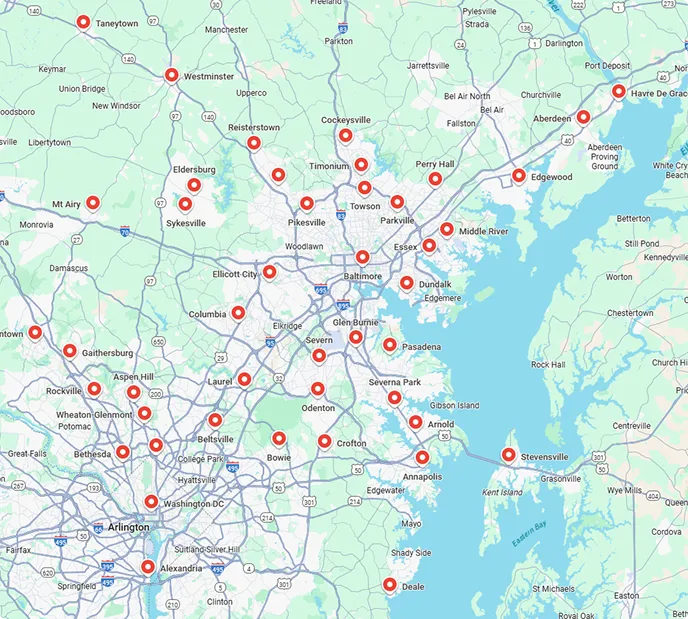
Service areas