

Ventilation in Columbia, MD
Columbia, MD homes truly need a comprehensive whole-home ventilation strategy to effectively improve indoor air quality, manage humidity, and protect their long-term durability. At Tario HVAC, we outline common moisture and odor issues, and clearly compare four key approaches: balanced ERV/HRV, supply-only, and exhaust-only systems, always keeping local climate considerations in mind. Our experts cover vital code considerations, detailed sizing methods using ASHRAE 62.2, and best practices for placement. We also ensure seamless integration with existing ductwork, guide you through installation steps, discuss essential maintenance, and highlight the impressive long-term energy and comfort benefits of properly designed ventilation. We firmly believe in professional assessment and customized sizing to meet the unique needs of Columbia homes.
Ventilation in Columbia, MD
An effective whole-home ventilation strategy is one of the most important improvements you can make for indoor air quality, moisture control, and long-term durability in Columbia, MD homes. With hot, humid summers, cold winters, and frequent seasonal pollen, local homes face a mix of moisture and allergen risks. Whole-home mechanical ventilation systems - properly sized and integrated - remove stale air, dilute pollutants, control humidity, and reduce the likelihood of mold and odor problems that are common here.
Common ventilation problems in Columbia homes
- High indoor humidity and condensation on windows in summer and early fall
- Persistent musty odors or visible mold in basements and bathrooms
- Allergy flare ups from pollen and indoor dust buildup
- Pressure imbalances that draw in outdoor pollutants or back-draft combustion appliances
- Stale air in tightly built or newly renovated homes with limited natural air exchange
Whole-home ventilation types and how they perform locally
Understanding the four basic approaches helps match a solution to your home and Columbia climate.
- Balanced systems (ERV or HRV)
- ERV (Energy Recovery Ventilator): Exchanges heat and some moisture between incoming and outgoing air. In Columbia’s mixed-humid climate, ERVs are often preferred because they reduce the moisture load brought in with ventilation air during summer while still recovering energy in winter.
- HRV (Heat Recovery Ventilator): Transfers sensible heat only. HRVs work well in colder, dry climates but provide less benefit where humidity control is important.
- Benefits: Balanced pressure, controlled fresh air distribution, energy recovery reduces HVAC load.
- Supply-only systems
- Bring fresh outdoor air into the home through a controlled inlet. They pressurize the home, which can reduce infiltration of outdoor pollutants from basements or crawlspaces.
- Simpler and lower cost, but can increase humidity in humid months if not paired with dehumidification.
- Exhaust-only systems
- Remove indoor air from kitchens, bathrooms, and other exhaust points creating negative pressure that draws in outdoor air through leaks.
- Lower initial cost but risk uncontrolled air entry, which can pull in pollutants, pests, or radon if not thoughtfully applied.
Assessment and code considerations in Columbia, MD
- New construction and substantial renovations often trigger local code requirements for mechanical ventilation. Maryland follows energy and residential codes that reference national standards; most jurisdictions expect compliance with ASHRAE 62.2 or the IRC ventilation provisions.
- A proper assessment includes:
- Building envelope tightness and recent air sealing work
- Square footage, number of bedrooms, and occupancy patterns
- Existing HVAC equipment and duct layout
- Baseline indoor humidity and pollutant sources (cooking, combustion appliances, pets)
- Code-driven ventilation must meet specified airflow rates and often requires permits and inspection. Planning for permit paperwork and compliance documentation is part of a professional installation.
System sizing and placement
- Sizing is based on home floor area, occupancy, and pollutant sources. A qualified designer uses ASHRAE 62.2 guidance to determine continuous and intermittent airflow requirements.
- Typical whole-house ventilation rates vary by home size and layout; small single-family homes might need modest continuous airflow while larger homes require higher CFM or zoned controls.
- Placement best practices:
- Central intake and exhaust locations to promote whole-house air exchange
- Duct runs sized to minimize noise and pressure loss
- Intakes positioned away from driveways, roof valleys, or high-pollen zones such as nearby wooded areas
Integration with existing ductwork and HVAC
- Balanced ERV/HRV systems can be ducted to the central HVAC return to distribute fresh air through existing registers, or installed with dedicated ductwork for supply and exhaust runs.
- Integrating with the air handler often uses a controlled fan relay or timed boost for intermittent ventilation, and can be combined with HVAC runtime to mix fresh air effectively.
- Key considerations:
- Avoid routing ventilation to combustion appliance zones
- Include backdraft dampers and motorized dampers where needed
- Ensure filtration on intake air to reduce pollen and particulates
Installation process overview
- Site assessment and load-sizing
- Select system type and model suited to home size, humidity control needs, and duct layout
- Plan intake and exhaust terminations with proper clearances
- Install ducting, cores, filters, and controls; connect to HVAC system if applicable
- Commissioning: verify airflow rates, balance system, test controls, and document performance for code compliance
Energy recovery and efficiency implications
- ERVs and HRVs significantly reduce the heating or cooling penalty associated with bringing outdoor air into a conditioned home by transferring thermal energy between outgoing and incoming streams.
- In Columbia’s climate, an ERV often provides the best balance of sensible and latent recovery, limiting additional dehumidifier or AC load in summer while saving heating energy in winter.
- Efficiency outcomes depend on correct sizing, commissioning, and maintenance. Poorly designed systems can waste energy or create comfort issues.
Maintenance requirements
- Replace or clean filters every 3 to 12 months depending on use and local pollen/dust levels.
- Inspect and clean the recovery core at least annually; some models have washable cores.
- Check condensate drains, intake screens, and exterior terminations seasonally.
- Verify fan operation and control logic annually to ensure the system runs at intended airflow rates.
Common use cases in Columbia, MD
- Allergy mitigation: continuous filtered fresh air reduces indoor pollen and pet dander buildup, improving comfort for sensitive occupants.
- Mold prevention and moisture control: mechanical ventilation combined with dehumidification reduces interior humidity that drives mold growth in basements and bathrooms.
- New construction and deep energy retrofits: tightly sealed homes require mechanical ventilation to meet code and maintain healthy indoor air.
- Renovations that change airflow or remove old ventilation paths: replacing ineffective exhaust fans with balanced ventilation prevents pressure-related issues.
Expected outcomes and long-term benefits
- Noticeably fresher air with reduced odors and lower perceived stuffiness
- Fewer allergy symptoms and reduced indoor particulate levels when filtration is included
- Lower risk of condensation-related damage and mold growth, especially in humid months
- Improved HVAC efficiency due to energy recovery, and more consistent whole-house comfort
- Compliance with modern building codes and improved home durability
Maintaining a properly sized, installed, and serviced ventilation system is essential for the unique climate and housing stock in Columbia, MD. When planning ventilation, consider seasonal humidity, pollen cycles, and the home’s existing HVAC configuration to select a solution that delivers reliable indoor air quality, energy savings, and long-term protection against moisture-related problems.

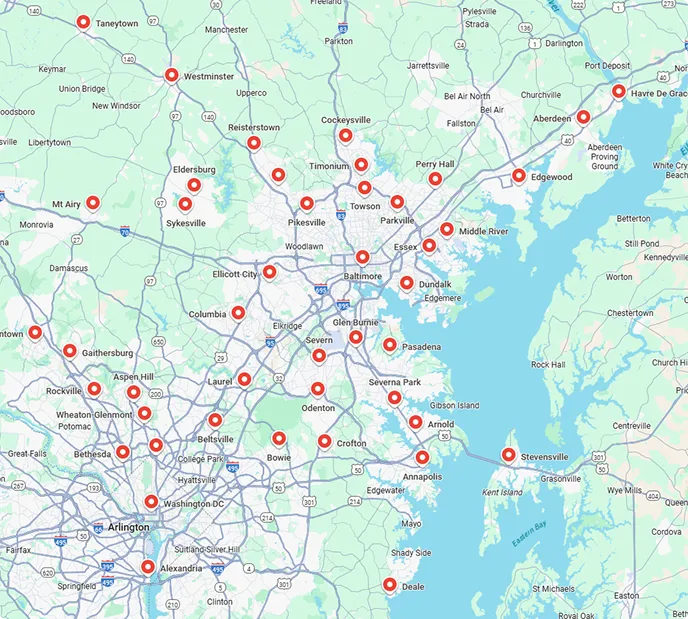
Service areas