

Furnace Tune-Up in Havre de Grace, MD
Keeping your furnace running safely and efficiently is essential in Havre de Grace, where chilly winters, high humidity from the nearby Chesapeake Bay, and occasional coastal air corrosion place extra stress on heating systems. A professional furnace tune-up from Tario HVAC optimizes performance, reduces energy costs, extends equipment life, and lowers the risk of breakdowns or safety hazards. We'll explain what a comprehensive tune-up includes, common issues in Havre de Grace homes, the diagnostic process, what a tune-up can and cannot fix, recommended frequency, and how booking typically works.
.jpeg)
Furnace Tune-Up in Havre de Grace, MD
Keeping your furnace running safely and efficiently is essential in Havre de Grace, where chilly winters, high humidity from the nearby Chesapeake Bay, and occasional coastal air corrosion place extra stress on heating systems. A professional furnace tune-up optimizes performance, reduces energy costs, extends equipment life, and lowers the risk of breakdowns or safety hazards. This page explains what a comprehensive tune-up includes, common issues in Havre de Grace homes, the diagnostic process, what a tune-up can and cannot fix, recommended frequency, and how booking typically works.
What a Furnace Tune-Up Includes
A full tune-up covers cleaning, inspection, adjustment, and performance testing. Typical components and tasks:
- Cleaning burners and combustion components
- Remove dust, soot, and debris to ensure proper ignition and a stable flame.
- Combustion and efficiency checks
- Measure combustion to confirm the unit is burning fuel efficiently and safely. This includes carbon monoxide screening and combustion analysis when applicable.
- Heat exchanger and flue inspection
- Visual check for cracks, corrosion, rust, or blockages that could cause leaks or reduced venting.
- Filter replacement or inspection
- Replace or recommend the correct MERV rated filter, and confirm proper airflow.
- Lubrication of moving parts
- Lubricate motors and bearings to reduce wear and noise.
- Blower and motor cleaning and calibration
- Clean the blower wheel, verify motor amperage and belt condition, and balance for optimal airflow.
- Safety control checks
- Test limit switches, pressure switches, ignition systems, and safety shutoffs to ensure reliable operation.
- Thermostat and control verification
- Calibrate thermostat, verify operation of controls and sequencing.
- Electrical inspection and tightening
- Inspect wiring, terminals, relays, and capacitors for wear and secure electrical connections.
- Fuel system and pressure checks (gas or oil systems)
- Inspect fuel lines, regulators, or oil nozzle condition and pressure for proper delivery.
- Documentation and recommendations
- Provide a written summary of findings, efficiency readings, and any recommended repairs or part replacements.
Common Furnace Problems in Havre de Grace Homes
Local climate and housing stock create some recurring issues that tune-ups specifically address:
- Reduced airflow from clogged filters, vents, or duct leakage
- Noisy operation due to worn blower bearings or loose components
- Frequent cycling or short cycling caused by thermostat issues, improper airflow, or heat exchanger problems
- Sooty or yellow flames indicating combustion issues or burner misalignment
- Corrosion or rust on external components from coastal salt air
- Increased energy bills from inefficient combustion or poor calibration
- Carbon monoxide risk from cracked heat exchangers or blocked flues
A tune-up identifies these issues early and either corrects them on the spot or documents necessary repairs.
Diagnostic Process: What to Expect
During a professional tune-up, the technician will follow a methodical checklist to evaluate performance and safety:
- Initial visual inspection of the furnace cabinet, vents, and surrounding area
- Start-up and flame observation to confirm proper ignition and flame quality
- Combustion analysis and CO testing when applicable for sealed or natural draft systems
- Airflow checks including supply and return temperatures and temperature split
- Electrical and component tests, including motor amperage and capacitor health
- Venting and flue check for blockages, corrosion, or backdrafting
- Documentation of readings and any observations, including recommended next steps
All steps are explained in plain language to help you understand system condition and priorities.
Repairs and Solutions Covered During a Tune-up
A tune-up typically includes adjustments and minor repairs needed to restore safe operation and efficiency. Common on-the-spot fixes:
- Replacing disposable filters
- Tightening electrical connections
- Lubricating motors and moving parts
- Cleaning burners, flame sensors, and blower components
- Calibrating thermostats and controls
More extensive repairs such as replacing heat exchanger sections, major electrical components, or full motor replacement will be documented and estimated separately. A tune-up helps prioritize necessary repairs so you can avoid emergency breakdowns.
Benefits of an Annual Tune-up in Havre de Grace
Regular furnace tune-ups deliver measurable benefits, especially in this region:
- Lower energy bills through improved combustion and calibrated performance
- Increased reliability during winter cold snaps and storms
- Extended equipment life by reducing wear from dirty or unbalanced components
- Reduced safety risk through combustion checks and CO screening
- Fewer emergency repairs and better planning for component replacement
- Help maintaining warranty compliance by documenting annual service
Given local winter duration and occasional sea air exposure, preventive service is especially valuable for maintaining efficiency and preventing corrosion-related failures.
Recommended Frequency and Timing
- Annual tune-up: once a year before the heating season is the standard recommendation. For Havre de Grace, schedule service in September or October to prepare for colder weather.
- Older systems or homes with heavy dust, pets, or renovations: consider twice-yearly checks or interim filter changes.
- Filters: inspect every 1 to 3 months. Replace more often if you have pets, wood stoves, or high dust levels.
- After severe storms or extended idle periods: a post-event inspection helps catch damage or moisture intrusion.
Timing service before the first cold snap reduces the chance of needing emergency repairs when demand is highest.
How Booking Typically Works in Havre de Grace, MD
Booking an appointment usually follows a straightforward process with any local HVAC provider:
- You provide the home address, preferred appointment windows, and basic furnace information such as fuel type (natural gas, propane, or oil), manufacturer, and model if available.
- The provider confirms scheduling availability and gives an estimated service window and arrival time.
- On the scheduled visit the technician performs the tune-up checklist, shares documented findings, and provides any recommendations or estimates for additional repairs.
Plan ahead in the fall to avoid peak-season delays. Expect a tune-up visit to take roughly 45 to 90 minutes depending on system complexity and whether repairs are needed.
Maintenance Tips Between Tune-ups
Keep your system running smoothly between professional services with these simple practices:
- Replace or inspect filters regularly, at least every 1 to 3 months
- Keep supply and return vents clear of furniture and dust
- Check and test carbon monoxide detectors monthly
- Program thermostats for steady schedules to reduce short cycling
- Keep the area around the furnace free of clutter, paint cans, or flammable materials
- Note any unusual noises, smells, or performance drops so you can document them for the next service
Q: How often should I get a furnace tune-up in Havre de Grace?
A: Annual tune-ups before the heating season are recommended; older or heavily used systems may need more frequent attention.
Q: Will a tune-up reduce my heating bills?
A: Yes. A tune-up improves combustion, airflow, and efficiency which typically lowers energy consumption and monthly costs.
Q: How long does a professional furnace tune-up take?
A: Expect 45 to 90 minutes for a comprehensive inspection and service; time varies with system type and any necessary repairs.
Q: Does a tune-up include a carbon monoxide check?
A: A proper tune-up includes combustion and CO screenings when applicable, as part of safety and efficiency testing.
Q: Can a tune-up prevent emergency breakdowns?
A: Regular tune-ups reduce the likelihood of unexpected failures by identifying worn parts, dirty components, and safety concerns early.
Q: When is the best time to schedule a tune-up in Havre de Grace?
A: Schedule in early fall, such as September or October, to prepare your system for winter and avoid peak-season delays.

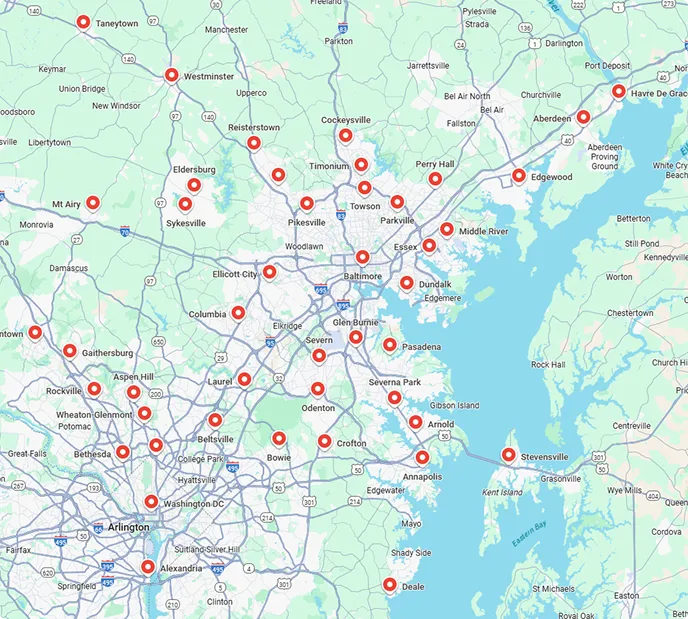
Service areas