

Furnace Service in Havre de Grace, MD
Keeping your furnace reliable through Chesapeake Bay winters is essential for comfort and safety. At Tario HVAC, our comprehensive furnace service in Havre de Grace, MD provides professional repair, maintenance, inspections, system optimization, parts replacement, emergency response, and ongoing support for local homes. We focus on what homeowners need to know to diagnose problems, understand typical solutions, and choose the right service plan for long-term reliability.
.webp)
Furnace Service in Havre de Grace, MD
Keeping your furnace reliable through Chesapeake Bay winters is essential for comfort and safety. Our comprehensive furnace service in Havre de Grace, MD explains what professional repair, maintenance, inspections, system optimization, parts replacement, emergency response, and ongoing support look like for local homes. This page focuses on what homeowners need to know to diagnose problems, understand typical solutions, and choose the right service plan for long-term reliability.
Why specialized furnace service matters in Havre de Grace
Havre de Grace homes face a mix of cold winters, coastal humidity, and salt-laden air that can accelerate corrosion in outdoor and near-coast equipment. Older homes in the area may have legacy ductwork or less efficient systems that need targeted attention. Regular, local furnace service reduces breakdown risk, improves efficiency, and addresses issues unique to the Mid Atlantic climate.
Common furnace issues in Havre de Grace
- Faulty ignition or pilot systems causing intermittent heating
- Uneven heating between rooms due to duct leaks or imbalance
- Reduced airflow from clogged filters or obstructed returns
- Corroded burners, heat exchangers, or outdoor venting components from salt exposure
- Short cycling caused by thermostat faults, overheating, or airflow problems
- Noisy operation due to belts, motors, or loose components
- Increased carbon monoxide risk from cracked heat exchangers or blocked flues
- Age-related inefficiency and frequent part failures
Types of furnace service offered
- Diagnostic inspections: Full-system evaluation to identify root causes of performance issues.
- Routine maintenance and tune-ups: Filter replacement, cleaning, burner adjustment, and safety checks.
- Repairs and parts replacement: Burner service, ignition module replacement, blower motor repair, and heat exchanger service when feasible.
- System optimization: Thermostat calibration, airflow balancing, and combustion efficiency tuning to lower fuel use.
- Ductwork assessment and sealing: Identify leaks and insulation shortfalls that impact heat delivery.
- Emergency response: Rapid troubleshooting and temporary measures to restore safe heating during failures.
- Service plans: Scheduled maintenance agreements, priority response options, and seasonal check-ups tailored to your home.
What a professional diagnostic looks like
A thorough furnace inspection follows a consistent sequence to ensure safety and accuracy:
- Safety and combustion checks: Inspect venting, flue, and heat exchanger for cracks or blockages; test for carbon monoxide risks.
- Electrical and control verification: Check wiring, relays, and the thermostat for correct signals and safe operation.
- Fuel system and ignition: Evaluate burners, gas pressure or oil nozzle condition, and ignition sequencing for reliable startups.
- Airflow assessment: Inspect filters, blower wheel, and ductwork; measure temperature rise to confirm proper airflow.
- Component condition review: Examine motor bearings, belts, safety switches, and condensate handling where applicable.
- Efficiency diagnostics: Use combustion analysis and performance metrics to determine if tuning or replacements will improve efficiency.
Reports from diagnostics are explained in plain language with recommended next steps and an estimated scope of work. Estimates are provided before performing repairs.
Repair and replacement approach
Repairs focus on restoring safe operation and extending system life while considering cost-effectiveness:
- Minor repairs: Cleaning burners, replacing sensors, or adjusting controls to eliminate short cycling and startup failures.
- Component swaps: Installing new motors, ignitors, or control boards using quality parts tested for compatibility.
- Heat exchanger issues: If a heat exchanger is compromised, the technician will explain safety implications and replacement options clearly.
- System upgrades: When repeated failures or age reduce reliability, optimization or full-system replacement options are discussed to improve comfort and efficiency.
All repairs include functional testing and follow-up checks to confirm the issue is resolved and the system is operating safely.
Emergency response and customer support
Emergencies can occur on the coldest nights. Emergency service protocols prioritize safety checks, temporary fixes to restore heat, and rapid scheduling for permanent repairs. Ongoing customer support includes clear explanations of work performed, maintenance recommendations based on local conditions, and documentation of service history for future planning.
Service plans and transparent estimates
Service plans typically include scheduled seasonal tune-ups, priority scheduling, safety inspections, and discounted diagnostic fees or parts. Plans are structured to reduce unexpected failures and maintain efficiency, especially useful in Havre de Grace where coastal conditions can increase wear. All work begins with a clear estimate and explanation of options so homeowners can make informed decisions without surprises.
Benefits of timely furnace service
- Improved safety through early detection of combustion or carbon monoxide issues
- Enhanced reliability during cold spells when heating matters most
- Lower energy use via optimized combustion and reduced duct losses
- Extended equipment life by preventing progressive component damage
- Better indoor comfort through balanced airflow and thermostat calibration
Regular servicing tailored to Havre de Grace homes helps mitigate salt-related corrosion, manage humidity impacts, and adapt to older duct systems common in the area.
Maintenance tips for Havre de Grace homeowners
- Replace or clean filters monthly during high-use seasons to maintain airflow.
- Keep outdoor vents and intake areas clear of debris and snow to prevent blockages.
- Have annual combustion and carbon monoxide checks, especially if your furnace is older.
- Address uneven heating promptly; it often signals duct or airflow issues that worsen over time.
- Consider a service plan for scheduled maintenance and priority response during peak cold periods.
Q: How often should I have furnace service in Havre de Grace, MD?
A: Annual professional inspections and tune-ups are recommended, with filter checks more frequently during heavy use months.
Q: What are signs my furnace needs immediate attention?
A: Frequent cycling, unusual odors, loud noises, uneven heating, or any carbon monoxide alarm should prompt immediate inspection.
Q: Can routine maintenance improve my furnace efficiency?
A: Yes. Cleaning, combustion tuning, and airflow adjustments commonly restore lost efficiency and reduce fuel use.
Q: Are heat exchangers repairable or must they be replaced?
A: Minor surface issues can sometimes be addressed, but cracks or significant corrosion typically require replacement for safety reasons.
Q: Does coastal salt air affect furnace longevity?
A: Salt-laden air can accelerate corrosion on outdoor vents and exposed components, making regular inspections important in coastal areas.
Q: What should a maintenance visit include?
A: Filter inspection, burner cleaning, ignition checks, combustion safety tests, thermostat calibration, and airflow measurement.
Q: Do service plans cover emergency calls?
A: Many plans include priority scheduling and reduced diagnostic fees; plan details vary and are explained before enrollment.
Q: Is carbon monoxide testing part of a standard inspection?
A: Yes. Combustion and carbon monoxide safety checks are standard in a full diagnostic inspection.
Q: How can I reduce heating bills without replacing my furnace?
A: Regular maintenance, sealing duct leaks, improving insulation, and installing a programmable thermostat can reduce operating costs.
Q: When is furnace replacement a better option than ongoing repairs?
A: When repairs are frequent, parts availability is limited, or efficiency and safety concerns outweigh the cost of replacement, upgrading may be the most practical solution.

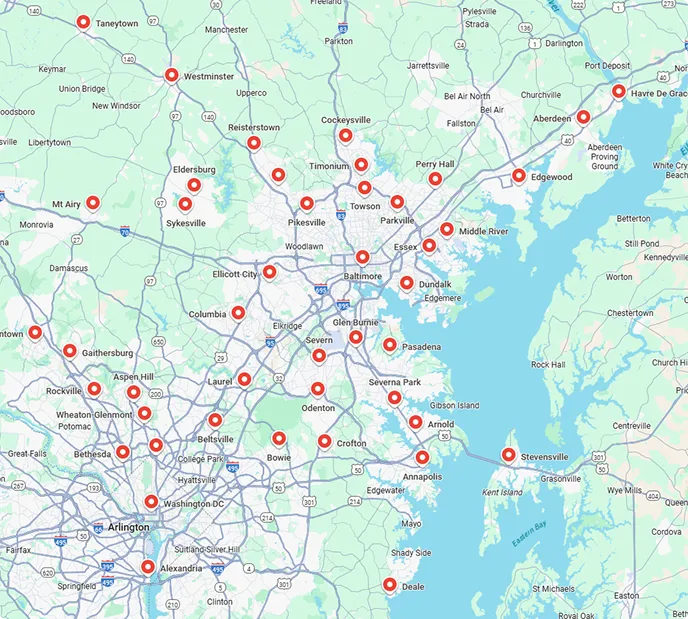
Service areas