

Furnace Tune-Up in Ellicott City, MD
A professional furnace tune-up from Tario HVAC helps keep your heating system safe, efficient, and reliable through Maryland winters. In Ellicott City, where cold snaps and high heating demand are common and many homes have older systems or sit in low-lying areas prone to moisture, an annual furnace tune-up reduces breakdown risk, prevents safety hazards, and can lower energy use. We'll walk you through what a thorough tune-up includes, why each task matters, how often to have one, the benefits you can expect, and practical maintenance tips for Ellicott City homes.
.webp)
Furnace Tune-Up in Ellicott City, MD
A professional furnace tune-up helps keep your heating system safe, efficient, and reliable through Maryland winters. In Ellicott City, where cold snaps and high heating demand are common and many homes have older systems or sit in low-lying areas prone to moisture, an annual furnace tune-up reduces breakdown risk, prevents safety hazards, and can lower energy use. This page details what a thorough tune-up includes, why each task matters, how often to have one, the benefits you can expect, and practical maintenance tips for Ellicott City homes.
Common furnace issues in Ellicott City homes
- Clogged air filters and restricted airflow from seasonal dust, pollen, and pet hair.
- Dirty burners or flame sensors causing weak ignition or frequent cycling.
- Heat exchanger cracks or corrosion in older equipment, increasing carbon monoxide risk.
- Inefficient combustion caused by improper gas pressure or burner alignment.
- Ignition or relay failures after long idle periods.
- Venting or flue blockages from birds, debris, or storm damage.
- Moisture or flood-related damage in basements and low-lying properties following heavy rains.
Comprehensive furnace tune-up checklist
The following tasks represent a full-service tune-up performed by a trained HVAC technician. Each item includes what the technician does and why it matters.
- Inspect and replace or recommend replacement of the air filter
- Ensures proper airflow, improves indoor air quality, and reduces strain on the blower motor.
- Clean burners and burner assembly
- Restores correct combustion and prevents delayed ignition or soot buildup.
- Clean and inspect heat exchanger
- Checks for cracks, corrosion, and signs of leakage; critical for carbon monoxide safety.
- Combustion analysis and CO testing
- Measures combustion efficiency and carbon monoxide output to verify safe operation.
- Check and calibrate thermostat
- Confirms setpoints match actual temperatures and that the furnace cycles correctly.
- Test ignition system and flame sensor
- Verifies reliable start-up and prevents nuisance lockouts.
- Inspect and tighten electrical connections
- Reduces risk of shorts, component failure, and unsafe electrical conditions.
- Lubricate motors and moving parts where applicable
- Reduces wear and noise and helps maintain efficiency.
- Check and test safety controls and limit switches
- Ensures automatic shutoffs and safety interlocks function properly.
- Inspect venting, flue, and draft
- Confirms exhaust gases are routed safely and that there are no blockages or corrosion.
- Verify gas pressure and check gas valve operation (for gas furnaces)
- Ensures correct fuel delivery for efficient, stable combustion.
- Inspect blower wheel and housing; clean if needed
- Restores proper airflow and reduces cycling issues.
- Check condensate drains and traps (for high-efficiency furnaces)
- Prevents water damage and blockages that can shut down the system.
- Document system performance and recommend repairs
- Provides a written summary of findings, test results, and prioritized repair options.
Typical tune-up process and diagnostics
A tune-up follows a logical sequence to maximize safety and performance:
- Initial visual inspection and safety check for obvious hazards.
- Replace filters and remove debris around the unit.
- Start-up and observation of ignition and burner behavior.
- Perform combustion analysis and CO testing under normal operating conditions.
- Inspect heat exchanger and venting for cracks, corrosion, or blockage.
- Test electrical components, safety interlocks, thermostat calibration, and airflow.
- Make adjustments, clean components, and lubricate where appropriate.
- Compile a detailed report with measurements, observed issues, and recommended next steps.
Technicians will flag any immediate safety concerns and document CO or combustion readings that exceed safe limits.
Recommended tune-up frequency
- Annual tune-up before the heating season is the standard recommendation for most Ellicott City homes.
- Twice-yearly service may be advisable for:
- Older furnaces (15+ years)
- Homes with high usage, pets, or family members with respiratory issues
- Properties that have experienced flooding, heavy storm damage, or long inactivity
- If you notice warning signs between visits (odd smells, soot, yellow pilot light, uneven heat, noisy operation), schedule an inspection promptly.
Expected benefits of a professional tune-up
- Improved efficiency and lower energy use: a clean, properly adjusted furnace runs more efficiently and can reduce fuel consumption.
- Greater reliability and fewer emergency breakdowns during cold periods.
- Safer operation with reduced carbon monoxide risk from combustion issues or heat exchanger damage.
- Extended equipment life by reducing wear on components.
- Better indoor comfort with more consistent temperatures and airflow.
- Documentation useful for warranties, insurance, or resale.
In many cases, a tune-up alone can restore significant lost performance; the exact benefit depends on the unit’s condition and age.
What a comprehensive tune-up report includes
- List of tasks performed and components inspected
- Measured combustion and CO levels
- Thermostat calibration and temperature differential
- Recommendations for repairs or part replacement, prioritized by safety and urgency
- Estimated remaining service life and efficiency observations
This documentation helps homeowners make informed decisions about repairs or replacement.
Maintenance tips between tune-ups for Ellicott City homes
- Replace or clean filters regularly (monthly to every 3 months depending on filter type and household conditions).
- Keep return vents and registers free of furniture and clutter.
- Test carbon monoxide detectors monthly and replace batteries as needed.
- Maintain clear space around the furnace and outdoor vents, especially after storms or leaf drop.
- If your home is in a flood-prone area, have the furnace inspected after any water intrusion before placing it back into service.
- Use a programmable or smart thermostat to reduce runtime and wear.
Q: How often should I schedule a furnace tune-up?
A: Annual tune-ups before the heating season are the standard recommendation; older or heavily used systems may need more frequent service.
Q: Will a tune-up fix a noisy or unevenly heating furnace?
A: A tune-up identifies and often corrects causes of noise and uneven heating by cleaning components, balancing airflow, and diagnosing failing parts; some repairs may be recommended.
Q: Is combustion testing and carbon monoxide measurement included?
A: Comprehensive tune-ups include combustion analysis and carbon monoxide testing to verify safe operation and identify heat exchanger or venting problems.
Q: What if my furnace is very old?
A: A tune-up provides a clear assessment of an older system’s condition, safety risks, and cost-effective repair or replacement options based on performance and measured data.
Q: Can I perform any of these tune-up tasks myself?
A: Homeowners can change filters and keep the area clean, but combustion testing, heat exchanger inspection, gas pressure checks, and electrical diagnostics should be performed by a trained technician.
Q: What should I do after a flood or heavy storm?
A: Have the furnace inspected by a professional before use. Moisture can damage electrical components, corrosion can form, and combustion safety can be compromised.
Q: How long does a full tune-up take?
A: Typical tune-ups take about 60 to 90 minutes depending on system complexity and any additional diagnostics or minor adjustments required.
Q: What does a tune-up report tell me?
A: It summarizes tasks performed, test results, any safety concerns (including CO readings), and recommended repairs with priority levels to help you plan next steps.

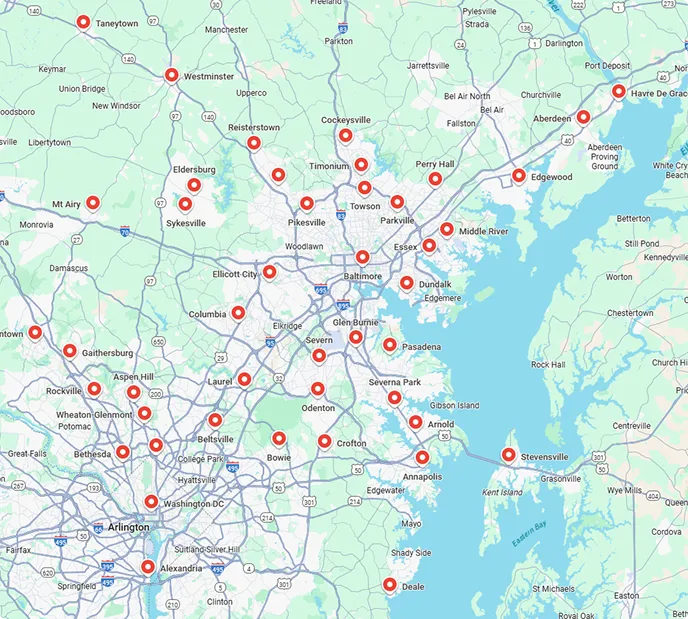
Service areas