

Furnace Service in Reisterstown, MD
Keeping your furnace running safely and efficiently is essential for comfort and energy savings in Reisterstown, MD. Winters here can be cold and drawn-out, and many homes in the area are older or built with tighter layouts that place extra demand on heating systems. Tario HVAC's comprehensive furnace service covers repairs, installations, seasonal tune-ups, emergency responses, diagnostic testing, and ongoing service agreements - all focused on delivering reliable heat, lower utility bills, and safer indoor air.
Furnace Service in Reisterstown, MD
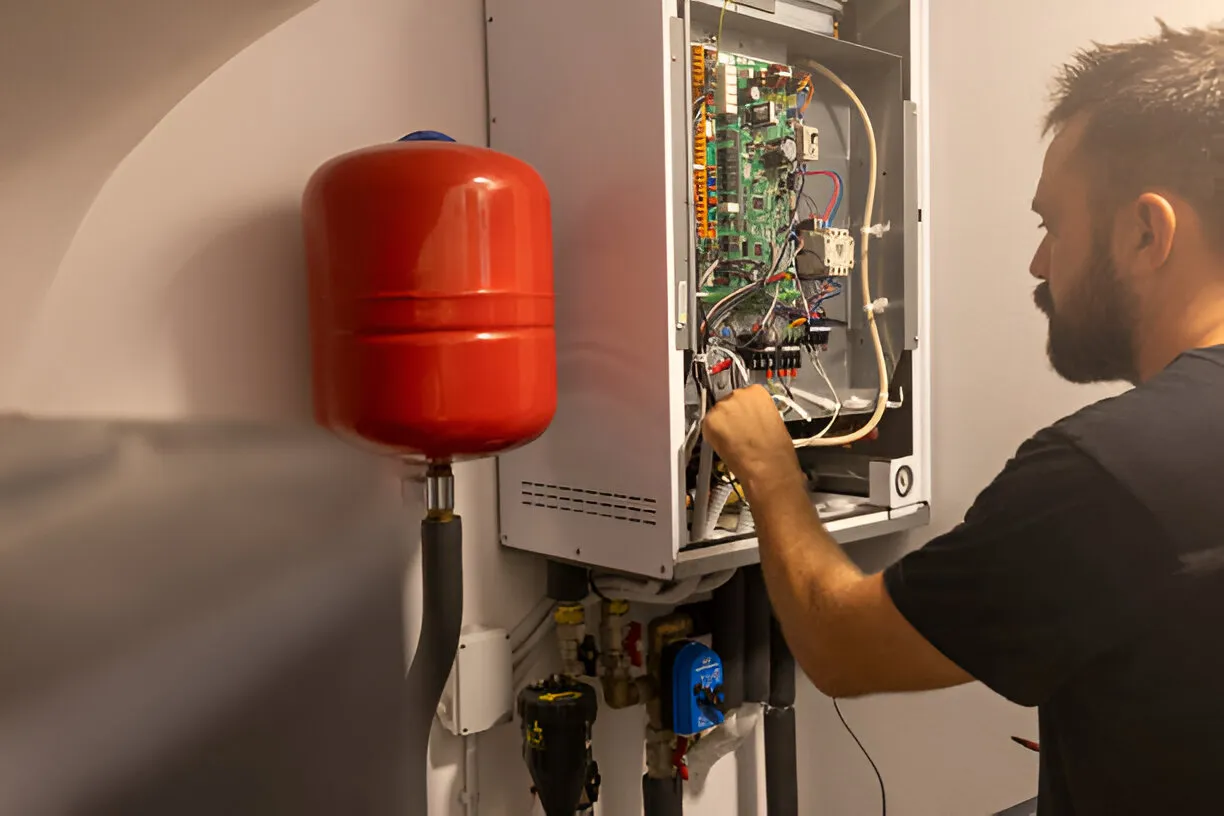
Keeping your furnace running safely and efficiently is essential for comfort and energy savings in Reisterstown, MD. Winters here can be cold and drawn-out, and many homes in the area are older or built with tighter layouts that place extra demand on heating systems. Our comprehensive furnace service covers repairs, installations, seasonal tune-ups, emergency responses, diagnostic testing, and ongoing service agreements - all focused on delivering reliable heat, lower utility bills, and safer indoor air.
Why timely furnace service matters in Reisterstown homes
- Reisterstown winters increase runtime, which accelerates wear on components like motors, belts, and ignition systems.
- Older homes may have undersized ductwork, outdated controls, or aging furnaces that need more frequent attention.
- Coastal plain humidity changes and freeze-thaw cycles can affect venting, condensate lines, and exterior equipment.
- Timely service avoids cold nights, unexpected breakdowns, higher energy bills, and potential safety risks.
Common furnace problems we diagnose and fix
- No heat or intermittent heating due to thermostat, control board, or ignition failures
- Weak airflow from clogged filters, blower motor issues, or restricted ductwork
- Frequent cycling caused by wrong thermostat calibration, airflow restriction, or short-cycling components
- Pilot light or electronic ignition faults
- Strange noises from bearings, burners, or loose panels
- Gas odor, combustion inefficiencies, or indications of a cracked heat exchanger
- Poor indoor air quality from dirty burners, filters, or ventilation problems
Types of furnace services offered
- Repair: On-site troubleshooting and repairs for controls, burners, heat exchangers, motors, gas valves, and safety devices.
- Installation: Full replacement and upgrade services, including load calculations, proper sizing, duct compatibility checks, and code-compliant venting.
- Tune-up and preventive maintenance: Annual or biannual inspections, cleaning, filter checks, combustion adjustments, and efficiency tuning.
- Emergency response: Rapid diagnostics and temporary fixes during off-hours for loss of heat or safety concerns.
- Diagnostics: Detailed, documented system assessments with recommended options and cost estimates.
- Service agreements: Scheduled maintenance plans with priority scheduling, seasonal checkups, and discounted repair labor.
What happens during a typical service visit
- Arrival and verification: Technician confirms the address and system details, checks documentation of past service, and notes make and model.
- Visual safety inspection: Check for gas odor, venting obstructions, loose wiring, corrosion, and proper clearances.
- Operational testing: Thermostat behavior, ignition sequence, burner operation, flame pattern, and combustion efficiency measurements if applicable.
- Airflow and filter check: Inspect filters, blower wheel, and duct connections. Measure airflow if needed.
- Electrical checks: Test safeties, relays, capacitors, motors, and control boards.
- Report and options: Technician explains findings in plain language, outlines repair or replacement choices, and provides estimated timelines for parts and completion.
- Work and verification: Approved repairs or tune-ups are completed, followed by a final safety and performance check and cleanup.
Diagnostics explained in plain language
A diagnostic visit isolates the root cause before repairs begin. Common steps include checking the thermostat, verifying power and gas supply, listening for abnormal sounds, inspecting the heat exchanger and burners for safety and efficiency, and testing safety controls. Diagnostics often uncover secondary issues — for example, a failing blower motor may have caused overheating which tripped safety limits - so this method prevents repeat failures.
Typical repair and installation turnarounds
- Minor repairs (thermostat, filter changes, relays): Often same-day or next-day depending on technician availability.
- Component replacements (motors, ignitors, control boards): Usually next-day when parts are in stock; custom or back-ordered parts may extend timing.
- Full furnace replacement: Scheduling and permit requirements typically require 1 to 5 business days, depending on equipment availability, ductwork modifications, and local permit timelines in Baltimore County.
- Emergency service: Rapid response windows vary by provider, but emergency visits prioritize safety issues such as gas leaks or total heat loss.
Technician credentials and safety standards
- Technicians are licensed and insured for Maryland work and follow local permit and inspection requirements.
- Certifications commonly include NATE (North American Technician Excellence) and training on modern control systems and safety testing.
- Technicians undergo background screening and follow drug-free and identification policies.
- Work includes safety checks for carbon monoxide and combustion efficiency testing where applicable, and adherence to manufacturer installation guidelines.
Supported brands and system types
We regularly service and install major furnace brands including Carrier, Trane, Lennox, Bryant, Rheem, Goodman, American Standard, York, and others. Services cover gas furnaces, oil-fired furnaces, electric furnaces, and hybrid systems paired with heat pumps. When recommending replacements, proper sizing and system compatibility with existing ductwork and controls are prioritized.
Service agreements and maintenance plans
Service agreements are designed to reduce unexpected breakdowns and extend equipment life. Typical features include:
- Scheduled seasonal tune-ups (fall heating checks and optional spring checks)
- Priority scheduling during peak cold weather periods
- Discounted labor rates for covered repairs
- Filter reminder or replacement options
- Waived diagnostic or trip fees under specified conditions
- These plans often pay for themselves over time through improved efficiency and fewer emergency repairs.
Warranties and guarantees you can expect
- Manufacturer warranties cover parts and heat exchangers per the equipment’s warranty terms; these vary by brand and model.
- Labor or workmanship guarantees commonly range from 30 to 90 days depending on the service provider and the type of work performed.
- Replacements include verification testing and documentation to support warranty claims with manufacturers and local inspectors when required.
Safety note for severe issues
If you detect the smell of gas or signs of carbon monoxide (headache, nausea, dizziness, or CO alarm activation), leave the home immediately and follow local emergency guidance. Safety is the first priority; recommend certified testing and corrective action before resuming normal use.
Frequently Asked Questions
Q: How often should I have my furnace serviced?
A: Annual heating tune-ups before the heating season are recommended; biannual visits can benefit older systems or homes with high use.
Q: How long does a typical tune-up take?
A: Most tune-ups take 45 to 90 minutes, depending on system accessibility and whether minor repairs are needed.
Q: Will a tune-up lower my heating bill?
A: Yes. Cleaning burners, adjusting combustion, replacing filters, and ensuring proper airflow typically restore lost efficiency and can reduce fuel consumption.
Q: Are routine repairs covered by manufacturer warranties?
A: Manufacturer warranties usually cover specific parts but not regular maintenance or wear-and-tear repairs; labor warranties depend on the service provider.
Q: What information should I have ready when scheduling a service visit?
A: Home address, furnace make and model (if available), a brief description of symptoms, and preferred appointment windows are helpful for faster diagnostics and parts planning.

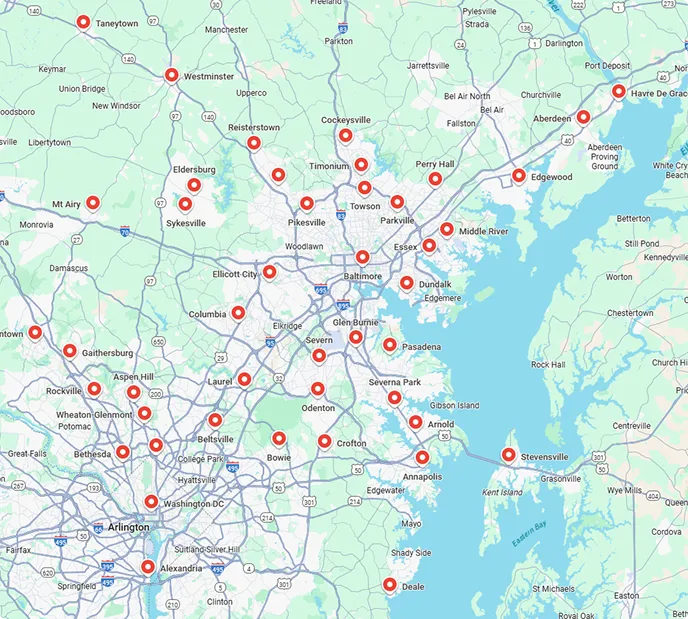
Service areas