



Furnace Replacement in Reisterstown, MD
Replacing a furnace is one of the most important investments a homeowner can make for comfort, safety, and energy savings. In Reisterstown, MD, with cold winters and variable shoulder seasons, choosing the right replacement furnace affects year-round comfort and utility costs. At Tario HVAC, we're here to help you decide when replacement is the better choice than repair. We'll explain how proper sizing and load calculations protect performance, compare high-efficiency models and fuel types, lay out the typical replacement process (including duct and venting considerations), and describe financing, rebate options, warranty transitions, and what to expect during your project.
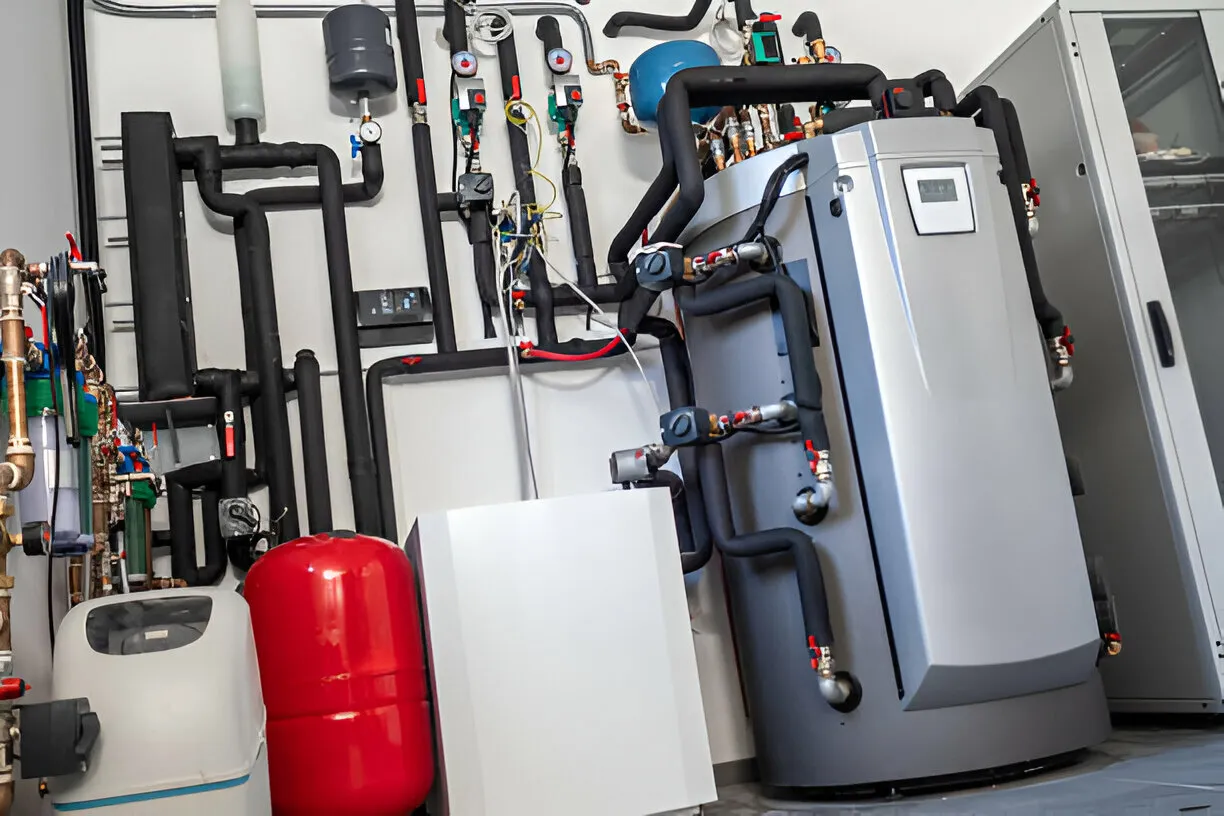
Furnace Replacement in Reisterstown, MD
Replacing a furnace is one of the most important investments a homeowner can make for comfort, safety, and energy savings. In Reisterstown, MD, with cold winters and variable shoulder seasons, choosing the right replacement furnace affects year-round comfort and utility costs. This page helps you decide when replacement is the better choice than repair, explains how proper sizing and load calculations protect performance, compares high-efficiency models and fuel types, lays out the typical replacement process (including duct and venting considerations), and describes financing, rebate options, warranty transitions, and what to expect during the project.
When to replace versus repair
Know when repair is a short-term fix and when replacement makes more sense:
- Age and expected lifespan: Furnaces near or past their expected service life often cost more in repairs and operate less efficiently.
- Frequency and cost of repairs: Repeated breakdowns or high repair bills indicate diminishing returns on fixes.
- Safety concerns: A cracked heat exchanger, persistent carbon monoxide alarms, or combustion issues call for replacement for safety reasons.
- Efficiency and comfort: Significant increases in energy bills, uneven heating, or inability to maintain temperature suggest the system no longer meets your home’s needs.
- Compatibility and future needs: If you plan to add central air, zone control, or electrify heating, an older furnace may not integrate well.
Equipment sizing and load calculations
Right-sizing a furnace is critical in Reisterstown homes where insulation levels and home styles vary. Oversized units short-cycle, reducing comfort and lifespan; undersized units struggle during cold spells.
- Manual J load calculation: A professional heat loss/gain assessment determines the correct capacity for your home based on square footage, insulation, window types, orientation, and local climate factors.
- Manual S equipment selection: Once load is known, Manual S guides selecting a furnace with the right output and efficiency for real operating conditions.
- Duct considerations (Manual D): Duct layout, size, and leakage influence the unit size and configuration. Poor ducts can mask as furnace problems.
Comparing high-efficiency models and fuel types
Selecting fuel type and efficiency depends on availability, rising fuel costs, and goals for operating cost and carbon footprint.
- Natural gas furnaces: Common in many Reisterstown homes. Modern condensing gas furnaces offer high AFUE ratings and lower operating costs in colder months. High-efficiency condensing units require proper condensate drainage and sealed venting.
- Oil furnaces: Still present in some older properties. Replacement options exist, but availability and fuel price volatility can be a factor. Consider conversions if infrastructure allows.
- Electric heat pumps: Cold-climate capable heat pumps and dual-fuel systems are becoming viable alternatives. They provide both heating and cooling and can qualify for incentives when highly efficient. Performance during Maryland’s colder days should be evaluated against backup heat options.
- AFUE and HSPF/SEER: Compare AFUE for furnaces, and if choosing a heat pump, consider heat pump ratings (HSPF for heating, SEER for cooling). Higher-rated equipment typically reduces operating costs but changes project requirements and potential incentives.
Replacement process and what to expect
A typical replacement project follows clear stages to ensure safety and performance:
- Assessment and load calculation: A technician evaluates your home, existing system, ducts, and venting needs.
- Permitting and planning: Many jurisdictions require permits for fuel-burning appliance replacement. Plans may note vent changes or electrical updates.
- Removal of old unit: Old furnace is disconnected, safely removed, and disposed of in accordance with local rules. Combustion safeties and gas lines are secured.
- Install new unit: New furnace is set, connected to fuel, electrical, thermostat, and controls. High-efficiency units may need PVC venting and condensate traps.
- Duct and venting adjustments: Technicians check duct tightness, grille sizing, and ensure proper static pressure. Exhaust venting and combustion air requirements are verified.
- Startup, testing, and documentation: Combustion efficiency, carbon monoxide levels, gas pressure, and airflow testing confirm safe operation. Install documentation and warranty registration are provided.
Duct and venting considerations specific to Reisterstown homes
Many homes in Reisterstown are older and may have legacy duct systems or masonry chimneys:
- Duct sealing and insulation: Leaky ducts can reduce effective capacity by 20% or more. Sealing, insulating, and occasionally resizing return or supply trunks improves performance and comfort.
- Venting type: Non-condensing units use metal flues; condensing high-efficiency furnaces require PVC venting and a condensate drain. Assess existing chimney condition before relying on it for venting.
- Combustion air: Tight homes may require dedicated combustion air or special venting arrangements to maintain safe operation.
Financing, rebates, and incentives
Homeowners in Maryland have access to multiple pathways to manage upfront cost:
- Financing options: Many lenders and manufacturers offer financing terms for HVAC replacement projects. Loan structures vary by length and interest rate.
- Utility and state rebates: Local utilities and state programs sometimes offer rebates or incentives for upgrading to high-efficiency furnaces or switching to heat pumps. Eligibility often depends on equipment efficiency and installation requirements.
- Federal tax incentives: From time to time, federal credits are available for certain high-efficiency electric systems. Check current program rules and qualified equipment lists.
When evaluating offers, compare overall project cost, expected energy savings, and incentive requirements such as program-specific installation standards.
Warranty and maintenance transition
A furnace replacement changes your protection and maintenance needs:
- Manufacturer and labor warranties: New furnaces come with manufacturer parts warranties and often separate labor warranties. Understand terms, transferability, and required registration.
- First-year check and seasonal maintenance: Schedule an inaugural tune-up after the first season and enroll in routine maintenance to preserve efficiency and warranty compliance.
- Filter strategy and service intervals: Regular filter changes and annual professional cleanings improve longevity and reduce operating costs.
Cost drivers and planning considerations
Rather than fixed prices, focus on what drives cost:
- Scope of work (simple like-for-like swap versus conversions or duct redesign)
- Equipment efficiency and fuel type selected
- Need for venting modifications, condenser drains, or electrical upgrades
- Duct repair, insulation, or zoning work
- Permit, inspection, and disposal requirements
Understanding these factors helps set realistic expectations and compare proposals on an apples-to-apples basis.
Final considerations for Reisterstown, MD homeowners
Replacing a furnace in Reisterstown requires balancing local climate needs, existing home construction, fuel availability, and long-term operating cost goals. Prioritize a proper load calculation, duct and vent assessments, and clear documentation of warranties and incentive eligibility. Thoughtful equipment selection and professional installation will deliver safer, more consistent home comfort and predictable energy bills for years to come.
FAQs
Q: How do I know if my furnace needs replacement now or later?
A: Consider age, frequency of repairs, efficiency declines, safety concerns like a cracked heat exchanger or CO alarms, and whether the system meets your comfort needs. If repairs are frequent or costly, replacement is often more economical.
Q: What is a Manual J load calculation and why is it necessary?
A: Manual J is a standardized heat loss and heat gain calculation used to determine the correct furnace capacity for your home. It prevents oversizing and undersizing, improving comfort and efficiency.
Q: Do high-efficiency furnaces require special venting?
A: Yes. High-efficiency condensing furnaces typically use PVC venting and need a condensate drain. Older metal flues may not be suitable for these units.
Q: Can I switch fuel types during replacement, for example from oil to gas or to a heat pump?
A: Fuel conversions are possible but may require additional work such as line installation, electrical upgrades, or duct adjustments. Evaluate long-term fuel costs and available incentives before converting.
Q: What should I expect during installation day?
A: Expect assessment finalization, safe disconnect and removal of the old unit, installation and connection of the new unit, duct and vent adjustments if needed, startup and safety testing, and paperwork for warranties and permits.
Q: Are there rebates or tax incentives for replacing my furnace in Maryland?
A: There are often utility, state, and federal programs that offer rebates or incentives for high-efficiency equipment or electrification projects. Eligibility depends on equipment efficiency, installation standards, and current program rules.

Service areas
