



Furnace Service in Odenton, MD
Keeping your home warm, safe, and energy-efficient through Odenton’s cold months requires comprehensive, reliable furnace service. Whether you need a diagnostic to find an intermittent failure, routine maintenance before winter, or an urgent repair for a unit that won’t start, Tario HVAC provides professional furnace service in Odenton, MD, focusing on safety, performance, and transparent pricing tailored to local needs.
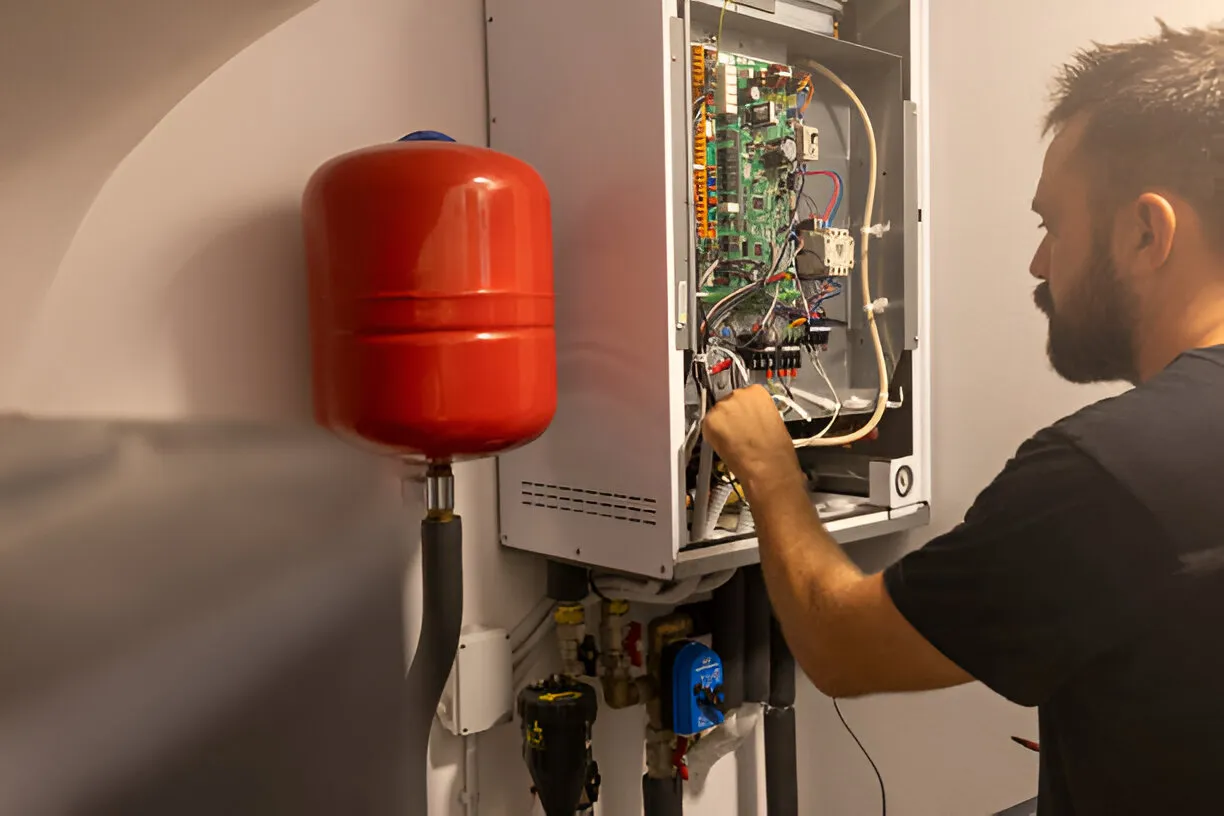
Furnace Service in Odenton, MD
Keeping your home warm, safe, and energy-efficient through Odenton’s cold months requires comprehensive, reliable furnace service. Whether you need a diagnostic to find an intermittent failure, routine maintenance before winter, or an urgent repair for a unit that won’t start, professional furnace service in Odenton, MD focuses on safety, performance, and transparent pricing tailored to local needs.
Why timely furnace service matters in Odenton, MD
Odenton experiences humid summers and cold winters with freezing nights and occasional snow. Furnaces endure seasonal stress from frequent cycles and higher run-times in winter. Delaying maintenance or repairs increases the risk of:
- Reduced heating efficiency and higher utility bills
- Unexpected system breakdowns during the coldest periods
- Unsafe conditions like carbon monoxide leaks or blocked venting
- Accelerated wear on critical parts that leads to costly replacements
Regular service addresses these risks and preserves comfort for Odenton homes, where reliable heat is essential for families, seniors, and anyone working from home.
Common furnace issues in Odenton, MD
Homeowners in Odenton commonly report these furnace problems:
- Furnace won’t start or intermittent ignition failures
- Weak or uneven heat, hot and cold spots throughout the home
- Frequent short-cycling (turning on and off rapidly)
- Strange noises: rattling, banging, or high-pitched squeals
- Yellow or flickering burner flame indicating combustion issues
- Rising energy bills with no change in usage patterns
- Persistent pilot light outages or electronic ignition issues
- Odors during startup (dust burn-off vs. gas smell concerns)
- Tripped safety limits or frequent thermostat malfunctions
Types of furnace service offered
- Comprehensive diagnostics: Systematic checks to identify root causes rather than temporary fixes. Includes combustion analysis, electrical testing, and airflow measurement.
- Repairs and parts replacement: From igniters and control boards to burners, gas valves, heat exchangers, and blower motors.
- Routine maintenance and seasonal tune-ups: Cleaning, filter changes, lubrication, and calibration to optimize efficiency before the heating season.
- Safety inspections: Carbon monoxide testing, gas leak detection, venting and chimney checks, and heat exchanger evaluation.
- Emergency response: Rapid troubleshooting and temporary solutions when a furnace fails outside normal hours.
- Service plans and preventive care agreements: Scheduled tune-ups, priority scheduling, parts discounts, and documented maintenance history.
- Transparent estimates and pricing: Written diagnostics and repair estimates with clear explanations of necessary work.
What to expect during a furnace diagnostic
A professional diagnostic follows a clear, methodical process:
- Visual inspection of the furnace cabinet, venting, and visible ductwork
- Filter check and basic airflow assessment
- Thermostat verification and control board diagnostics
- Ignition and burner inspection, including flame pattern and color
- Combustion efficiency and CO testing to ensure safe operation
- Electrical connections, capacitors, and motor function checks
- Safety control tests including limit switches and rollout sensors
- Report of findings with prioritized repair recommendations and written estimate
Diagnostics in Odenton also factor in regional concerns like moisture-related corrosion in venting and the impact of temperature fluctuations on seals and controls.
Typical repairs and how they restore reliability
- Ignition system and pilot repairs: Replacing ignitors or repairing pilot assemblies to restore reliable starts.
- Control board replacements: Modern furnaces rely on electronic controls; boards can fail and require precise replacement.
- Blower motor and capacitor service: Restores proper airflow and resolves noisy or weak circulation.
- Heat exchanger evaluation and replacement: Critical for both efficiency and safety—cracked exchangers require prompt attention.
- Gas valve and regulator repairs: Ensures proper fuel delivery and safe operation.
- Venting and flue repairs: Corrects drafting problems that can cause hazardous conditions.
All repair work should include testing and verification so the system returns to documented, safe operation.
Technician qualifications and local code compliance
Qualified technicians should hold industry-recognized certifications such as NATE (North American Technician Excellence) and maintain state or local HVAC licensing where required. Technicians servicing furnaces in Odenton should also:
- Be trained in combustion analysis and CO detection
- Follow Anne Arundel County and Maryland code requirements for venting, combustion air, and permit procedures for replacements
- Use manufacturer-recommended parts and documented installation practices
- Maintain clear service records and provide written estimates
Technician training and ongoing education reduce repeat visits and ensure work meets safety and efficiency standards.
Service plans, transparency, and scheduling
Service plans typically include annual pre-season tune-ups, priority scheduling during peak cold snaps, parts and labor benefits, and regular performance reporting to track system health. Transparent service means:
- Diagnoses presented in plain language
- Written estimates showing parts, labor, and any applicable fees
- Explanation of how repairs will affect safety and efficiency
- Documentation of completed work and recommendations for future upkeep
Appointment options usually include scheduled preventive visits and emergency dispatch for urgent failures.
Seasonal maintenance tips for Odenton homeowners
- Schedule an annual furnace tune-up before late fall to prepare for sustained cold
- Replace or clean filters every 1 to 3 months depending on filter type and household conditions
- Install and test carbon monoxide alarms on every level and outside sleeping areas
- Keep supply and return vents clear of furniture and obstructions
- Seal and insulate accessible ductwork and check attic or crawlspace doors for air leaks
- Program thermostats and use setback strategies to reduce runtime without sacrificing comfort
Regular maintenance extends equipment life, lowers operating costs, and reduces the likelihood of midwinter emergencies.
FAQs
Q: How often should I schedule furnace maintenance in Odenton, MD?
A: Annual maintenance before the heating season is recommended; high-use systems, homes with pets, or poor indoor air quality may need more frequent filter changes and mid-season checks.
Q: What does a furnace tune-up typically include?
A: A tune-up normally includes filter inspection or replacement, burner and ignition cleaning, combustion and CO testing, blower and motor inspection, electrical safety checks, and thermostat calibration.
Q: How can I tell if my furnace is unsafe?
A: Warning signs include persistent carbon monoxide detector alerts, yellow or irregular burner flames, strong gas odors, soot or rust near the unit, and frequent shutdowns due to safety limit trips.
Q: Do furnace repairs require permits in Odenton?
A: Replacements and some significant modifications often require permits and inspections to comply with Anne Arundel County and Maryland codes. Technicians can advise on local requirements.
Q: What should I expect from an emergency furnace response?
A: Emergency service focuses on restoring safe heat quickly—diagnosing the cause, performing temporary measures if needed, and providing a clear plan and estimate for complete repairs.
Q: Are service contracts worth it for Odenton homeowners?
A: Service contracts offer predictable annual maintenance, priority scheduling during cold weather, and potential cost savings on repairs, which can be especially valuable in regions with long heating seasons.

Service areas
