



Furnace Repair in Odenton, MD
A reliable furnace is essential for Odenton, MD, homes, where cold winters and damp transitional seasons make heating performance and safety top priorities. Professional furnace repair in Odenton, MD, from Tario HVAC addresses sudden breakdowns, recurring failures, and safety concerns so your home stays comfortable and efficient. We explain our diagnostic approach, common fault fixes (ignition, pilot, blower motor, control board), emergency and same-day repair expectations, parts and warranty practices, safety inspections, brand expertise, and practical steps homeowners should know before a service visit.
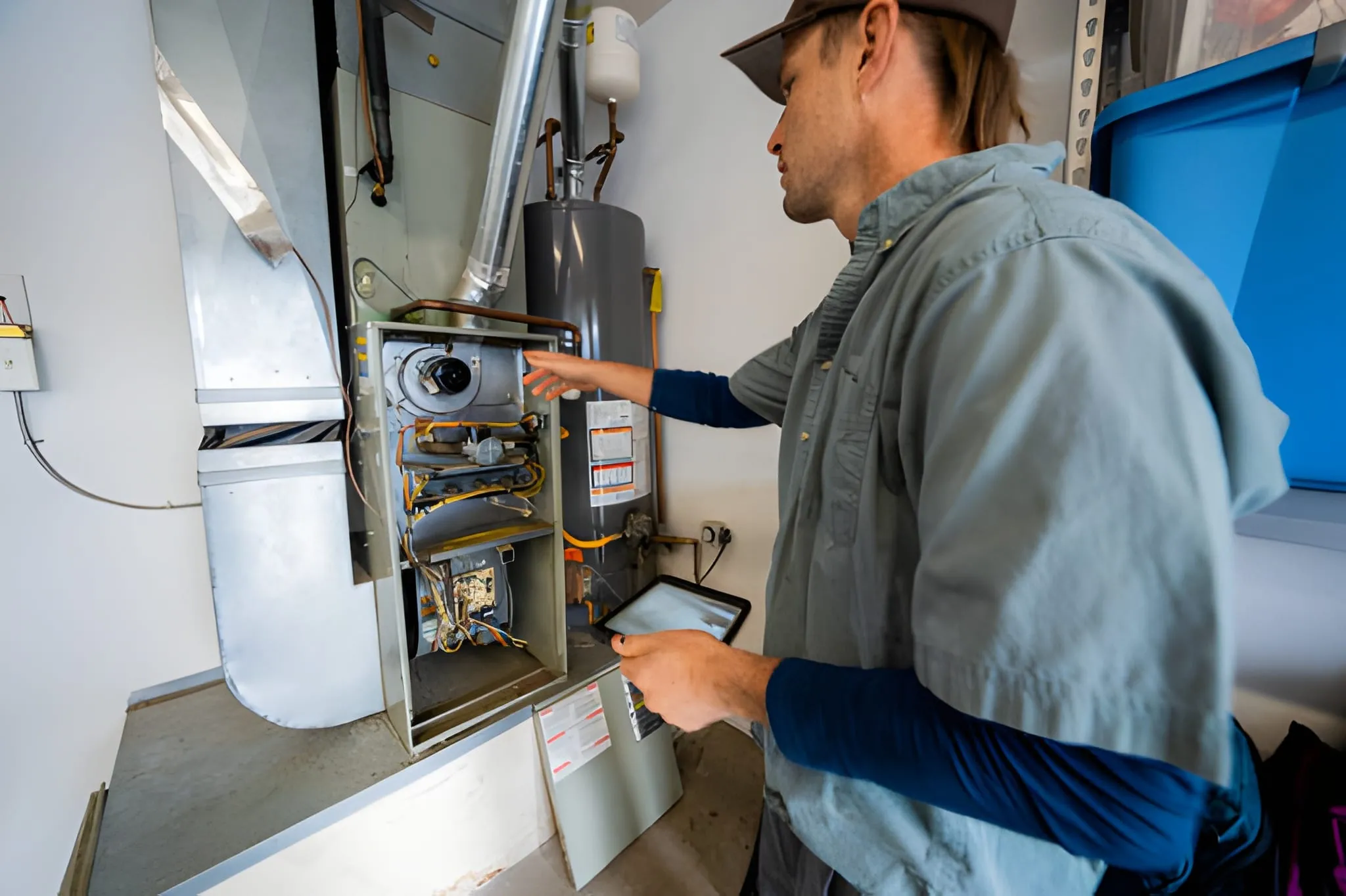
Furnace Repair in Odenton, MD
A reliable furnace is essential for Odenton, MD homes, where cold winters and damp transitional seasons make heating performance and safety top priorities. Professional furnace repair in Odenton, MD addresses sudden breakdowns, recurring failures, and safety concerns so your home stays comfortable and efficient.
Why timely furnace repair matters in Odenton, MD
- Winters around Odenton can bring prolonged cold spells where a failed furnace quickly becomes an urgent safety and comfort issue.
- Humidity and seasonal temperature swings in central Maryland increase stress on furnace components, making preventive diagnostics and fast repairs important.
- Ignoring warning signs can lead to higher energy bills, premature equipment failure, or safety hazards like carbon monoxide exposure.
Common furnace problems in Odenton homes
- Ignition or pilot failure: Faulty igniters, dirty pilot assemblies, or gas valve issues that prevent the furnace from lighting.
- Blower motor problems: No airflow, weak airflow, or loud noises caused by worn bearings, belt failure, or motor burnout.
- Control board faults: Error codes, intermittent operation, or complete control loss from failed electronics or power surges.
- Thermostat and sensor issues: Incorrect temperature readings, communication failures, or faulty limit switches that cause short cycling.
- Clogged filters and airflow restrictions: Reduced efficiency, overheating, and increased wear on fans and heat exchangers.
- Heat exchanger cracks: A serious safety concern that can cause combustion gas leaks and requires immediate attention.
- Gas valve or supply interruptions: Ignition problems linked to fuel delivery, including regulator or valve issues.
- Strange noises or odors: Rattling, banging, burning smells, or persistent new odors that indicate mechanical or electrical failure.
How a professional diagnostic works
A systematic diagnostic separates symptoms from root causes and helps produce a transparent repair plan:
- Initial assessment and symptom review - gather history on when and how the issue started.
- Safety checks - confirm the presence and function of carbon monoxide detectors and verify gas and electrical safety before further work.
- Visual inspection - check burners, heat exchanger, flue, wiring, and venting for obvious damage or debris.
- Ignition and combustion tests - evaluate igniter, pilot, gas valve operation, and combustion stability where needed.
- Electrical diagnostics - measure voltages, test control board outputs, and read error codes.
- Airflow analysis - inspect blower, ducts, filters, and registers for restrictions and motor performance.
- Combustion and venting inspection - ensure safe exhaust flow and look for signs of heat exchanger compromise.
- Transparent estimate - present repair options (repair vs parts replacement) with expected work scope and warranty implications.
Technicians in Odenton routinely explain diagnostics and provide clear, itemized estimates so homeowners understand the work required and why.
Typical repairs and solutions explained
- Ignition and pilot fixes: Replace or clean igniters, repair pilot assemblies, or address gas valve issues to restore reliable ignition.
- Blower motor repair or replacement: Rebuild or replace bearings, motors, or belts; balance fans to eliminate noise and restore airflow.
- Control board and electrical repairs: Replace faulty control modules, relays, or wiring harnesses and reprogram control parameters as needed.
- Heat exchanger evaluation and safety repairs: If cracks or corrosion are found, replacement is often the safe course; temporary measures focus on securing the area and preventing exposure to combustion gases.
- Thermostat and sensor replacement/calibration: Correct temperature sensing and communication to stop short cycling and improve comfort.
- Duct and airflow fixes: Clean or repair ducts, re-balance airflow, and replace filters to improve efficiency and reduce wear.
- Parts replacement policy considerations include matching OEM specifications where possible, explaining aftermarket options, and documenting manufacturer part numbers for warranty support.
Emergency and same-day repair options
During prolonged cold spells or sudden failures, same-day or emergency furnace repair becomes critical. Expect the following in emergency response:
- Priority triage to assess safety and determine whether the system can be restarted safely.
- Temporary measures to restore heat if a permanent fix is not immediately possible.
- Clear communication about the time and parts required for a full repair.
- Emergency response in Odenton often accounts for weather-related demand spikes and coordinates safety-focused diagnostics before any restart.
Safety inspections and preventive maintenance
Annual safety inspections before heating season reduce the risk of midwinter failures and safety hazards. A comprehensive inspection includes:
- Carbon monoxide testing and flue draft assessment
- Heat exchanger inspection for cracks or corrosion
- Burner and combustion efficiency checks
- Electrical and control system testing
- Filter, blower, and vent cleaning
- Routine maintenance improves efficiency, lowers operating costs, extends equipment life, and maintains manufacturer warranty compliance.
Warranty and brand expertise
- Many repairs involve components covered under manufacturer or parts warranties; documentation and serial numbers are important for warranty claims.
- Labor warranties vary by provider; understanding the length and coverage of labor guarantees helps set expectations.
- Local technicians in Odenton typically work across common residential brands such as Carrier, Trane, Lennox, Goodman, Rheem, Bryant, and others, providing experience-specific procedures for each brand’s control systems and parts.
What to prepare before a service visit
- Note the furnace model and serial number, error codes, and recent symptoms or noises.
- Clear access to the furnace area and ensure basements or closets are accessible.
- Have recent maintenance records available to help the technician assess past work.
- Ensure carbon monoxide detectors have fresh batteries and are functioning before and after service checks.
Q: How quickly can furnace repair typically be completed in Odenton, MD?
A: Most common repairs are completed within 1 to 3 hours; more complex jobs like heat exchanger replacement or major parts rebuilds may require longer or a return visit for parts.
Q: Are emergency and same-day furnace repair services available during cold snaps?
A: Service providers in the Odenton area commonly offer emergency triage and same-day response, prioritizing safety and temporary heat restoration when needed.
Q: What are signs that a furnace problem is a safety issue rather than just a comfort issue?
A: Signs include persistent burning odors, visible rust or cracks on the heat exchanger, yellow burner flames, carbon monoxide alarm activation, or strong gas smells; these require immediate evaluation.
Q: Will replacing parts void my furnace warranty?
A: It depends on the manufacturer warranty terms and whether OEM parts are used; keeping records and matching manufacturer specifications helps preserve warranty coverage.
Q: How often should a furnace be professionally inspected in Odenton homes?
A: An annual inspection, ideally before the heating season, is recommended to maintain efficiency, safety, and warranty compliance.

Service areas
