

Furnace Service in Laurel, MD
A reliable furnace keeps your Laurel, MD home safe and comfortable through cold snaps and the damp, chilly days that often accompany Mid-Atlantic winters. Whether you need a seasonal inspection, a fast diagnostic for a sudden no-heat condition, a full replacement, or routine maintenance to extend equipment life, Tario HVAC provides professional furnace service that addresses performance, safety, and efficiency concerns for gas and electric systems common to Laurel homes.
.webp)
Furnace Service in Laurel, MD
A reliable furnace keeps your Laurel, MD home safe and comfortable through cold snaps and the damp, chilly days that often accompany Mid-Atlantic winters. Whether you need a seasonal inspection, a fast diagnostic for a sudden no-heat condition, a full replacement, or routine maintenance to extend equipment life, professional furnace service addresses performance, safety, and efficiency concerns for gas and electric systems common to Laurel homes.
What furnace services are available in Laurel, MD
- Inspections and tune ups: Comprehensive pre-season inspections to verify safe operation, clean components, and optimize efficiency.
- Diagnostics: Systematic troubleshooting to identify root causes of failures, intermittent problems, and performance loss.
- Repairs: Targeted repairs for ignition, burners, heat exchangers, blower motors, control boards, and duct-related issues.
- Installations and replacements: Sizing, removal, and installation of new furnaces and compatible indoor air quality equipment.
- Routine maintenance plans: Recurring service visits for filter replacement, safety checks, and prioritized scheduling.
- Emergency response: Rapid evaluation and temporary measures to restore heat safely during urgent outages.
Brands and equipment commonly serviced
Technicians in the Laurel area regularly work on major residential furnace brands and models, including:
- Carrier
- Trane
- Lennox
- Goodman
- Rheem
- Bryant
- York
- American Standard
- Amana
Work on both gas and electric furnaces, high-efficiency condensing units, and older packaged systems is standard practice. Technicians can also evaluate compatibility with thermostats, zoning systems, and air cleaners.
Typical service process
- Initial assessment: Verify reported symptoms and inspect visible components and vents for obvious issues.
- Safety checks: Confirm combustion safety, gas line integrity, and check carbon monoxide risk before deeper work.
- Diagnostics: Use meters and system codes to isolate the fault, test airflow, ignition sequence, and electrical components.
- Estimate and options: Explain findings, outline repair options or replacement considerations, and describe expected outcomes.
- Repair or install: Perform repairs with manufacturer-approved parts or complete a properly sized installation following local codes.
- Testing and documentation: Run the system through several cycles, check efficiency, and provide a service summary for records.
This structured approach minimizes repeat visits and helps prevent recurring failures by addressing root causes rather than symptoms.
Common furnace problems in Laurel homes and how they are solved
- No heat or intermittent heating: Causes include thermostat failures, ignition or pilot issues, or blocked gas supply lines. Solutions begin with diagnostic checks of controls and ignition components.
- Short cycling: Frequently caused by improper sizing, clogged filters, or overheating. Technicians check airflow, filters, and safety switches, and recommend corrective maintenance or system adjustments.
- Uneven heating or cold rooms: Duct leaks, blocked vents, or imbalanced airflow are typical. Services include duct sealing, register adjustments, and airflow diagnostics.
- Strange noises: Rattling, banging, or squealing usually indicate loose panels, failing motors, or belt issues. Component-level inspection and repair restore quiet operation.
- Poor efficiency and rising energy bills: Dirty burners, failing heat exchangers, or aging components reduce output. Tune ups and system component replacement can restore efficiency.
- Ignition failures and flame sensor problems: Cleaning or replacing sensors and checking gas pressure resolves common startup issues.
- Carbon monoxide concerns: Cracked heat exchangers or blocked flues can lead to CO intrusion. Immediate safety checks and corrective measures are critical to protect occupants.
Emergency response and safety considerations
Laurel experiences occasional cold snaps where emergency heating is essential. Emergency furnace service practitioners prioritize safety first: isolating gas supply when needed, performing combustion analysis, and providing temporary safe heating solutions when complete repairs cannot be performed immediately. Homes should maintain working carbon monoxide detectors on each level and near bedrooms. During any suspected CO event or strong gas smell, evacuate the home and have a qualified professional perform a safety inspection before reoccupying.
Maintenance recommendations for longevity and performance
- Schedule an annual furnace inspection and tune up before heating season begins. This reduces unexpected failures in the coldest months.
- Replace or clean filters regularly; many homes benefit from monthly checks during heavy use seasons and higher-efficiency filters every 3 months.
- Keep vents and returns clear and maintain attic and basement vents free of debris to preserve airflow.
- Consider a maintenance plan that includes priority scheduling and seasonal checks to prolong equipment life and maintain warranty compliance.
Why timely furnace service matters in Laurel, MD
Laurel’s winter conditions and the mix of newer subdivisions and older homes create diverse furnace needs. Moisture and seasonal temperature swings can accelerate corrosion and component wear. Proactive inspections and timely repairs keep systems running efficiently, reduce energy waste, and prevent emergency failures when temperatures drop. Proper installation and regular maintenance also support indoor comfort and household safety over the long term.
FAQs
Q: How often should I have my furnace inspected?
A: Annual inspections before the heating season are recommended; more frequent checks may be needed for older systems or homes with high usage.
Q: How do I know if my furnace needs repair or replacement?
A: Consider repair if issues are isolated and the unit is relatively new with a good service history. Replacement is often more cost effective when repairs are frequent, the system is over 15 years old, or efficiency and safety are compromised.
Q: Are high-efficiency furnaces worth it in Laurel, MD?
A: High-efficiency units can lower energy costs and improve comfort, especially in homes with long heating seasons or tight budgets for utility bills. Payback depends on usage patterns and fuel costs.
Q: What safety checks should be included in a furnace inspection?
A: Safety checks commonly include combustion analysis, CO testing, inspection of the heat exchanger, gas line/leak checks, proper venting, and verification of safety controls.
Q: Can poor indoor air quality affect my furnace performance?
A: Yes. Dirty filters, clogged ductwork, and restricted airflow reduce efficiency, increase wear, and can cause overheating or short cycling. Regular cleaning and filter maintenance help both air quality and system longevity.

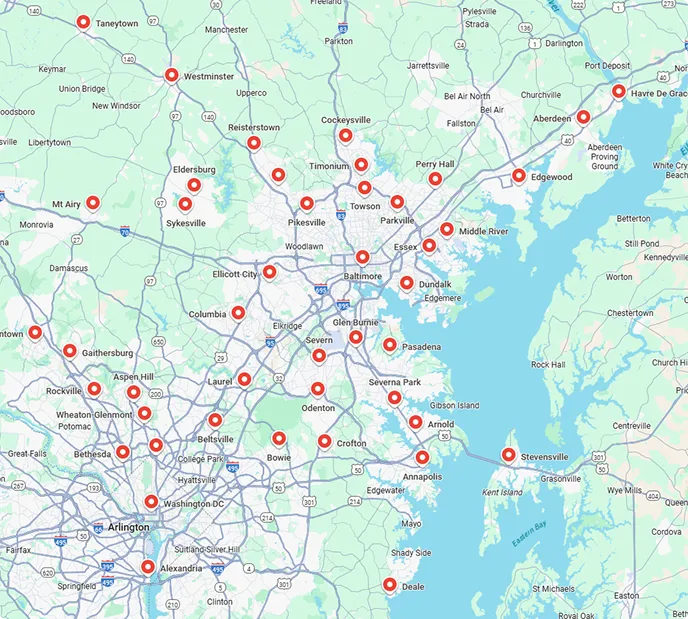
Service areas