



Furnace Maintenance in Laurel, MD
Keeping your furnace in top condition is critical for reliable winter comfort and energy efficiency in Laurel, MD. With cold snaps, humidity swings, and seasonal dust and pollen from nearby green spaces, furnaces here face conditions that can reduce performance and increase wear. Tario HVAC offers comprehensive furnace maintenance that protects your home, lowers operating costs, and extends equipment life by catching small problems before they become costly failures.
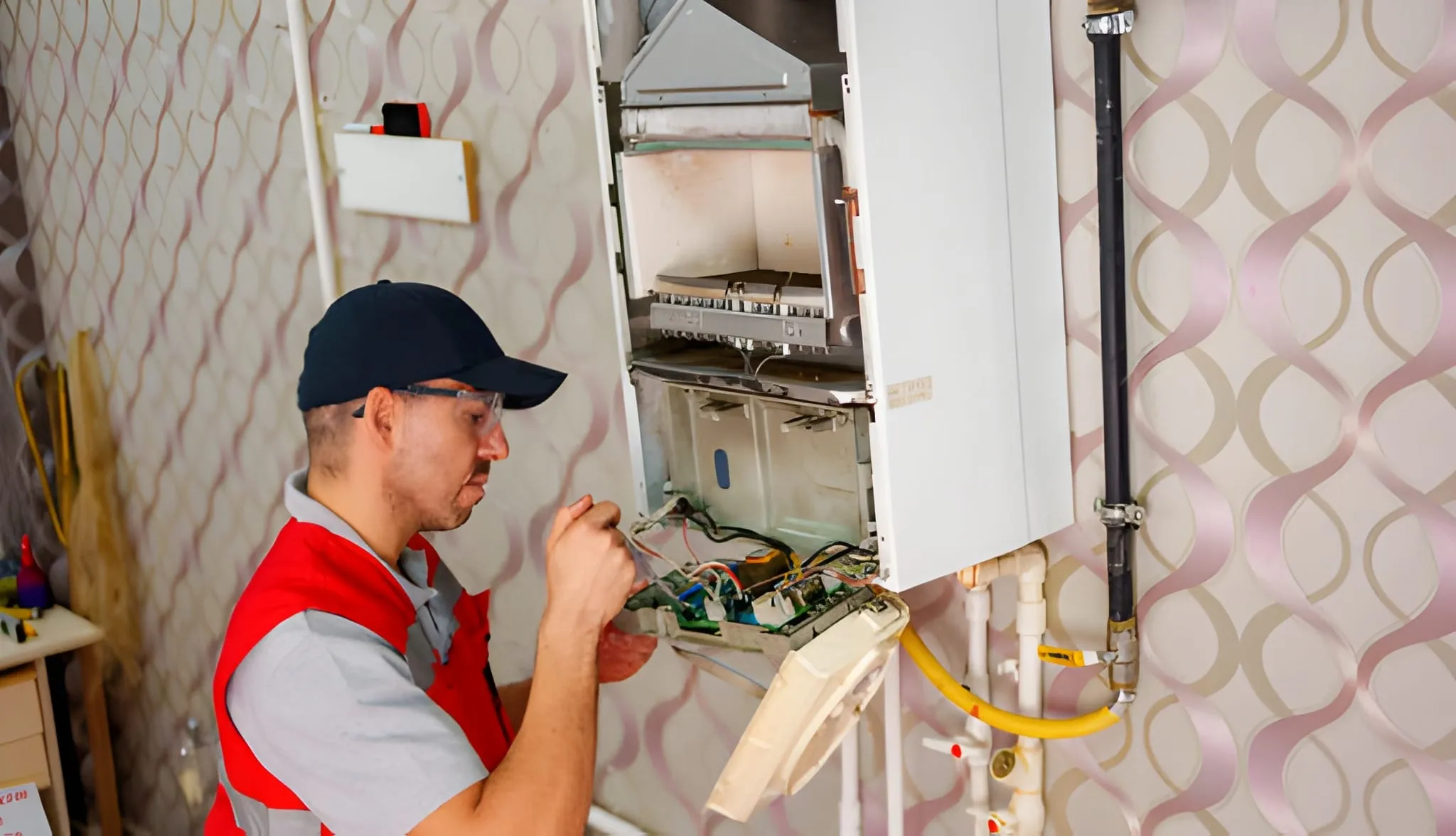
Furnace Maintenance in Laurel, MD
Keeping your furnace in top condition is critical for reliable winter comfort and energy efficiency in Laurel, MD. With cold snaps, humidity swings, and seasonal dust and pollen from nearby green spaces, furnaces here face conditions that can reduce performance and increase wear. Comprehensive furnace maintenance protects your home, lowers operating costs, and extends equipment life by catching small problems before they become costly failures.
Why regular furnace maintenance matters in Laurel, MD
Homes in Laurel experience cold winters and variable humidity in shoulder seasons. That means furnaces cycle frequently, components corrode faster in humid air, and particulate buildup from seasonal pollen and dust can restrict airflow. Regular maintenance reduces the risk of breakdowns during peak heating periods, improves comfort in older homes with uneven heating, and reduces the chance of safety issues like carbon monoxide leaks.
Common furnace problems in Laurel, MD homes
- Reduced heat output and uneven room temperatures
- Short cycling that increases energy use and wear
- Noisy operation from loose or worn parts
- Ignition or pilot system failures
- Clogged filters and restricted airflow
- Corroded burners and flue components from humidity exposure
- Elevated carbon monoxide or combustion inefficiency due to uninspected heat exchangers
Seasonal service offerings and recommended schedule
- Fall pre-winter tune-up: Full inspection and safety check before heavy use each heating season.
- Mid-season performance check: Optional inspection if the system shows symptoms like short cycling or strange noises.
- Spring shutdown check: Basic inspection after winter to identify any damage and prepare for summer HVAC service.
- Filter subscription and seasonal filter replacement: Scheduled filter checks every 1 to 3 months depending on filter type and household conditions.
Recommended frequency
- Full professional tune-up: annually, each fall.
- Older systems or high-use households: consider biannual checks.
- Disposable filters: check monthly, replace every 1 to 3 months.
- High-efficiency or electronically controlled systems: annual calibration and inspection.
Professional furnace tune-up checklist
A complete tune-up focuses on safety, reliability, and efficiency. Typical items include:
- Filter inspection and replacement: Restore proper airflow and indoor air quality.
- Burner cleaning: Remove soot and deposits for better combustion and efficiency.
- Ignition and pilot system check: Verify reliable ignition and correct spark or pilot function.
- Heat exchanger inspection: Look for cracks or corrosion that can lead to dangerous carbon monoxide leaks.
- Combustion and carbon monoxide testing: Measure combustion efficiency and ensure CO levels are safe.
- Flue and venting inspection: Confirm clear, secure venting to prevent backdraft and ensure proper exhaust.
- Blower motor and blower wheel cleaning and lubrication: Improve airflow and reduce motor strain.
- Thermostat calibration and control checks: Ensure accurate temperature control and proper cycling.
- Electrical checks and safety controls: Inspect wiring, relays, limit switches, and safety interlocks.
- Airflow and static pressure measurement: Identify duct restrictions and imbalances that reduce comfort and efficiency.
- System performance report: Provide a summary of measured efficiency, recommended repairs, and priority items.
Performance and efficiency testing explained
- Combustion analysis: A combustion test measures flame quality and fuel-to-air ratio to confirm efficient burning and optimal fuel usage.
- Carbon monoxide monitoring: A digital CO test verifies there are no dangerous leaks from the heat exchanger or venting.
- Airflow testing: Measuring supply and return airflow identifies blockages, undersized filters, or fan problems that cut efficiency.
- Static pressure checks: These detect duct system issues that make the furnace work harder to distribute heat.
- Thermostat accuracy test: Ensures desired temperature matches actual room temperature and checks control response times.
Each test produces actionable data that informs adjustments and prioritized repairs to restore safe, efficient operation.
Service agreements and membership plans
Membership plans typically bundle annual tune-ups with perks that provide predictable preventive care:
- Scheduled annual inspections and seasonal tune-ups
- Priority scheduling for service calls during peak seasons
- Waived or reduced diagnostic fees for covered visits
- Discounts on parts and labor for repairs identified during maintenance
- Filter replacement scheduling and reminders
- Seasonal performance reports documenting system condition and recommended next steps
These plans reduce the chance of emergency breakdowns, help budget for maintenance, and keep equipment running near peak efficiency.
How preventive furnace maintenance extends equipment lifespan
Regular maintenance reduces stress on key components. Clean burners, proper airflow, and correct combustion reduce fuel waste and mechanical wear. Calibration and lubrication prevent motors and controls from overheating or failing prematurely. Detecting small issues such as cracked heat exchangers or failing limit switches early reduces the risk of catastrophic failures that typically require full system replacement. Over time, routine care can add years of useful life to a furnace and preserve resale value for your home.
Practical tips for Laurel homeowners
- Replace or check filters monthly during heavy use months and after high pollen events.
- Keep the area around the furnace clear of clutter and flammable materials to ensure proper airflow and safe service access.
- Note unusual noises, odors, or fluctuations in heat and schedule a performance check before the next cold stretch.
- If your home contains older ductwork, consider a duct inspection during the tune-up to improve balance and reduce energy loss.
Long-term benefits and maintenance advice
Consistent, professional furnace maintenance improves comfort, reduces energy bills, and lowers the likelihood of emergency repairs during the coldest days. In Laurel, MD where winters are cold and humidity shifts affect equipment, preventive care is one of the most effective investments you can make to protect your home and extend the life of your heating system. Regular inspections and seasonal tune-ups keep systems running safely and efficiently year after year.
Q: How often should I schedule furnace maintenance in Laurel, MD?
A: Schedule a professional tune-up annually each fall before heavy winter use; consider biannual checks for older or high-use systems and check filters every 1 to 3 months.
Q: What does a standard fall furnace tune-up include?
A: A standard tune-up includes filter replacement, burner cleaning, ignition and safety checks, heat exchanger inspection, combustion and carbon monoxide testing, blower and electrical checks, thermostat calibration, and airflow testing.
Q: Will maintenance improve my furnace efficiency?
A: Yes. Cleaning, calibration, and proper airflow restore lost efficiency, improving comfort and lowering fuel costs compared to an unmaintained system.
Q: Are safety inspections part of a maintenance visit?
A: Yes. Safety checks typically include heat exchanger inspection, carbon monoxide testing, flue and vent inspections, and verification of safety controls.
Q: Should I replace my furnace before it fails if maintenance reveals multiple issues?
A: If ongoing repairs are frequent and efficiency is low, maintenance findings can help determine whether replacement will be more cost effective than continued repairs.

Service areas
