

Furnace Service in Alexandria, VA
Keeping your home warm and safe through Alexandria winters means having a reliable furnace and a service partner who understands local conditions. At Tario HVAC, our full-service furnace offerings cover repair, maintenance, installation, emergency response, service plans, parts availability, technician qualifications, and customer support processes to deliver year-round heating reliability for Alexandria homeowners. We'll explain what to expect, common local issues, the diagnostic and repair process, and how regular care protects comfort and safety.
.webp)
Furnace Service in Alexandria, VA
Keeping your home warm and safe through Alexandria winters means having a reliable furnace and a service partner who understands local conditions. Our full-service furnace offerings cover repair, maintenance, installation, emergency response, service plans, parts availability, technician qualifications, and customer support processes to deliver year-round heating reliability for Alexandria homeowners. This page explains what to expect, common local issues, the diagnostic and repair process, and how regular care protects comfort and safety.
Why specialized furnace service matters in Alexandria, VA
Alexandria experiences cold snaps, coastal humidity, and older housing stock that can stress heating systems. Salt air and higher humidity accelerate corrosion on outdoor components and venting. Historic and retrofit homes often have older ductwork or mixed heating systems that require careful sizing and transition planning. That local context means routine inspections and preventive maintenance are more valuable here than in milder, drier climates.
Common furnace problems in Alexandria homes
- Uneven heating or weak airflow in older or poorly insulated homes
- Short cycling caused by dirty filters, thermostat issues, or refrigerant imbalance in heat pump hybrids
- Pilot light or ignition failures in natural gas furnaces
- Corroded burners, heat exchanger cracks, and venting blockages from coastal moisture
- Strange noises from aging blower motors or loose duct connections
- Increased energy bills due to inefficient operation or failing components
- Safety concerns such as carbon monoxide leaks from cracked heat exchangers or improper venting
Types of furnace services offered
- Preventive maintenance and seasonal tune-ups
- Diagnostic repairs for mechanical, electrical, and combustion issues
- Complete furnace replacement and modern high-efficiency installations
- Emergency repair response for no-heat situations and safety risks
- Service plans and scheduled maintenance agreements for priority service
- Parts replacement and on-hand parts availability for common makes and models
- Post-service testing and safety verification, including combustion and CO checks
Diagnostic process: what a thorough inspection includes
A proper diagnosis begins with a visual and operational inspection, followed by targeted tests. Typical steps include:
- Visual safety check of vents, flues, and visible wiring
- Thermostat verification and temperature differential measurement
- Airflow assessment at registers and blower performance checks
- Filter inspection and immediate replacement if required
- Combustion analysis and heat exchanger inspection on gas furnaces to detect leaks or cracks
- Electrical testing of capacitors, relays, and control boards
- Evaluation of ductwork for leaks, insulation gaps, and balancing issues
- System performance test under load to confirm heating capacity and stable operation
Technicians document findings and explain needed repairs or options for replacement in plain language so you can weigh reliability and long-term value.
Repairs and solutions explained
Repairs focus on restoring safe, efficient operation and addressing the root cause rather than only symptoms. Common repairs include:
- Ignition and control board replacement for intermittent starts
- Blower motor servicing or replacement to restore airflow
- Heat exchanger repair when feasible or recommended replacement when compromised
- Burner cleaning and adjustment to improve combustion and reduce soot
- Vent and flue cleaning to prevent backdraft and maintain proper exhaust
- Duct sealing and balancing to fix cold rooms and reduce strain on the furnace
When replacement is recommended, technicians consider home size, insulation, ductwork condition, and fuel type. Proper sizing (Manual J) and correct venting are essential to maximize efficiency and system lifespan. High-efficiency models and properly sealed ducts often deliver measurable energy savings and improved comfort in Alexandria homes.
Emergency response and parts availability
No-heat situations and suspected carbon monoxide leaks are treated as high priority. Emergency response procedures include remote triage questions, expedited dispatch for safety risks, and prioritized diagnostics. A well-stocked parts inventory for common furnace models reduces repair time; when special-order parts are required, technicians provide timelines and interim safety measures where needed.
Technician qualifications and quality assurance
Effective furnace service relies on trained, licensed technicians who follow industry safety standards and local code requirements. Key qualifications include:
- NATE or similar certification for HVAC competency
- Gas appliance licensing and continuing education on combustion safety
- Experience with both modern high-efficiency systems and older equipment common in Alexandria
- Background checks and professional service protocols for in-home workTechnicians use checklists, digital reporting, and post-service testing to ensure repairs are complete and systems operate safely.
Service plans and predictable maintenance
Service plans offer scheduled maintenance visits, priority scheduling during cold snaps, and a consistent inspection routine that extends equipment life. Regular tune-ups typically include cleaning, filter changes, control testing, and performance tuning. In a coastal, humid environment like Alexandria, more frequent checks of venting and outdoor components help prevent corrosion-related failures.
Benefits of timely furnace service
- Improved reliability during peak heating needs and cold snaps
- Better energy efficiency and lower utility use from tuned combustion and airflow
- Extended equipment lifespan due to preventive repairs and proper operation
- Enhanced indoor air quality through filter management and duct care
- Reduced risk of safety issues, including carbon monoxide exposure
- Faster resolution of problems through planned service and parts readiness
Maintenance tips for Alexandria homeowners
- Replace or clean filters every 1 to 3 months during active use
- Keep outdoor vents and intake areas clear of debris and salt buildup
- Schedule an annual preseason furnace tune-up before cold weather arrives
- Test carbon monoxide detectors monthly and replace batteries as needed
- Seal and insulate accessible ductwork in basements and crawlspaces
- Note any change in sound or performance and schedule an inspection promptly
FAQs
Q: How often should I schedule furnace maintenance in Alexandria, VA?
A: Annual preseason maintenance is recommended, and more frequent checks can be beneficial for older systems or homes exposed to coastal humidity.
Q: What does a furnace tune-up include?
A: A tune-up typically includes filter inspection and replacement, burner and combustion cleaning, airflow checks, thermostat calibration, electrical component testing, and safety checks such as combustion analysis and CO testing.
Q: Can a damaged heat exchanger be repaired?
A: Minor issues may be repairable, but a cracked or compromised heat exchanger is a serious safety concern and often requires replacement for safe operation.
Q: Are emergency furnace services available during cold snaps?
A: Emergency response is prioritized for no-heat situations and suspected safety hazards, with field triage and expedited diagnostics to restore safe operation.
Q: How do I know if I should repair or replace my furnace?
A: Consider the system age, frequency and cost of repairs, energy efficiency, and safety findings. A technician can provide an objective assessment based on inspection and performance testing.
Q: Do service plans cover parts and labor?
A: Service plans vary; many include scheduled maintenance visits and priority scheduling. Coverage for parts and labor differs by plan and is documented in the service agreement.

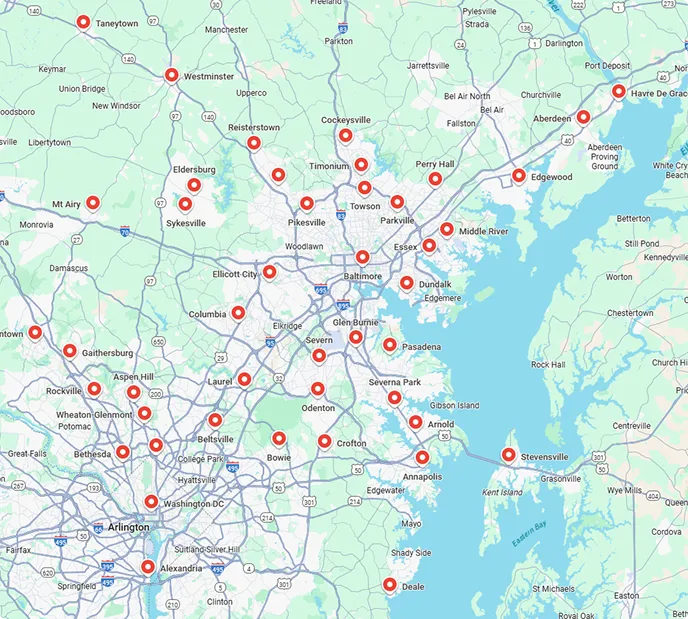
Service areas