

Furnace Repair in Alexandria, VA
Ensuring your furnace remains reliable throughout Alexandria's winters is crucial for both comfort and safety. Whether you reside in a historic Del Ray row house or a newer development near the Potomac, timely and professional furnace repair from Tario HVAC protects your family, prevents costly secondary damage, and extends your equipment's lifespan. We’re here to explain common furnace problems in Alexandria homes, detail how our technicians diagnose and repair them, discuss our expected response times and emergency options, and outline our parts and warranty practices. We also offer practical steps to help reduce the risk of future breakdowns.
.jpeg)
Furnace Repair in Alexandria, VA
Keeping your furnace reliable through Alexandria winters is essential for comfort and safety. Whether you live in a historic Del Ray row house or a newer development near the Potomac, timely, professional furnace repair protects your family, prevents costly secondary damage, and extends equipment life. This page explains common furnace problems in Alexandria homes, how technicians diagnose and repair them, expected response and emergency options, parts and warranty practices, and practical steps to reduce breakdown risk.
Why Alexandria homes need focused furnace care
Alexandria experiences chilly winters with occasional subfreezing stretches and high humidity at other times of year. Many local homes have older ductwork, compact basements, or mixed heating systems that increase strain on furnaces. Common regional factors that raise repair needs:
- Aging gas furnaces in historic homes with outdated components
- Clogged or undersized ducts from renovations or attic conversions
- Thermostat placement in sunlit or draft-prone rooms producing uneven cycling
- Salt and humidity effects on exterior condensate lines and flue components near the river
Understanding these local trends helps technicians target diagnostics and recommend durable, region-appropriate solutions.
Common furnace issues we diagnose
Professional repairs begin by identifying root causes. Typical problems seen in Alexandria homes include:
- Ignition and pilot problems
- Electronic igniters that fail to spark or glow
- Pilot lights that will not stay lit due to thermocouple or gas valve faults
- Blower motor and airflow issues
- Weak airflow from burned-out motors, faulty capacitors, or stuck blower wheels
- Blocked return vents or dirty filters restricting circulation
- Thermostat and control faults
- Incorrect calibration, wiring faults, or failed control boards
- Smart thermostat configuration issues after home networking changes
- Safety and combustion concerns
- Cracked heat exchangers, carbon monoxide risks, improper venting, or blocked flues
- Electrical and component failures
- Blown fuses, failed relays, worn belts, and faulty sensors
Diagnostic process: what happens during a service visit
A thorough furnace diagnostic follows a consistent, safety-first sequence:
Safety and preliminary check
- Visual inspection for obvious hazards, gas smell, or signs of combustion byproducts
- Confirm carbon monoxide alarms are functioning
Operational test
- Start-up sequence observation to replicate the fault and capture error codes
- Thermostat call for heat verification
Component checks
- Test ignition system, gas valve, burners, and flame pattern
- Inspect blower assembly, motor current draw, and airflow
- Verify control board operation and sensor readings
Ductwork and airflow assessment
- Check filters, registers, and return paths for blockages or leaks
Report and recommended repairs
- Clear explanation of findings, parts likely required, and repair steps
Technicians will perform non-invasive testing first and explain any necessary part replacements if they impact safety or reliable operation.
Troubleshooting: common fixes explained
- Ignition/pilot won't light
- Typical fixes: clean or replace electronic igniter, replace thermocouple, or service/replace the gas valve if faulty. Technicians also verify gas pressure and venting.
- Furnace starts but blower does not run
- Often resolved by replacing a failed motor capacitor, cleaning a seized blower wheel, or replacing a burned-out motor.
- Furnace cycles frequently or will not reach set temperature
- Causes include clogged filters, incorrect thermostat settings, short cycling due to overheating (dirty heat exchanger or restricted airflow), or poor duct balance.
- Thermostat not responding or reading incorrectly
- Simple fixes: recalibrate, replace batteries, correct wiring, or reconfigure smart thermostats. If control board signals are absent, further electrical diagnostics are performed.
Parts replacement practices and warranties
Professional repairs prioritize safety and longevity:
- Preference for OEM parts when available to maintain system compatibility and performance.
- High-quality aftermarket options may be used when OEM parts are unavailable, with full disclosure.
- Clear documentation of replaced parts and condition before replacement.
- Typical parts warranties include manufacturer coverage for the component and a technician labor warranty for a defined period. Expect transparency about warranty durations and what is covered.
Estimated response times and emergency options
- Standard service windows: same-day or next-business-day appointments are common for non-critical repairs, depending on scheduling and parts availability.
- Emergency repair options: urgent response for no-heat situations, suspected gas leaks, or suspected carbon monoxide exposure. Emergency response may include on-site stabilization (temporary fixes) and prioritized diagnostic work.
- For any smell of natural gas or signs of carbon monoxide (dizziness, headache, nausea, or alarm activation), leave the building immediately and contact emergency services. These conditions require immediate professional attention.
Technician qualifications and safety standards
Qualified technicians performing furnace repair in Alexandria should hold:
- State or local HVAC licensing where required
- EPA 608 certification for handling refrigerants when applicable
- Manufacturer training or NATE-style competency for gas furnace service
- Ongoing safety and combustion analysis training to detect heat exchanger or venting issues
Expect technicians to follow industry-standard safety checks, use combustion analyzers when indicated, and document findings.
Preventive maintenance tips to avoid breakdowns
Small routine actions reduce repair frequency and extend furnace life:
- Replace or clean filters every 1 to 3 months during heating season
- Schedule annual furnace tune-up in early fall to catch issues before peak use
- Keep vents and returns unobstructed, and ensure attic or crawlspace ducts are insulated and sealed
- Maintain proper thermostat placement, avoid drafts or direct sunlight on the control
- Insulate pipes and clear condensate lines if applicable
- Test carbon monoxide detectors monthly and replace batteries twice a year
Regular maintenance reduces emergency calls, improves efficiency, and preserves warranties.
Benefits of timely furnace repair
Prompt, professional furnace repair restores comfort quickly, prevents collateral damage (like frozen pipes or water damage from failed components), reduces energy waste, and protects indoor air quality. In Alexandria homes with older systems or unique duct layouts, targeted repairs and preventive adjustments deliver more consistent heat and lower long-term costs.
FAQ
Q: How quickly can a technician arrive for furnace repair in Alexandria?
A: Typical response times vary by season and demand; same-day or next-day service is common for non-emergencies, with prioritized emergency response available for no-heat conditions or safety concerns.
Q: What should I do if I smell gas or suspect carbon monoxide?
A: Leave the home immediately, move to a safe location, and contact emergency services. Do not operate switches, open flames, or use electronic devices that could ignite gas.
Q: Are replacement parts covered by a warranty?
A: Most parts come with a manufacturer warranty and technicians often provide a labor warranty for a defined period. Always ask for documentation of the warranty terms for parts and labor.
Q: How often should I schedule furnace maintenance?
A: Annual maintenance before the heating season is recommended. Homes with older equipment or heavy use may benefit from biannual checks.
Q: Can thermostat problems make my furnace appear to be broken?
A: Yes. Faulty thermostats, incorrect settings, or wiring issues can prevent a furnace from starting or cause short cycling. Thermostat checks are a standard part of diagnostics.

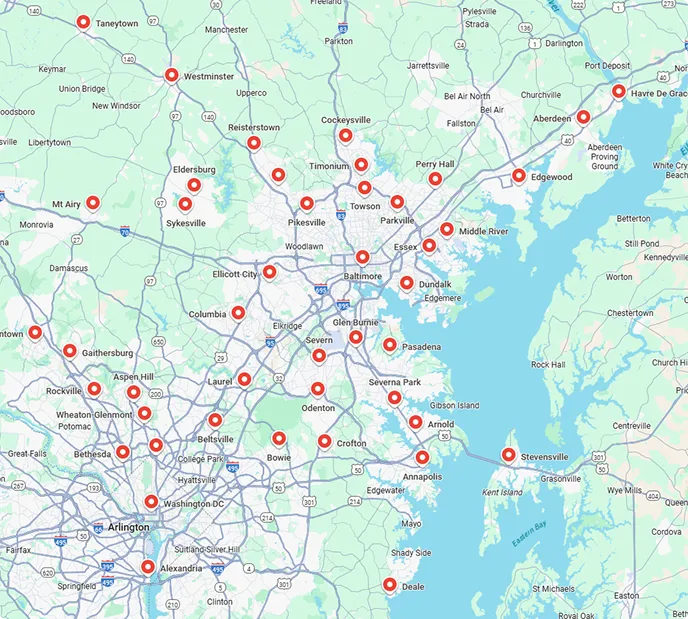
Service areas