

Furnace Replacement in Beltsville, MD
Replacing a furnace in Beltsville, MD is a major home investment that directly affects comfort, energy bills, and indoor air quality. Homes in Beltsville face cold winters and humid summers, so choosing the right heating system and installing it correctly matters for year-round performance and cost control. Tario HVAC explains how to recognize the need for a new furnace, how replacements are sized and selected, what the installation process looks like, permitting and code concerns in the area, financing and rebate pathways, and the long-term benefits of a properly matched, efficient system.
.webp)
Furnace Replacement in Beltsville, MD
Replacing a furnace in Beltsville, MD is a major home investment that directly affects comfort, energy bills, and indoor air quality. Homes in Beltsville face cold winters and humid summers, so choosing the right heating system and installing it correctly matters for year-round performance and cost control.
Signs you need a new furnace
- Frequent breakdowns or rising repair frequency after several service calls.
- Furnace short-cycling or running constantly without reaching set temperature.
- Uneven heating between rooms or persistent cold spots in Beltsville homes.
- Noticeably higher utility bills in winter despite similar usage patterns.
- Yellow or irregular pilot flame on gas furnaces, or visible rust and corrosion.
- Furnace age: most forced-air furnaces older than 15 to 20 years will be less efficient and may be candidates for replacement.
Recognizing these signs early helps avoid emergency failures during cold stretches and allows time to choose a system that improves efficiency and comfort.
Energy-efficiency and proper sizing
Efficiency ratings and correct sizing are central to a successful replacement. Key points:
- Efficiency: Look at AFUE for furnaces and Seasonal Energy Efficiency metrics for alternate systems. Higher efficiency reduces fuel consumption and lowers winter bills over time, but the best choice depends on your usage patterns and local fuel costs.
- Sizing: Proper sizing is based on a heat load calculation that considers Beltsville climate, home square footage, insulation levels, window types, air infiltration, and duct condition. Oversized units can short-cycle and reduce comfort; undersized units will run constantly and fail to reach temperature.
- Ductwork: Leaky or poorly sized ductwork reduces performance. A replacement assessment should include duct evaluation and any recommended sealing or reconfiguration.
Comparing system types and brands
Common system options for Beltsville homes include:
- High-efficiency gas furnaces: Most common for cold winters. Pros: strong heating capacity and lower operating costs when natural gas rates are favorable. Cons: require proper venting and combustion air.
- Heat pumps and cold-climate heat pumps: Efficient for year-round heating and cooling, especially effective with milder winter days and when paired with electric cooling. Modern cold-climate models can handle lower temperatures more efficiently than older heat pumps.
- Dual-fuel systems: Combine heat pump and gas furnace to optimize efficiency across seasons by switching fuels based on outside temperature.
- Electric furnaces: Simpler equipment with lower upfront cost but typically higher operating costs in heating-dominant climates.
Brand selection should focus on reliability, local service availability, warranty structure, and parts accessibility. In Beltsville, choosing brands with strong regional service networks helps ensure timely maintenance and warranty support.
Removal of the old unit and installation timeline
Typical steps in a replacement project:
- Pre-install inspection and load calculation.
- Disconnect utilities and safely remove existing unit, including handling of venting, gas lines, and electrical connections.
- Prepare the installation site, which may include minor framing, pad or platform adjustments, and duct or vent modifications.
- Install the new furnace, connect gas, flue, condensate, and electrical lines, and integrate controls and thermostats.
- Start-up, system balancing, safety checks, and demonstration of operation.
A straightforward like-for-like replacement may be completed within a day or two. More extensive upgrades that include ductwork, structural adjustments, or conversion between system types may take several days. Weather, permitting, and equipment lead times can affect scheduling.
Permitting, inspections, and code compliance
Furnace replacements in Beltsville must comply with local building codes, gas and mechanical codes, and permit requirements. Typical requirements:
- A mechanical permit and inspection to verify safe installation, proper venting, combustion air, and clearances.
- Gas line and pressure tests for gas-fired equipment.
- Electrical connections that meet local codes, including dedicated circuits and proper disconnects.
- Compliance with energy efficiency standards and local regulations for installations in the county.
Working with technicians who are familiar with Prince George’s County permitting processes reduces delays and ensures the installation passes inspection on the first attempt.
Financing and rebate options
Replacement costs vary with system type, capacity, installation complexity, and ancillary work such as duct repair. Homeowners should ask about:
- Financing plans or payment options to spread investment over time.
- Local and federal rebate opportunities, efficiency incentives, or utility programs that reward high-efficiency equipment or qualifying upgrades.
- Manufacturer and extended warranty options that can protect the investment.
Eligibility for rebates often depends on equipment efficiency ratings and proper installation documentation, so keep receipts and permit records.
What affects price and project scope
Costs are influenced by:
- Equipment efficiency and model choice.
- Complexity of replacing venting, flue, or gas lines.
- Need for ductwork repair, sealing, or redesign.
- Electrical upgrades or thermostat and control integrations.
- Accessibility of the old unit and site preparation requirements.
A comprehensive on-site assessment yields the most accurate scope and estimate tailored to a specific Beltsville property.
Long-term benefits and maintenance
Replacing an outdated furnace delivers several lasting benefits:
- Improved comfort with more consistent temperatures and reduced drafts.
- Lower heating bills through higher efficiency and properly sized equipment.
- Better indoor air quality with modern filtration options and reduced risk of combustion-related issues.
- Reduced breakdowns and maintenance surprises, especially during cold snaps.
Routine maintenance after replacement—such as annual inspections, filter changes, and periodic duct checks—keeps warranties valid and efficiency high.
Maintenance tips for Beltsville homes
- Change or clean filters regularly, especially during peak heating seasons.
- Schedule an annual tune-up before winter to check combustion, heat exchanger integrity, and safety controls.
- Seal and insulate accessible ducts in unconditioned spaces to prevent heat loss.
- Monitor thermostat schedules and consider smart control to optimize comfort and energy use.
Frequently asked questions
Q: How do I know whether to repair my old furnace or replace it?
A: If repairs are becoming frequent, the unit is more than 15 years old, efficiency is low, or comfort problems persist after fixes, replacement often provides better long-term value. A heat load assessment and an honest evaluation of repair costs versus expected lifespan help inform the decision.
Q: How long does a furnace replacement usually take in a typical Beltsville home?
A: A direct like-for-like swap can often be completed in one to two days. Jobs requiring duct modifications, structural work, or permit delays may take several days. Weather and equipment availability can also affect timing.
Q: Will I need a permit for furnace replacement?
A: Yes. Most replacements require a mechanical permit and an inspection to confirm compliance with local codes for gas, venting, and electrical work. Licensed professionals handle permits and ensure installations meet county requirements.
Q: Can a heat pump work in Beltsville winters?
A: Modern cold-climate heat pumps perform well in Beltsville and can be an efficient option, especially when temperatures are moderate. In areas with prolonged very low temperatures, dual-fuel setups or supplemental heating strategies may be recommended for optimal comfort and efficiency.
Q: How can I maximize energy savings after a new furnace is installed?
A: Ensure correct sizing and high-efficiency equipment, seal and insulate ducts, use a programmable or smart thermostat, maintain regular tune-ups, and improve home insulation and air sealing to reduce overall load.

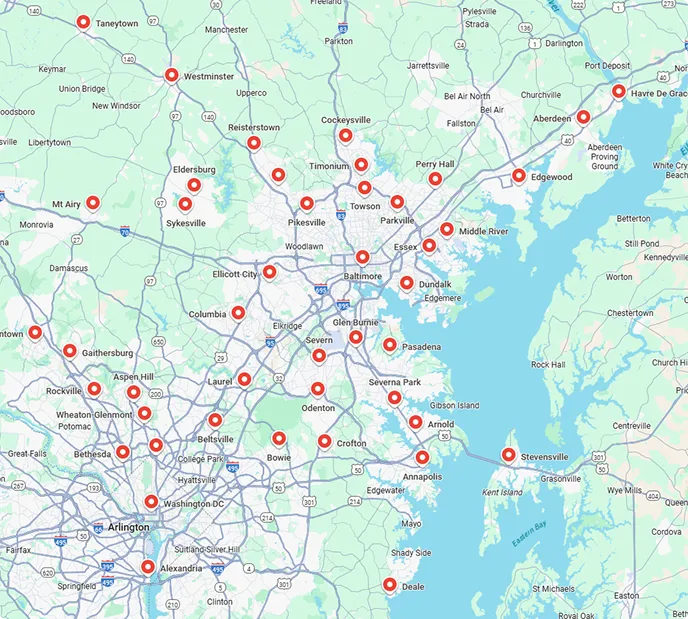
Service areas