

Furnace Maintenance in Beltsville, MD
Keeping your furnace in peak condition is essential in Beltsville, MD, where cold winters and heavy seasonal use put real demands on home heating systems. Tario HVAC provides regular furnace maintenance that reduces the chance of midwinter failures, improves energy efficiency in older suburban homes, and helps protect indoor air quality in the region’s humid climate. A professional maintenance visit from Tario HVAC includes comprehensive checks, ensuring your annual service matters. We address common local issues and explain how our maintenance plans can protect your investment and prevent costly breakdowns.

Furnace Maintenance in Beltsville, MD
Keeping your furnace in peak condition is essential in Beltsville, MD, where cold winters and heavy seasonal use put real demands on home heating systems. Regular furnace maintenance reduces the chance of midwinter failures, improves energy efficiency in older suburban homes, and helps protect indoor air quality in the region’s humid climate.
Why routine furnace maintenance matters in Beltsville, MD
Beltsville experiences cold snaps and prolonged heating seasons that increase system runtime. Longer run times accelerate wear on moving parts, allow dust and pollen to build up in return ducts, and can expose aging heat exchangers or burners to corrosive humidity. Timely maintenance:
- Restores efficient operation to lower energy use during the heating season.
- Reduces the risk of sudden failures on the coldest days.
- Identifies small safety or performance issues before they become expensive repairs.
- Helps maintain manufacturer warranties by documenting annual service.
Typical furnace maintenance checklist
A thorough seasonal inspection and tune-up follows a consistent checklist so nothing is missed. A typical visit includes:
- Filter inspection and replacement - Check filter type and replace or recommend upgrade to reduce dust and improve airflow.
- Burner and heat exchanger inspection - Look for cracks, corrosion, improper flame patterns, and signs of incomplete combustion.
- Blower assembly cleaning - Clean blower wheel and housing to restore airflow and correct motor load.
- Safety controls and limit switch testing - Verify safe operation of high limit switches, rollout switches, and other safety interlocks.
- Thermostat calibration and control checks - Ensure temperature control is accurate and communicates properly with the system.
- Electrical connections and capacitors - Tighten, test, and inspect wiring, relays, and capacitors to prevent intermittent failures.
- Pilot or ignition system check - Confirm reliable ignition, correct flame sensing, and consistent operation.
- Flue and vent inspection - Verify the exhaust path is clear and venting is correct to prevent carbon monoxide buildup.
- Lubrication of moving parts - Lubricate motors and bearings where applicable to reduce friction and noise.
- System performance test - Measure operating pressures, temperatures, and combustion where appropriate to confirm safe and efficient performance.
- Carbon monoxide screening - Conduct a CO check near the furnace and in occupied spaces to detect harmful leaks.
How maintenance prevents costly breakdowns
Small issues escalate into major repairs when ignored. Restricted airflow from a dirty filter or blower increases heat exchanger stress and overheating, which can lead to cracks. Loose electrical connections or failing capacitors often cause motors to overwork and burn out. Regular inspections catch these trends early so components are serviced or replaced on a planned timetable rather than during a sudden emergency in colder weather. For Beltsville homes, this reliability is especially important when temperatures fall and furnace demand peaks.
Maintenance plans and agreements
Maintenance agreements provide a predictable, organized approach to furnace care:
- Scheduled annual visits timed before the heating season to ensure readiness.
- Priority scheduling during peak season and documented service history for warranty and resale value.
- Discounted diagnostic or repair rates included in many plans to reduce unexpected costs.
- Reminder services and records so maintenance never gets skipped and performance trends are tracked year to year.Plans are typically tailored to system age and household needs; older systems or homes with pets and allergies may benefit from more frequent filter service or semiannual checks.
Recommended frequency and special considerations
- Annual professional inspection and tune-up is recommended for most furnaces, performed before the start of the heating season.
- Filter checks: Inspect monthly. Replace or upgrade filters based on type, household occupancy, pets, and indoor air quality needs.
- Older systems or heavy-use households: Consider semiannual checks or a plan that includes combustion testing and more frequent filter changes.
- Ductwork and indoor air: In Beltsville’s older neighborhoods, leaky or dirty ducts reduce efficiency and indoor air quality. Request duct inspection and sealing as part of comprehensive maintenance when applicable.
What to expect during a professional visit
A trained technician will arrive prepared to inspect and tune your furnace according to the checklist above. Expect a systematic review of filters, burners, blowers, safety controls, and vents. The technician will document findings, explain any recommended repairs in plain language, and provide a summary of system condition and suggested next steps. When performance tests are run, results are interpreted in terms of safety, efficiency, and remaining useful life so you can make informed decisions on repairs or replacement planning.
Local factors that affect furnace performance in Beltsville
- Climate: Cold winters and humidity can accelerate corrosion and buildup on combustion components. Proper venting and combustion checks are essential.
- Housing stock: Many Beltsville homes are older or have mixed duct conditions; tight or poorly insulated ductwork increases run time and maintenance needs.
- Air quality: Local pollen and seasonal particulates can clog filters faster; homes with allergies often need higher-efficiency filters and more frequent service.
Long-term benefits of regular maintenance
Consistent furnace maintenance yields measurable benefits over the life of your system:
- Improved energy efficiency and lower monthly energy usage during the heating season.
- Fewer unexpected breakdowns and less stress on household routines.
- Longer equipment life and delayed need for premature replacement.
- Enhanced safety and reduced risk of carbon monoxide incidents.
- Better indoor comfort through even heating and consistent thermostat performance.
FAQs
Q: How often should I schedule furnace maintenance in Beltsville, MD?
A: Schedule a professional inspection and tune-up annually before the heating season; check filters monthly and replace as needed. Homes with older systems or heavy use may benefit from semiannual service.
Q: Will maintenance reduce my heating bills?
A: Yes. Cleaning, calibrating, and replacing worn parts restore efficient operation so the furnace uses less fuel to maintain comfort.
Q: What is included in a standard furnace tune-up?
A: A standard tune-up includes filter inspection/replacement, burner and heat exchanger checks, blower cleaning, testing of safety controls, thermostat calibration, vent and flue inspection, and performance testing.
Q: Can maintenance prevent carbon monoxide leaks?
A: Regular inspection of the heat exchanger, combustion process, and venting significantly reduces the risk of carbon monoxide leaks by identifying cracks, improper combustion, or blocked exhaust.
Q: Do maintenance plans help with unexpected repairs?
A: Maintenance plans typically include scheduled visits, service records, and may offer benefits like priority scheduling and reduced repair rates, which helps manage unexpected repairs more predictably.

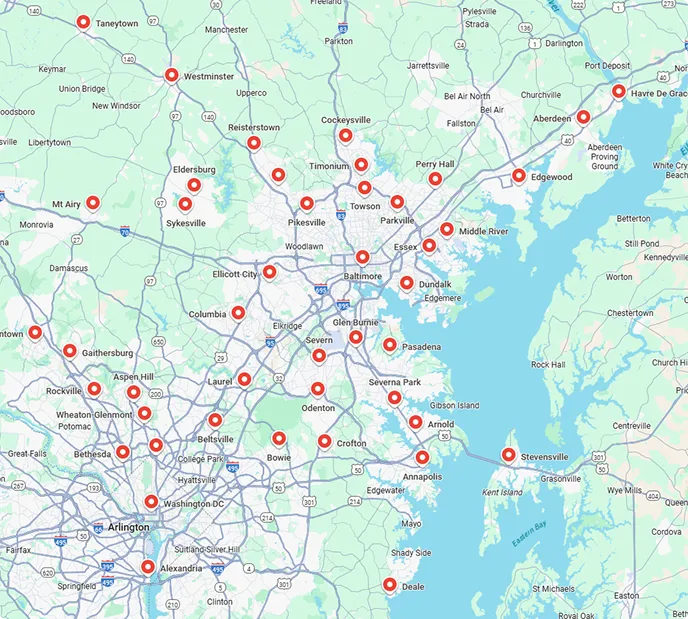
Service areas