

Furnace Repair in Wheaton, MD
Keeping your furnace operating reliably is absolutely essential in Wheaton, MD, especially since cold winter temperatures place such heavy demand on both home and commercial heating systems. Whether you're managing a single-family home, an older brick rowhouse, or a suburban commercial property, timely furnace diagnostics and repairs from Tario HVAC can prevent costly downtime, significantly reduce safety risks, and extend your equipment's life. We'll explain common furnace faults we see in Wheaton homes, walk you through our diagnostic and repair process, discuss expected timelines, perform thorough safety inspections, cover warranty and parts considerations, and offer practical maintenance advice.
.jpeg)
Furnace Repair in Wheaton, MD
Keeping your furnace operating reliably is essential in Wheaton, MD, where cold winter temperatures place heavy demand on home and commercial heating systems. Whether you manage a single-family home, an older brick rowhouse, or a suburban commercial property, timely furnace diagnostics and repairs prevent downtime, reduce safety risks, and extend equipment life.
Common furnace problems in Wheaton, MD
Wheaton’s seasonal weather and housing mix contribute to several recurring furnace issues:
- No heat or intermittent heat — often caused by ignition failure, a faulty thermostat, or gas supply interruptions.
- Pilot light or ignition problems — older systems with standing pilots and newer direct-ignition systems both experience failures from clogged pilot or faulty igniters.
- Burner issues and unusual combustion — yellow flames, soot, or inefficient combustion can indicate burner misalignment, clogged burners, or combustion air restrictions.
- Blower and airflow problems — weak airflow from clogged filters, failing blower motors, or blocked ducts are common in homes with older ductwork.
- Frequent cycling or short-cycling — caused by thermostat errors, overheating, limit switch faults, or airflow restrictions.
- Strange noises or vibration — loose panels, failing motors, or worn belts produce rattles, squeals, or banging sounds.
- Potential carbon monoxide and safety concerns — cracked heat exchangers or blocked flues can allow combustion gases into living spaces; winter use increases risk if ventilation is blocked by snow or ice.
Diagnostic process: what to expect
A comprehensive diagnostic isolates the root cause before recommending repairs:
- Initial inspection — visual check of burners, ignition system, filters, vents, ductwork, and thermostat.
- System startup and observation — observe ignition sequence, burner flame quality, blower operation, and safety switch status.
- Electrical and control checks — verify voltage, wiring integrity, and control board diagnostics.
- Combustion and ventilation assessment — inspect flue, vent pipe, and, when appropriate, perform combustion analysis to check efficiency and CO levels.
- Heat exchanger and safety component inspection — check for cracks, corrosion, or signs of stress that indicate replacement may be needed.
Diagnostics typically prioritize occupant safety: any sign of gas leak or elevated carbon monoxide triggers immediate safety protocols.
Typical repairs and how they are handled
Below are common repairs and how technicians approach them in Wheaton properties:
- Ignition system repair or replacement — clean or replace pilot assemblies, flame sensors, or hot surface igniters to restore reliable startup.
- Burner cleaning and adjustment — remove soot and ensure burners deliver stable, blue flames for efficient combustion.
- Heat exchanger repair/replacement — small repairs are rare; a cracked exchanger generally leads to replacement to eliminate CO risks.
- Thermostat troubleshooting and replacement — recalibrate, rewire, or upgrade thermostats to restore accurate control.
- Electrical component repairs — replace relays, capacitors, or control boards; secure loose wiring and correct voltage issues.
- Blower motor and fan repairs — clean, lubricate, or replace blower motors and belts to restore airflow.
- Duct and vent repairs — seal leaks, clear obstructions, and ensure proper airflow and exhaust paths.
Estimated repair timelines and cost factors
Repair timelines depend on severity and parts availability:
- Diagnostic visit and minor repairs (filters, sensors, small part swaps) are often completed the same day.
- Component replacements (igniters, blowers, control boards) may take a few hours to a full day, depending on the part and complexity.
- Major work (heat exchanger replacement or full furnace replacement) can require multiple days, permits, and HVAC coordination.
Cost is influenced by several factors rather than fixed figures:
- Age and model of the furnace (older units often need more labor and harder-to-find parts)
- Whether OEM or aftermarket parts are required
- Complexity of access to the furnace (tight utility closets or commercial rooftops add labor)
- Any necessary ductwork, venting, or gas-line modifications
- Local permitting or inspection requirements for major repairs
Safety inspections and compliance
Safety inspections are critical in Wheaton homes where winter conditions and older installations are common:
- Carbon monoxide testing and combustion analysis are standard for any repair involving the heat exchanger or burners.
- Gas line and vent checks ensure no leaks, proper pressure, and clear exhaust paths.
- Electrical safety checks verify ground connections, breaker integrity, and control wiring.
- Documentation: technicians typically record findings, recommended actions, and any parts replaced for future reference and warranty purposes.
Warranty and parts information
Understanding warranty and parts options helps you make informed repair decisions:
- OEM vs aftermarket parts: OEM parts match factory specifications and may carry longer warranties; aftermarket parts can be cost-effective but vary in coverage.
- Warranty validation: maintaining service records and following recommended maintenance schedules is often required to preserve manufacturer warranties.
- Parts availability: older or discontinued models may require special-order parts or component retrofits; technicians will advise on longevity versus replacement options.
Emergency vs routine repairs: what qualifies as urgent
Emergencies typically include:
- No heat during freezing periods that risk pipes or occupant safety
- Strong odor of gas or a confirmed gas leak
- Carbon monoxide alarm activation or symptoms of CO exposure
- Visible flames, smoke, or active combustion smells
In such cases, follow basic safety steps: shut off the system at the main switch (if safe to do so), evacuate the area if you suspect gas or CO, and notify emergency services as required. Routine repairs and tune-ups can be scheduled anytime outside urgent risk periods.
Preventive maintenance to reduce repairs
Regular maintenance reduces repair frequency and keeps systems efficient:
- Replace or clean filters every 1–3 months during heating season.
- Schedule annual inspections and tune-ups before winter to check combustion, seals, and controls.
- Keep vents, intake screens, and outdoor equipment clear of debris, snow, and vegetation.
- Install and test carbon monoxide detectors on each level and near sleeping areas.
- Seal and insulate ductwork and improve thermostat settings for balanced cycling.
Q: How long does a standard diagnostic visit take?
A: A typical diagnostic visit lasts about one to two hours depending on system complexity and the number of issues discovered.
Q: What should I do if I smell gas?
A: Evacuate the building immediately, avoid using electrical switches, and contact emergency services or your gas provider from a safe location.
Q: Can a cracked heat exchanger be repaired, or must the furnace be replaced?
A: Cracked heat exchangers generally require furnace replacement because of the safety risk; small surface corrosion may be repairable in limited cases.
Q: Do warranties cover labor for repairs?
A: Warranty coverage varies; parts and labor coverage depend on manufacturer terms and whether recommended maintenance has been performed.
Q: How often should I schedule furnace maintenance in Wheaton?
A: Annual maintenance before the heating season is recommended; more frequent checks help if your system is older or used heavily.
Q: Are carbon monoxide tests part of a standard service visit?
A: Yes, combustion and CO testing are standard when inspecting burners, heat exchangers, or when symptoms indicate a potential issue.

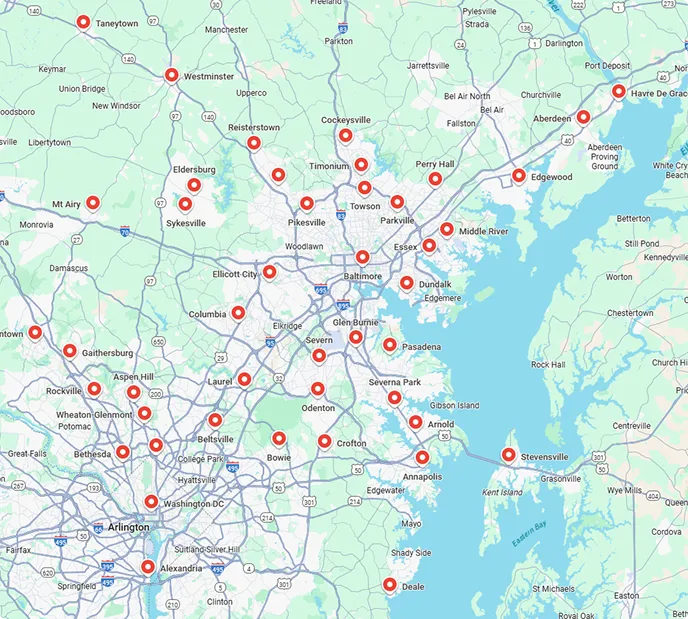
Service areas