

Furnace Repair in Gaithersburg, MD
A reliable furnace is essential for comfort and safety in Gaithersburg, MD, where cold snaps and extended heating seasons put extra demand on home heating systems. Tario HVAC's professional furnace repair services address breakdowns quickly, diagnose root causes accurately, and restore safe, efficient operation. We'll explain common furnace problems in Gaithersburg homes, how our technicians diagnose and repair them, emergency and same-day response options, typical parts replacement, safety checks including carbon monoxide and combustion testing, transparent pricing and warranty practices, and temporary troubleshooting tips to keep your home safe until a qualified Tario HVAC repair can be completed.
.jpeg)
Furnace Repair in Gaithersburg, MD
A reliable furnace is essential for comfort and safety in Gaithersburg, MD, where cold snaps and extended heating seasons put extra demand on home heating systems. Professional furnace repair services address breakdowns quickly, diagnose root causes accurately, and restore safe, efficient operation.
Why timely furnace repair matters in Gaithersburg, MD
Gaithersburg winters routinely drop below freezing and heating systems run longer than in milder climates. That increased runtime accelerates wear on ignition components, blowers, and control boards. Delaying repairs not only reduces comfort but can increase energy costs, lead to further component damage, and create safety risks such as carbon monoxide exposure from incomplete combustion. Prompt, professional repair preserves system efficiency and extends furnace life.
Common furnace issues in Gaithersburg homes
- No heat or intermittent heating - Often caused by faulty thermostats, ignition failures, or control board glitches.
- Ignitor or pilot light problems - Worn ignitors and clogged pilot assemblies prevent reliable ignition.
- Frequent cycling or short cycling - Can indicate airflow restrictions, a failing blower motor, or a miscalibrated thermostat.
- Unusual noises - Rattling, squealing, or banging point to loose panels, failed bearings in blowers, or combustion irregularities.
- High energy bills with reduced output - Usually due to inefficient combustion, clogged filters, or failing components.
- Carbon monoxide alarms or odor of exhaust - Potentially dangerous sign of cracked heat exchangers or venting issues that require immediate attention.
These issues reflect the types of repairs commonly required in local single family homes and older properties throughout Montgomery County.
Diagnostic procedures used by professionals
Technicians follow a systematic diagnostic process to find the root cause before recommending repairs. Typical diagnostic steps include:
- Visual and electrical inspection of the furnace cabinet, wiring, and control board.
- Thermostat verification and measurement of voltage and continuity.
- Ignition system testing including ignitor resistance or pilot assembly operation.
- Airflow and blower motor testing to check for obstructions, belt wear, and motor health.
- Combustion analysis using gas pressure and combustion gas measurements to ensure proper fuel-to-air ratio.
- Carbon monoxide testing around the furnace and venting to identify leaks or improper venting.
Accurate diagnostics reduce unnecessary parts replacement and lead to more reliable repairs.
Typical parts replaced during furnace repair
- Ignitors and pilot assemblies - Common wear items that fail with age and frequent use.
- Thermostats and control boards - Failures here cause intermittent operation or total no-heat conditions.
- Blower motors and belts - Wear from continuous operation can reduce airflow and efficiency.
- Gas valves and safety switches - Critical for safe combustion control.
- Heat exchangers (repair or replacement guidance) - Cracked heat exchangers are a major safety concern and may require specialized evaluation.
Parts selection follows manufacturer specifications to preserve furnace performance and compliance with safety standards.
Emergency response and same-day repair options
Emergency furnace repairs are essential during cold periods when a system failure threatens safety or leads to frozen pipes. Professional services prioritize:
- Rapid dispatch for homes reporting no heat or suspected carbon monoxide presence.
- Same-day troubleshooting and repairs when parts are commonly stocked.
- Clear escalation to parts order or temporary measures if specialized parts are required.
Emergency protocols include immediate safety checks and ventilation evaluation before any diagnostic work continues.
Safety checks: carbon monoxide and combustion testing
Safety testing is central to any professional furnace repair. Key safety procedures include:
- Carbon monoxide testing in and around the furnace and common living areas to detect dangerous leaks.
- Combustion testing that measures flue gases, carbon monoxide in exhaust, and oxygen levels to verify proper combustion.
- Vent and flue inspections to confirm clear, secure exhaust pathways.
- Heat exchanger inspection for cracks or corrosion that could allow combustion gases into home air.
If unsafe conditions are detected, technicians document findings and recommend corrective action to restore safe operation.
Transparent pricing and warranty on repairs
Professional furnace repair services typically emphasize transparent pricing by:
- Providing written estimates that list diagnostic findings, parts required, and labor.
- Explaining which repairs are recommended now and which can be deferred, including estimated impacts on safety and efficiency.
- Offering warranties on parts and labor to protect homeowners against premature failures.
Clear pricing and warranty information help homeowners in Gaithersburg make informed decisions consistent with local building codes and safety standards.
Temporary troubleshooting tips before a technician arrives
These steps can reduce risk or restore temporary function while waiting for a qualified repair:
- Check and replace the HVAC filter if it is dirty, which can improve airflow and reduce short cycling.
- Verify the thermostat is set correctly, batteries are fresh, and the power switch at the furnace is on.
- Reset the furnace by turning off power for 30 seconds and restoring it to see if the control board clears a fault.
- Inspect the area around the furnace for any odor of gas or signs of water — evacuate if you suspect a gas leak and report it to the gas utility.
- If a carbon monoxide alarm sounds, leave the home immediately and seek fresh air.
These are temporary measures and not substitutes for professional diagnostics and repair.
Benefits of timely repair and routine maintenance
Timely furnace repair restores comfort and reduces operating costs by returning the system to designed efficiency. It also prevents minor issues from escalating into expensive failures and ensures family safety through combustion and CO checks. Regular maintenance complements repair work by extending equipment life, improving reliability during Gaithersburg winters, and protecting indoor air quality.
FAQs
Q: How quickly can I expect a technician for furnace repair in Gaithersburg, MD?A: Response times vary by season and severity, but same-day service is common when parts are in stock and the issue poses an immediate comfort or safety concern.
Q: What should I do if my carbon monoxide alarm goes off?A: Leave the home immediately, move to fresh air, and follow local emergency guidance. Have the furnace and home evaluated by a qualified technician before reoccupying.
Q: Will a repair include safety testing like combustion analysis?A: Yes. Professional furnace repairs routinely include combustion testing and carbon monoxide checks when combustion components are involved to ensure safe operation.
Q: What repairs are typically covered by a warranty?A: Warranties commonly cover replaced parts and labor for a stated period. Warranty specifics depend on the service provider and parts manufacturer.
Q: Can I perform any troubleshooting myself before a repair visit?A: Basic checks like replacing filters, verifying thermostat settings, and resetting the system are acceptable. Avoid opening gas lines or combustion compartments; those require a qualified technician.
Q: How can Gaithersburg homeowners reduce the chance of emergency furnace failures?A: Schedule annual preventive maintenance before the heating season, replace filters regularly, and address strange noises or reduced performance promptly to avoid breakdowns.

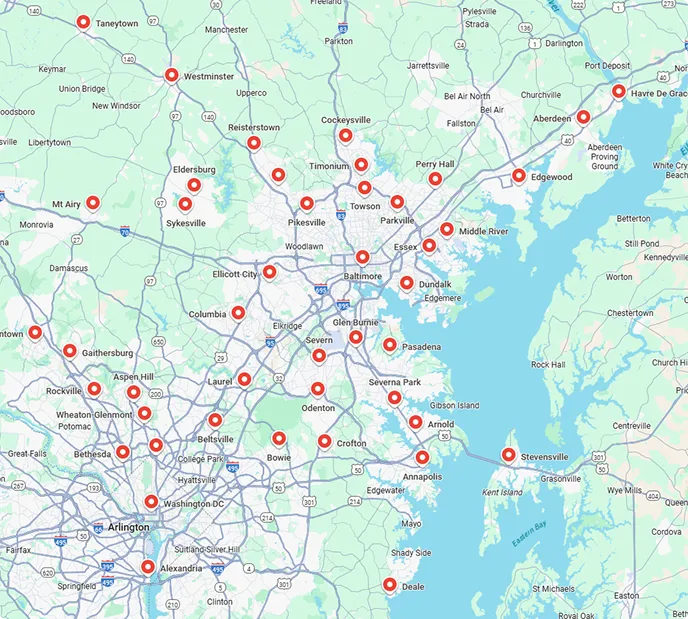
Service areas