

Furnace Repair in Cockeysville, MD
A reliable furnace is absolutely essential for staying safe and comfortable throughout Cockeysville winters. Furnaces that fail to warm your home, run unevenly, or produce unusual odors and noises can quickly lead to discomfort, higher energy bills, and potential safety risks during Northern Baltimore County’s cold months. Tario HVAC is here to explain common furnace symptoms we see in Cockeysville homes, walk you through our diagnostic and repair process, discuss typical parts we service, outline our emergency repair options and response expectations, provide clear estimate guidance, detail our safety inspections and warranty considerations, and offer practical maintenance steps to help reduce future breakdowns.
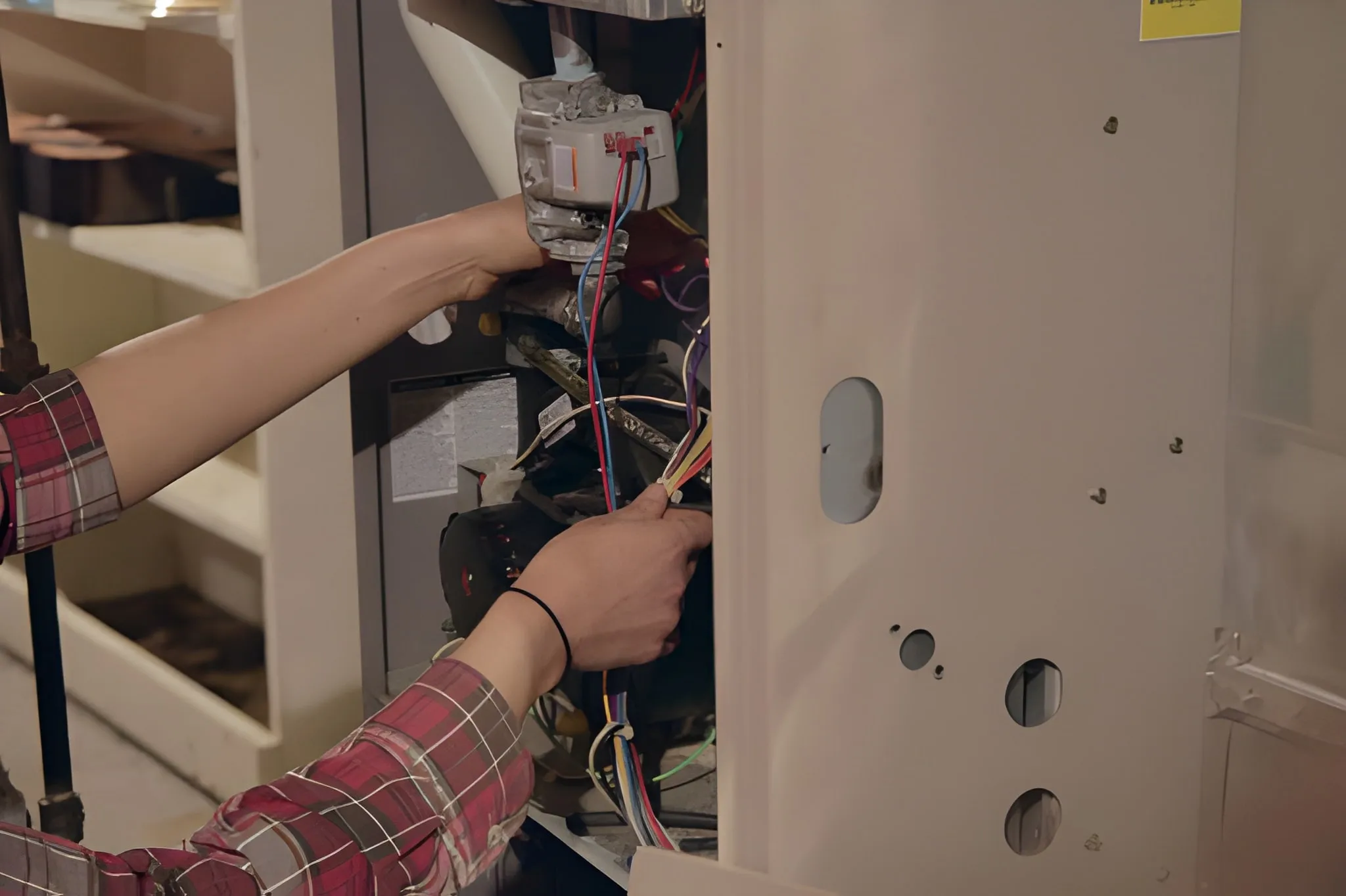
Furnace Repair in Cockeysville, MD
A reliable furnace is essential for staying safe and comfortable through Cockeysville winters. Furnaces that fail to warm your home, run unevenly, or produce odors and noises can create discomfort, drive up energy bills, and present safety risks in Northern Baltimore County’s cold months.
Common furnace repair issues in Cockeysville, MD
Homeowners in Cockeysville commonly see these symptoms, often triggered by seasonal use, older systems, and local home construction factors:
- No heat or intermittent heat: Furnace powers on but no warm air or heat cycles on and off unexpectedly. Causes include thermostat problems, ignition or pilot failures, fuel supply interruptions, or control board faults.
- Uneven heating or cold rooms: Warm on one floor, cold on another. Typical causes are duct leaks, blocked vents, improper system sizing, or blower motor problems.
- Strange noises: Rattling, banging, squealing, or grinding. Noise can indicate loose panels, delayed ignition, failing bearings, or a slipping belt.
- Pilot light or ignition failures: Continuous pilot outages or failed electronic ignition mean worn igniters, dirty flame sensors, or gas valve issues.
- Short cycling or frequent shutdowns: Furnace turns on and off rapidly. Often caused by overheating due to dirty filters, faulty limit switches, or airflow restrictions.
- Unusual odors or soot: Burning smells, rotten-egg gas odor, or visible soot require immediate attention because they may signal a gas leak, combustion issue, or cracked heat exchanger.
Diagnostic process for furnace repair
A careful, systematic diagnostic ensures accurate repairs and safer operation. A typical diagnostic includes:
- Visual and safety inspection: Check for loose panels, rust, corrosion, visible gas leaks, odor sources, and proper venting.
- Thermostat and control checks: Verify thermostat settings, wiring, and control board signals.
- Airflow and filter inspection: Measure airflow, examine air filter condition, and inspect return/exhaust vents for blockages.
- Ignition and combustion tests: Test pilot or electronic ignition components and observe flame characteristics (color and stability).
- Electrical measurements: Check voltages, relays, capacitors, and motor current to identify failing electrical components.
- Carbon monoxide and combustion safety checks: Assess combustion byproducts and venting to detect CO or improper exhaust.
- Duct and distribution inspection: Inspect main ducts for leaks, obstructions, and balance issues that cause uneven heating.
Diagnostics in Cockeysville often also consider local factors such as heavy seasonal use, dust accumulation from nearby construction, and older homes with original ductwork.
Typical parts repaired or replaced
Common service items for Cockeysville furnaces include:
- Igniters and pilot assemblies: Replace cracked or worn igniters and faulty pilot components.
- Flame sensors and gas valves: Clean or replace flame sensors; repair or replace gas valves that fail to open.
- Blower motors and belts: Repair seized motors, replace bearings, or swap belts for worn-drive systems.
- Control boards and relays: Replace malfunctioning control modules that cause erratic operation.
- Limit switches and thermostats: Replace failed safety switches and recalibrate or replace thermostats.
- Heat exchangers: Repair is limited; visible cracks or severe corrosion generally require system replacement for safety.
- Duct sealing and registers: Repair or seal ducts that cause uneven heating or leakage.
Emergency repair options and response expectations
Certain symptoms require prompt attention, especially during Cockeysville’s cold snaps:
- Emergency signs: Smell of gas, CO alarm activation, visible soot, flame color yellow, or large gas odor. These situations need immediate service and evacuation until the source is secured.
- Typical emergency response windows: Emergency calls are usually prioritized and handled faster than standard service requests. Expect faster response for active safety threats; non-emergency repairs are scheduled within normal business windows. Local factors such as severe weather or high seasonal demand can extend response times.
Estimate and pricing guidance
While exact pricing depends on the furnace make, age, part availability, and labor complexity, transparent estimates typically consider:
- System age and model: Newer systems may have harder-to-find parts or higher parts costs for OEM components.
- Scope of repair: Simple parts like filters and igniters cost less than major components such as heat exchangers or blower motors.
- Access and labor time: Units in tight utility closets or attics increase labor time and cost.
- Parts warranty and sourcing: OEM parts typically cost more but can carry original equipment warranties; aftermarket parts may be less expensive with different warranty terms.
A reliable estimate will itemize parts, labor, and any safety testing performed so you can compare repair value against replacement considerations.
Safety inspections, warranties, and parts information
Regular safety inspections are critical in Cockeysville where winter use is prolonged:
- Safety checks: Annual inspection should include combustion analysis, CO testing, venting integrity checks, and heat exchanger assessment.
- Warranties: Understand the difference between manufacturer (OEM) warranties and third-party parts or labor warranties. Warranty coverage often depends on installation history and professional maintenance records.
- Parts sourcing: OEM parts preserve original performance and warranties; high-quality aftermarket parts can be an economical alternative depending on availability.
Repair vs replacement guidance
Consider replacement when:
- The furnace is older (typical service life 15-20 years) and experiencing repeated, costly failures.
- The heat exchanger is cracked or severely corroded.
- Annual repair costs approach the estimated value of a newer, more efficient system and performance/efficiency gains justify replacement.
- For many mid-life systems, targeted repairs combined with preventive maintenance extend service life while managing cost.
Preventive maintenance and benefits
Routine maintenance reduces emergency calls and improves efficiency:
- Replace or clean filters every 1-3 months during heavy use.
- Schedule annual professional tune-ups to check combustion, clean burners, adjust controls, and test safety devices.
- Keep vents and supply registers clear and seal accessible duct leaks to improve balance and efficiency.
Benefits of timely furnace repair in Cockeysville homes include improved safety, lower energy bills, longer equipment life, more consistent heating across living spaces, and peace of mind during cold weather.
FAQ
Q: How quickly should a furnace technician respond to a gas smell or CO alarm?
A: A gas smell or CO alarm is an emergency. Leave the home immediately, ventilate from outside if safe, and seek emergency service—these conditions require immediate attention and should not be ignored.
Q: What are the most common causes of a furnace blowing cold air?
A: Common causes include thermostat missettings, dirty or clogged filters reducing airflow, failed ignition/pilot, blocked vents, or issues with the gas supply or control board.
Q: How often should a furnace be inspected in Cockeysville?
A: Annual professional inspections before the heating season are recommended, with filter checks monthly during heavy use.
Q: Will repairing an older furnace improve efficiency?
A: Targeted repairs can restore proper operation and efficiency, but very old furnaces with frequent failures or a cracked heat exchanger may be better replaced to achieve long-term efficiency gains.
Q: Are OEM parts necessary for reliable repairs?
A: OEM parts maintain original equipment specifications and warranty coverage, but high-quality aftermarket parts can be reliable and more cost-effective in many cases.
Q: What should I do if my furnace cycles on and off frequently?
A: Check filter condition and vents first. If symptoms persist, a professional diagnostic is necessary to evaluate limit switches, airflow restrictions, and control components.

Service areas