



Furnace Maintenance in Cockeysville, MD
Keeping your furnace tuned and safe is essential for Cockeysville homes, where cold winters and seasonal humidity make reliable heating a priority. Regular furnace maintenance from Tario HVAC reduces breakdowns during peak heating months, improves energy efficiency, and protects indoor air quality. Tario HVAC's professional preventive maintenance covers common furnace issues in Cockeysville, provides recommended filter schedules, highlights the benefits of routine service, and explains how our service agreements work.
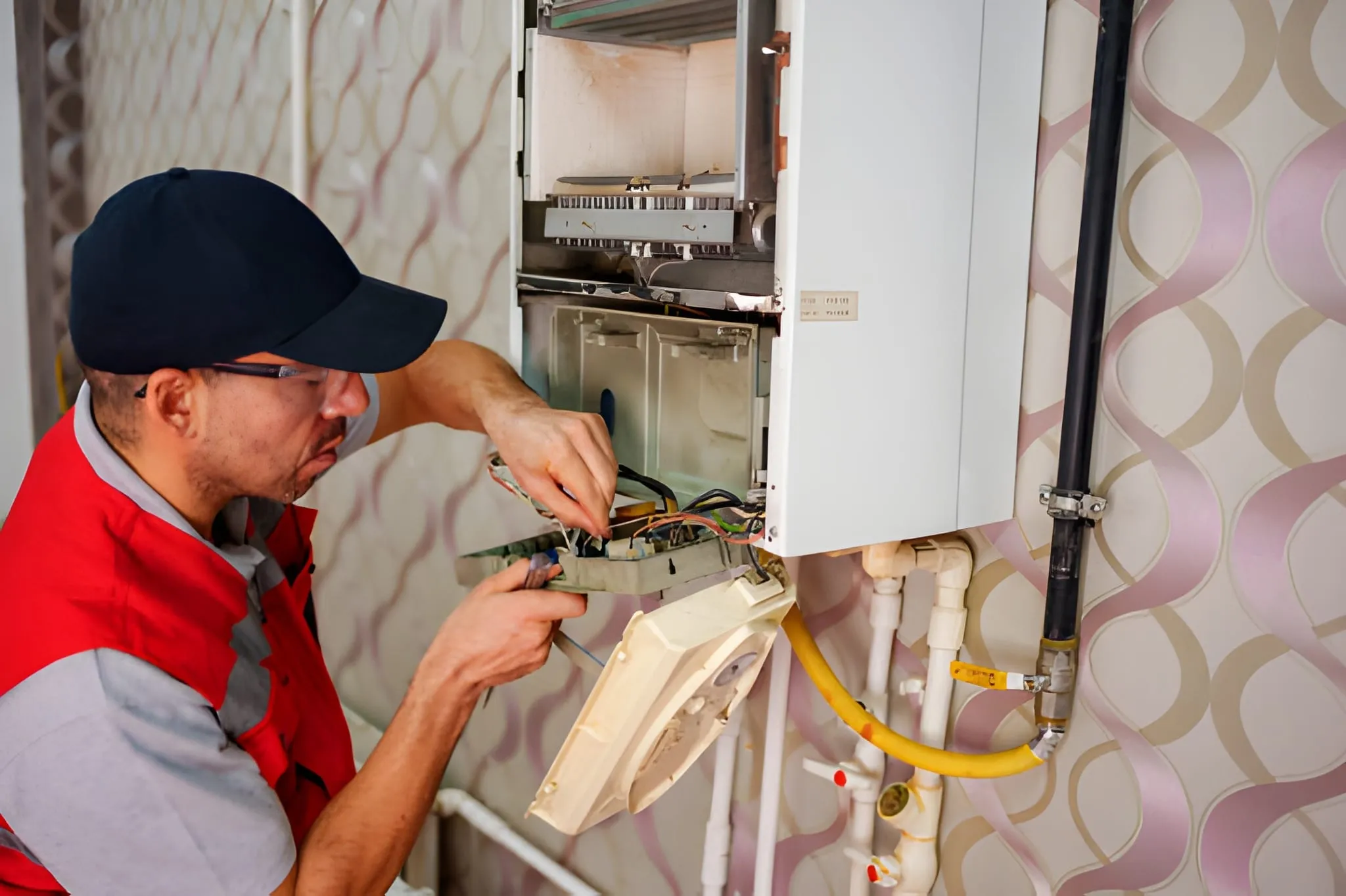
Furnace Maintenance in Cockeysville, MD
Keeping your furnace tuned and safe is essential for Cockeysville homes, where cold winters and seasonal humidity make reliable heating a priority. Regular furnace maintenance reduces breakdowns during peak heating months, improves energy efficiency, and protects indoor air quality.
Why furnace maintenance matters in Cockeysville, MD
Cockeysville experiences cold winters and fluctuating temperatures in fall and spring. Older homes and basements can collect dust, pollen, and humidity that accelerate wear on furnace components. Neglecting maintenance increases the risk of mid-winter failures, higher energy bills, and possible safety hazards like incomplete combustion. A seasonal tune-up before winter and a focused inspection after heavy pollen or construction activity will keep systems running efficiently when you need them most.
Common furnace problems in Cockeysville homes
- Clogged or dirty filters — Common with neighborhoods that have trees and seasonal pollen; restricted airflow reduces efficiency and stresses the system.
- Dirty burners and ignition issues — Fires up intermittently or produces yellow flames, leading to poor combustion.
- Faulty blower motor or belt wear — Causes weak airflow, uneven heating, or unusual noises.
- Cracked heat exchanger — A critical safety concern that can allow combustion gases to enter living spaces.
- Control and thermostat failures — Erratic cycling, failure to ignite, or inconsistent temperatures.
- Tripped safety switches — Pressure switches, limit switches, and flame sensors can shut the furnace down to prevent hazards.
Standard preventive maintenance checklist
A professional furnace maintenance visit typically covers the following inspection items and tasks:
- Filters: Inspect and advise on replacement or cleaning; check for correct fit.
- Burners: Inspect and clean burners and ignition components for proper flame pattern.
- Heat exchanger: Visual inspection for cracks, corrosion, or signs of stress.
- Blower motor and assembly: Clean blower wheel, check motor bearings, belts, and airflow.
- Controls and electrical: Test control board, safeties, wiring, and thermostat communications.
- Safety switches and sensors: Test limit switches, pressure switches, flame sensors, and carbon monoxide safeguards.
- Combustion and draft: Evaluate combustion performance when equipment allows; inspect flue and venting for blockages or corrosion.
- Lubrication and mechanical adjustments: Lubricate bearings and tighten accessible fasteners where applicable.
- System startup and operation: Verify safe ignition, proper cycling, and consistent temperature rise.
Recommended filter replacement schedule
Filter needs vary by filter type, home conditions, and occupancy. Use these general guidelines:
- Disposable 1-inch fiberglass or basic filters: Replace every 30 days. Best for minimal filtration needs but change frequently.
- Pleated 1- to 2-inch filters (higher MERV ratings): Replace every 60 to 90 days; check monthly if you have pets or allergies.
- Thicker pleated filters and washable/reusable types (4-inch or larger): Change or clean every 90 to 180 days depending on use and indoor air quality.
- Homes with pets, smokers, construction dust, or allergy sufferers: Consider replacing more often or upgrading to higher efficiency filters.
A technician will confirm the right filter size and MERV rating for your furnace to balance airflow and filtration.
What to expect during a maintenance visit
- Technician confirms system model and recent service history.
- Visual inspection and cleaning of burners, flame sensor, and combustion area.
- Filter inspection and replacement recommendation or service.
- Blower assembly cleaning and motor performance check.
- Operational testing: start-up, run cycle, temperature rise, and safety device testing.
- Brief report summarizing findings and any recommended repairs or parts needed.
Benefits of regular furnace maintenance
- Improved energy efficiency: Clean systems run with less fuel and provide more consistent heat.
- Greater reliability: Preventive care identifies issues before they cause a failure on very cold days.
- Extended equipment life: Routine inspections and lubrication reduce wear and tear.
- Lower total repair costs: Small issues caught early typically cost less to fix than emergency failures.
- Better indoor air quality: Proper filter maintenance and clean components reduce dust and allergens.
- Enhanced safety: Inspections protect against combustion problems or heat exchanger failures that can create hazards.
Service agreements and seasonal plans
Service agreements are structured to provide predictable care throughout the year. Common features include:
- Scheduled seasonal tune-ups timed for pre-winter start-up and off-season checks.
- A comprehensive inspection checklist covering filters, burners, heat exchanger, blower motor, controls, and safety switches.
- Priority scheduling during peak cold spells and documented maintenance records for warranties.
- Optional benefits often include reduced diagnostic fees, parts labor advantages, and reminders for recommended filter replacement.
Agreements are designed to match different household needs—from single annual inspections to multi-visit plans that cover full HVAC systems.
How enrollment and scheduling typically work
Enrollment is a straightforward process: a technician or service coordinator evaluates your system, explains plan levels suitable for your furnace model and home usage patterns, outlines what each plan includes, and sets recurring service dates. Paper or electronic agreements document the scope and frequency of maintenance visits. Once enrolled, homeowners receive reminders and pre-season scheduling to ensure inspections occur before heating demand peaks.
Seasonal maintenance tips for Cockeysville homeowners
- Replace or check filters monthly during peak pollen and fall leaf seasons.
- Schedule a professional tune-up in early fall to catch ignition and venting issues before the first cold snap.
- Keep furnace area clear of storage, paint, and flammable materials, especially in basements and utility closets.
- Monitor utility bills for unexplained increases that may signal falling efficiency.
- Install or test carbon monoxide detectors on every level to complement furnace safety checks.
Q: How often should I have a professional furnace inspection?
A: An annual inspection before the heating season is recommended; some households benefit from biannual checks if the system is older or heavily used.
Q: Will maintenance reduce my heating bills in Cockeysville?
A: Regular maintenance improves efficiency and can lower fuel consumption by ensuring burners and controls operate correctly and airflow is optimized.
Q: Can I replace filters myself and still keep a service agreement?
A: Yes. Homeowners often replace filters between professional visits. Service agreements typically acknowledge owner-maintained filter changes while still covering scheduled inspections.
Q: What signs indicate an immediate service call is needed?
A: Strange odors, yellow or wavering flames, frequent cycling, loss of heat, or carbon monoxide alarm activation all warrant immediate professional attention.
Q: Does maintenance include carbon monoxide testing?
A: Many technicians include combustion and venting checks; carbon monoxide testing can be part of the inspection or added based on system type and local codes.
Q: Are older furnaces worth maintaining?
A: Maintenance enhances safety and reliability regardless of age. For older units, regular service also helps assess when replacement would be more cost effective than ongoing repairs.

Service areas
