

Furnace Repair in Bethesda, MD
A reliable furnace is absolutely essential for Bethesda homes throughout our cold winters. When your heating system underperforms, cycles constantly, or fails completely, it not only creates discomfort but can also signal potential safety risks. Tario HVAC is here to help you understand common furnace problems in Bethesda, explain the diagnostic steps our technicians use, clarify the difference between emergency and scheduled repairs, and detail typical repair processes and parts replaced. We also cover the brands and systems we service, provide warranty and parts information, explain typical response expectations, and offer practical troubleshooting and preventative tips specifically tailored to Bethesda, MD.
.jpeg)
Furnace Repair in Bethesda, MD
A reliable furnace is essential for Bethesda homes during cold winters. When your heating system underperforms, cycles constantly, or fails completely, it creates discomfort and can signal safety risks. This page explains common furnace problems in Bethesda, the diagnostic steps technicians use, the difference between emergency and scheduled repairs, typical repair processes and parts replaced, brands and systems serviced, warranty and parts information, typical response expectations, and practical troubleshooting and preventative tips tailored to Bethesda, MD.
Common furnace problems in Bethesda homes
- Poor or no heat output: often caused by dirty filters, blocked vents, failing burners, or ignition faults.
- Short cycling: repeatedly turning on and off due to thermostat issues, overheating from restricted airflow, or a failing control board.
- Pilot or ignition failures: standing pilot or hot surface igniter issues, especially after periods with little use.
- Blower motor or fan failures: reduced airflow from worn bearings, faulty capacitors, or motor failure.
- Strange noises: rattling, banging, or squealing from loose components, ignition delays, or failing motors.
- High energy bills: inefficient combustion, clogged filters, leaky ducts, or aging equipment.
- Condensing furnace problems: clogged condensate drains or failed condensate pumps on high-efficiency units.
- Safety concerns: gas odor, persistent soot, or carbon monoxide alarm activation require immediate attention.
Local factors that increase repair needs in Bethesda: colder winter spells increase runtime and wear, older homes can have outdated furnaces or mixed heating systems, and seasonal pollen and dust can accelerate filter clogging and airflow restrictions.
Diagnostic procedures and what to expect
Technicians follow a structured diagnostic process to identify the issue and provide a clear repair plan:
- Safety check: verify no gas leaks, check carbon monoxide levels, and ensure electrical safety before any work.
- Visual inspection: examine burners, heat exchanger, wiring, vents, and overall unit condition.
- Controls and thermostat: test thermostat calibration and control board signals.
- Ignition and combustion: test pilot or hot surface igniter, flame sensing, and combustion efficiency where applicable.
- Airflow and ductwork: measure airflow, inspect filters and return vents, and look for duct leaks or blockages.
- Electrical diagnostics: check capacitors, relays, motors, and circuit breakers.
- System operation test: run a full cycle to observe startup, operation, and shutdown behavior.
A diagnostic visit typically results in a written summary of findings and recommended repairs, including whether parts need replacement or if system replacement is more appropriate.
Emergency repairs versus scheduled services
- Emergency repairs: no heat in extreme cold, strong gas odor, or activated carbon monoxide alarms. These situations require immediate response for safety.
- Scheduled repairs: non-urgent issues such as intermittent noises, declining efficiency, or repairs recommended during an inspection. These can be planned to minimize disruption.
Typical response expectations in the Bethesda area vary by season. During peak winter demand, emergency response is prioritized, and scheduled appointments may be booked within 24 to 72 hours. Off-season bookings are generally more flexible.
Typical repair processes and parts commonly replaced
Repairs focus on restoring safe, efficient operation with minimal disruption. Common repair steps and parts:
- Igniter replacement: hot surface igniters and pilot assemblies wear out and are routinely replaced.
- Flame sensor cleaning or replacement: keeps the burner reliably detecting flame.
- Pressure and limit switches: replaced when they fail safety cutoffs or regulation.
- Inducer and blower motors: replaced when bearings or windings fail.
- Capacitors and relays: inexpensive parts that restore motor and control function.
- Gas valves and control boards: replaced when electrical control or gas modulation fails.
- Heat exchanger assessment: cracked heat exchangers are a safety concern and often require full replacement or system replacement depending on severity.
- Condensate drain and pump service: cleared or replaced on high-efficiency units.
After repairs, technicians perform safety checks, test combustion where applicable, and run the system to verify operation.
Brands and systems serviced
Most residential brands and systems are commonly serviced in Bethesda, including:
- Furnace brands: Trane, Carrier, Lennox, Goodman, Rheem, Bryant, York, Amana, and more.
- Systems: gas and electric furnaces, high-efficiency condensing furnaces, heat pumps and dual-fuel systems, and forced-air systems integrated with central air conditioning.Technicians experienced with multiple brands can diagnose manufacturer-specific control logic and source compatible OEM or high-quality equivalent parts.
Warranties, parts, and estimate guidance
- Parts warranties vary by manufacturer and part type. Heat exchangers commonly carry longer limited warranties from manufacturers, while electronic controls and motors typically have shorter coverage. Aftermarket parts may have different warranty terms than OEM parts.
- Labor warranties are sometimes offered for a set period after repairs; verify length and coverage at the time of service.
- Cost factors that affect estimates: age and condition of the furnace, accessibility of the unit, part availability, whether repairs require permits or code upgrades, and seasonal demand.
- Written estimates following a diagnostic visit provide scope of work, parts proposed, and warranty terms. If a repair is not recommended due to age or safety concerns, replacement options are typically discussed as an alternative.
Troubleshooting tips Bethesda homeowners can try first
- Check thermostat settings and batteries; confirm it is set to heat and the temperature is above room temperature.
- Replace or clean the air filter if restricted; a dirty filter is a top cause of poor performance.
- Verify the furnace switch and circuit breaker are on.
- Ensure vents and returns are open and unobstructed for proper airflow.
- For high-efficiency units, check the condensate line for obvious clogs or standing water.
- If you smell gas, leave the home immediately and notify the gas utility or emergency services.
If these steps do not restore normal operation, professional diagnosis is recommended.
Preventative care to reduce breakdowns
- Annual heating tune-up before the heating season: safety inspection, combustion check, cleaning burners, and lubricating moving parts.
- Replace filters regularly (monthly to every three months depending on filter type and household conditions).
- Keep the furnace area clear and ensure exterior vents are not blocked by leaves or snow.
- Seal and insulate ducts where accessible to improve efficiency.
- Consider upgrading to a high-efficiency system or a smart thermostat if your current unit is over 15 years old or repairs are frequent.
FAQs
Q: How quickly can a furnace be diagnosed?
A: A standard diagnostic visit usually takes 30 to 90 minutes depending on system complexity and access.
Q: What are signs of a cracked heat exchanger?
A: Persistent soot around the burner, yellow instead of blue flame, strong odors, and carbon monoxide alarms are warning signs that need immediate evaluation.
Q: Can I safely run my furnace with a minor noise or vibration?
A: Some noises warrant attention sooner rather than later. Persistent banging, grinding, or metal fatigue sounds can indicate serious issues and should be inspected to avoid larger failures.
Q: Do you service older or discontinued furnace models?
A: Most older models can be diagnosed and repaired, but availability of parts and long-term reliability depend on the age and manufacturer. Replacement is sometimes more cost-effective for very old or unsafe units.
Q: How often should a furnace be professionally serviced?
A: Annual professional maintenance before the heating season is recommended to maintain safety, efficiency, and reliable operation in Bethesda homes.

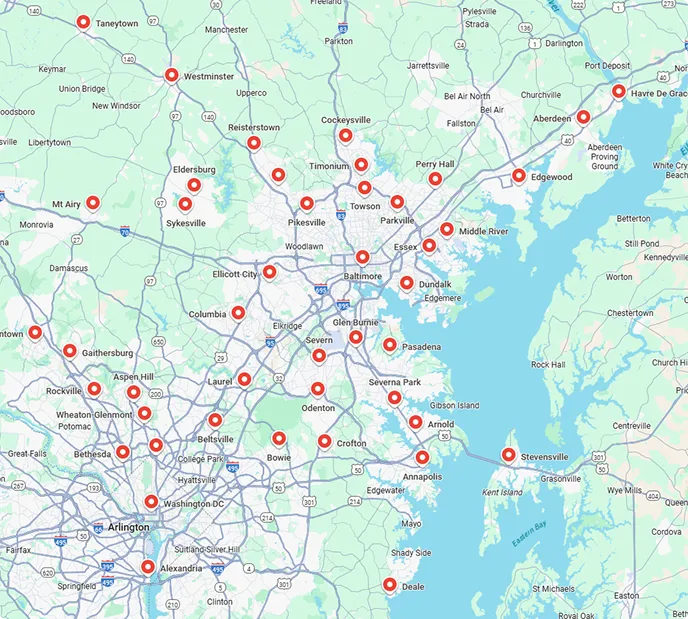
Service areas