

Furnace Maintenance in Bethesda, MD
Keeping your furnace well-maintained is essential for reliable heating, lower energy bills, and a safer home—especially in Bethesda, MD where cold winters and seasonal temperature swings place regular demand on heating systems. Tario HVAC offers comprehensive furnace maintenance programs and seasonal service plans that reduce the risk of midwinter breakdowns, improve indoor air quality, and extend the useful life of your equipment. Our professional routine inspections include addressing common furnace issues in Bethesda homes, utilizing precise diagnostic steps, and offering effective repair solutions. We also provide various service agreement and scheduling options tailored for homeowners.

Furnace Maintenance in Bethesda, MD
Keeping your furnace well maintained is essential for reliable heating, lower energy bills, and a safer home—especially in Bethesda, MD where cold winters and seasonal temperature swings place regular demand on heating systems. Comprehensive furnace maintenance programs and seasonal service plans reduce the risk of midwinter breakdowns, improve indoor air quality, and extend the useful life of your equipment.
Common furnace problems in Bethesda homes
- Reduced heat output or uneven heating — often caused by clogged filters, restricted ductwork, or failing blowers.
- Rising energy costs in winter — dirty burners, poor combustion, or misadjusted valves can cut efficiency.
- Noisy operation — worn belts, loose components, or failing motors create rattles, squeals, and thumps.
- Frequent cycling or short-cycling — thermostats, airflow restrictions, or improper system sizing can trigger short cycles.
- Safety concerns — cracked heat exchangers, faulty safety controls, or improper venting present carbon monoxide and combustion risks.
- Ignition or pilot problems — aging ignition systems or dirty burners can prevent reliable starts in cold months.
What a routine furnace inspection and maintenance visit includes
A professional furnace maintenance visit focuses on safety, performance, and preventing future failures. Typical components of a visit include:
- Filter replacement or inspection: Inspect, clean, or replace disposable or washable filters and recommend higher-efficiency options when appropriate. Clean filters improve airflow and indoor air quality.
- Blower and motor checks: Clean blower assembly, check motor operation and amp draw, tighten mounts, and lubricate bearings if applicable to restore efficient airflow.
- Burner and heat exchanger inspection: Clean burners, inspect flame pattern, and visually examine the heat exchanger for cracks or corrosion. Technicians look for signs that indicate inefficient combustion or safety hazards.
- Safety controls and limit switches: Test all safety devices, including high-limit switches, pressure switches, and flame sensors, to verify the furnace will shut down on unsafe conditions.
- Ignition and pilot assembly service: Clean and adjust electronic ignition or pilot assemblies and confirm reliable start-up cycles.
- Combustion analysis and venting check: Measure combustion efficiency and carbon monoxide levels where applicable, and inspect flue and venting for blockages or leaks.
- Thermostat calibration and electrical checks: Verify thermostat accuracy, inspect wiring connections, and test control circuits for proper operation.
- Duct and airflow assessment: Evaluate airflow through supply and return ducts, look for obstructions, and recommend duct cleaning or sealing if needed.
- Documentation and recommendations: Provide a clear report on findings, prioritizing safety items and suggested upgrades to improve efficiency.
Seasonal service plans and maintenance programs
Homeowners in Bethesda often choose annual fall tune-ups to prepare for winter, with optional biannual or spring visits for year-round coverage. Common program features include:
- Scheduled preseason inspections timed to avoid peak demand.
- Defined scope of services for each visit (safety checks, cleaning, testing).
- Priority service windows during cold-weather emergencies for plan members.
- Discounts on diagnostic fees, repair labor, or replacement parts under a service agreement.
- Regular reminders and service history tracking to maintain warranty compliance and equipment records.
Service agreements are structured to fit different needs—from single-system residential plans to multi-year coverage for larger homes. Agreements help homeowners budget for routine maintenance and ensure consistent, documented attention to their furnace.
Diagnostic process: how technicians identify issues
Skilled technicians follow a step-by-step diagnostic routine to pinpoint problems efficiently:
- Review system history and any homeowner-reported symptoms.
- Conduct a visual inspection of the furnace cabinet, venting, and surrounding area.
- Start the system and observe start-up sequence, ignition behavior, and flame characteristics.
- Measure electrical loads, gas pressure or fuel delivery, and combustion parameters when necessary.
- Test safety controls and the thermostat response to ensure stable operation.
- Evaluate airflow and duct performance with static pressure or temperature differentials.
- Provide a concise report with findings, safety concerns, and recommended solutions.
This methodical approach prevents unnecessary repairs and focuses on the root cause of symptoms rather than temporary fixes.
Common repair solutions and when they’re needed
Many maintenance visits resolve everyday issues with simple, cost-effective work. Examples include:
- Filter replacement and cleaning to restore airflow and efficiency.
- Blower motor servicing or replacement for weak airflow or motors drawing excess amperage.
- Ignition system repairs to restore reliable start cycles in cold weather.
- Burner cleaning and adjustment to correct poor combustion and lower fuel use.
- Duct sealing and minor sheet-metal repairs to fix leaks that cause uneven heating.
- Heat exchanger evaluation—if a heat exchanger shows signs of cracking, the typical solution is full replacement for safety reasons. Carbon monoxide testing accompanies any concern with the heat exchanger.
Technicians prioritize safety-related repairs and clearly explain why certain components must be replaced rather than temporarily patched.
Why regular maintenance matters in Bethesda, MD
Bethesda winters mean furnaces run for extended periods, so small problems compound quickly. Regular maintenance reduces emergency calls during cold snaps, preserves system efficiency in a climate with both heating and cooling seasons, and can be required to keep manufacturer warranties valid. Properly tuned equipment also contributes to better indoor air quality—an important consideration for families and older homes common in Bethesda neighborhoods.
Practical seasonal maintenance advice
- Schedule a fall tune-up before the heating season begins.
- Change or clean filters every 1 to 3 months depending on filter type and household factors like pets.
- Keep supply registers and returns unobstructed to maintain designed airflow.
- Install carbon monoxide detectors on each level of the home and test them regularly.
- Track service records to help technicians spot recurring trends over time.
Q: How often should a furnace in Bethesda be professionally inspected?
A: A professional inspection is recommended at least once a year, ideally in the fall before heavy winter use. Homes with older equipment or higher usage may benefit from biannual service.
Q: What does a service agreement usually include?
A: Service agreements typically outline scheduled maintenance visits, priority service scheduling, waived or reduced diagnostic fees, and discounts on parts or labor. Exact inclusions vary by program.
Q: Will routine maintenance improve my furnace’s efficiency?
A: Yes. Cleaning, adjusting combustion, replacing filters, and ensuring proper airflow can restore performance and reduce energy consumption compared with an unmaintained system.
Q: Are there safety checks performed during maintenance?
A: A thorough maintenance visit includes safety control tests, heat exchanger inspection, venting checks, and combustion or carbon monoxide testing when indicated to verify safe operation.

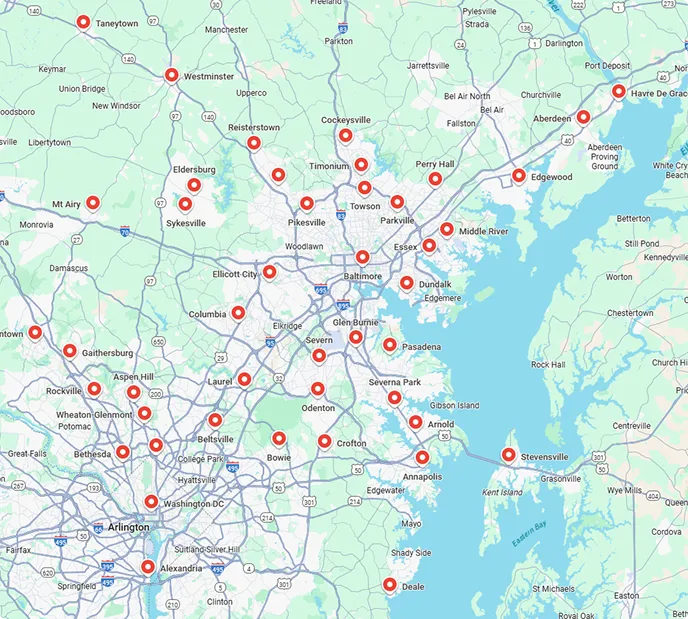
Service areas