



Furnace Maintenance in Edgewood, MD
Routine furnace maintenance from Tario HVAC keeps your home comfortable, reduces energy costs, and prevents breakdowns during Edgewood winters. Whether you live near the Chesapeake Bay or in a neighborhood closer to Aberdeen Proving Ground, seasonal temperature swings and local humidity can stress heating systems. Our proper, scheduled maintenance addresses common furnace problems, verifies safety components, and optimizes efficiency - all essential for reliable performance in Edgewood, MD homes.
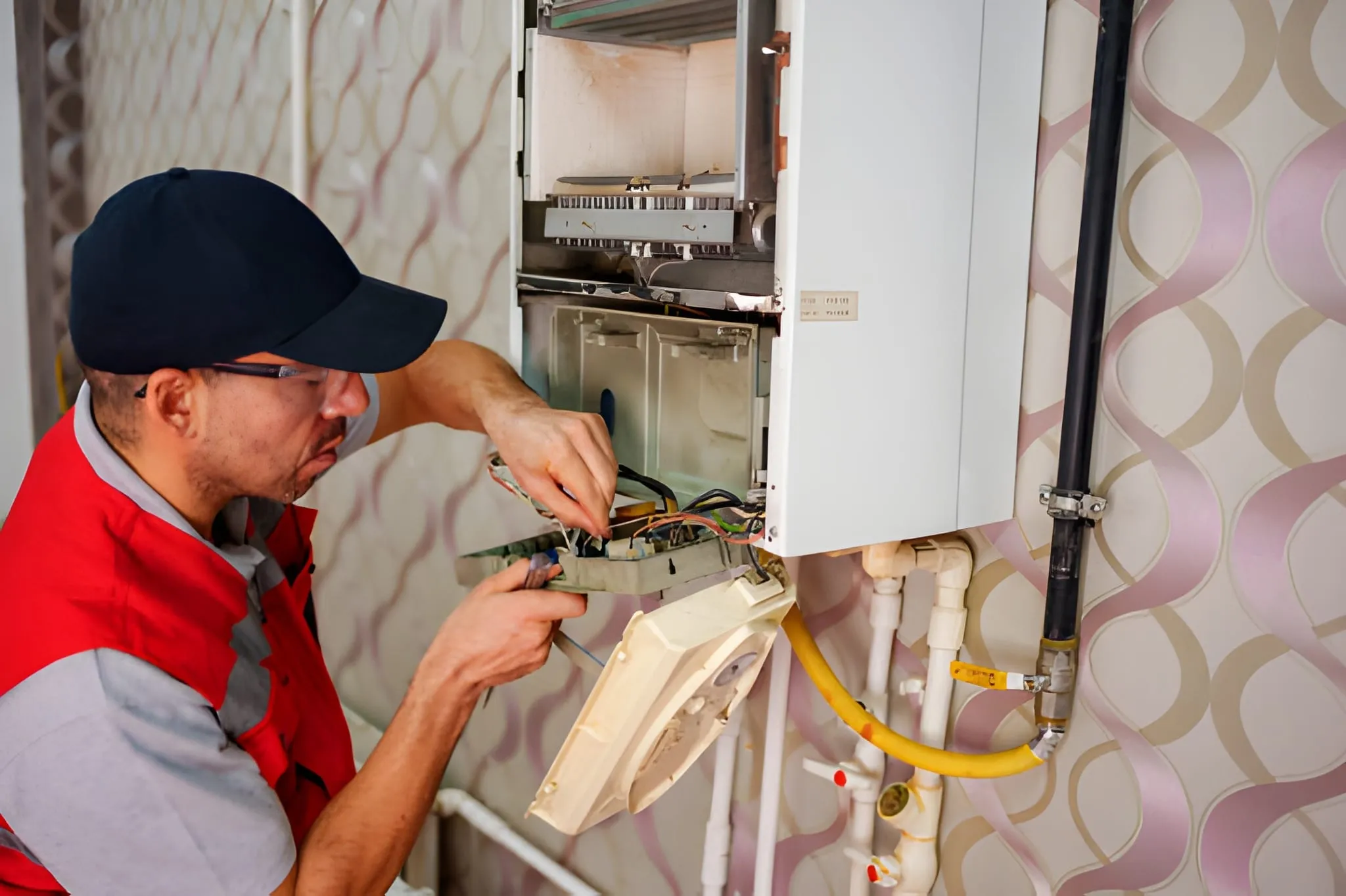
Furnace Maintenance in Edgewood, MD
Routine furnace maintenance keeps your home comfortable, reduces energy costs, and prevents breakdowns during Edgewood winters. Whether you live near the Chesapeake Bay or in a neighborhood closer to Aberdeen Proving Ground, seasonal temperature swings and local humidity can stress heating systems. Proper, scheduled maintenance addresses common furnace problems, verifies safety components, and optimizes efficiency - all essential for reliable performance in Edgewood, MD homes.
Why furnace maintenance matters in Edgewood, MD
Edgewood experiences cold winters and humid conditions that can accelerate wear on heating systems. Higher indoor humidity and seasonal pollen contribute to clogged filters and reduced airflow. Coastal influence can increase corrosion risk for venting and flue components on some properties. Regular maintenance:
- Restores peak heating efficiency to lower monthly energy use
- Identifies safety issues like cracked heat exchangers that can cause carbon monoxide risk
- Extends equipment life and delays premature replacement
- Reduces the likelihood of mid-winter emergency repairs
Common furnace maintenance issues in Edgewood, MD
Addressing these problems during a preventive visit stops them from becoming urgent repairs:
- Reduced airflow or weak heat delivery from clogged filters, blower issues, or duct leaks
- Uneven heating between rooms due to zoning or airflow imbalances
- Increased energy bills from dirty burners, restricted vents, or failing components
- Noisy operation such as rattling, banging, or high-pitched sounds from bearings or belts
- Short cycling or frequent on/off cycles caused by thermostat or safety control malfunctions
- Ignition failures or pilot light instability on gas-fired furnaces
- Corrosion or venting problems accelerated by coastal humidity
What a seasonal furnace tune-up includes
A professional furnace tune-up is a systematic inspection and cleaning to ensure safe, efficient operation. Typical seasonal tune-up tasks include:
- Visual inspection of the furnace cabinet, piping, and venting for corrosion, leaks, or damage
- Filter check and replacement per the recommended schedule
- Cleaning burners and combustion chambers to ensure complete, efficient combustion
- Inspection and cleaning of blower assembly, motor, and belts to restore airflow
- Testing and calibration of thermostat and controls for accurate temperature management
- Inspection of safety controls, limit switches, and ignition systems
- Heat exchanger inspection for cracks or damage that can cause combustion gas leaks
- Combustion analysis or CO spot checks where applicable to verify safe operation
- Lubrication of moving parts and tightening electrical connections
- Efficiency optimization through adjustments to fuel/air ratio and control settings
Filter replacement schedules and simple maintenance homeowners can do
Filters are the first and most frequent maintenance item. A proper schedule helps maintain airflow and indoor air quality:
- Standard 1-inch filters: check monthly, replace every 30 to 90 days depending on use, pets, and pollen levels
- Pleated or higher-MERV filters: inspect monthly, replace every 90 days or per manufacturer guidance
- Homes with pets or allergies: consider more frequent changes or upgraded filters
- Keep return vents clear of furniture and debris to maximize airflow
- Simple homeowner steps between professional visits: change filters, keep the area around the furnace clear, and visually inspect visible flue piping and the furnace for leaks or odd smells.
Diagnostic process and how technicians inspect your system
A thorough diagnostic follows a standard sequence to locate root causes rather than treating symptoms:
- Review service history and homeowner observations about performance
- Visually inspect furnace, ductwork, vents, and thermostat settings
- Verify electrical safety, measure voltage and amperage to motors
- Check airflow and duct system performance
- Test combustion components, ignition, and safety controls
- Inspect heat exchanger and venting for cracks, blockages, or corrosion
- Run a full system cycle to observe noise, cycling behavior, and temperature rise
- Provide a documented report of findings, recommended repairs, and efficiency improvements
Efficiency optimization and performance improvements
Small adjustments and cleaning can yield measurable gains:
- Cleaning burners and adjusting fuel/air mixture for complete combustion
- Replacing worn blower components and balancing airflow to reduce motor strain
- Sealing accessible duct leaks to prevent heat loss and improve comfort
- Calibrating thermostats and upgrading to programmable settings for better control
- Replacing old or damaged filters with higher efficiency options where appropriate
Recommended service intervals for Edgewood homes
- Annual professional furnace tune-up in fall before the heating season begins
- Biannual inspection for older systems (10+ years) or high-usage homes
- Filter checks monthly; replace every 1 to 3 months depending on filter type and conditions
- Carbon monoxide detector check and battery replacement at least once a year
- Regular preventive visits reduce the chance of winter failures and help budget for any needed repairs.
Membership and service agreement options explained
Service agreements simplify ongoing maintenance and provide predictable care:
- Scheduled annual or biannual tune-ups included on a set schedule
- Priority appointment slots during peak heating season
- Waived or reduced diagnostic fees for covered issues
- Discounted repair labor and parts for covered components
- Seasonal reminders and coordinated timing to prepare your furnace ahead of cold spells
- Optional add-ons: filter delivery, indoor air quality assessments, and extended safety inspections
- Memberships are designed to protect both performance and long-term equipment value while giving homeowners predictable maintenance planning.
Benefits of preventative furnace maintenance
Preventative care offers clear advantages for Edgewood homeowners:
- Safer operation through verified safety controls and heat exchanger checks
- Lower operating costs from improved combustion and airflow
- Fewer unexpected breakdowns and more comfortable, consistent heating
- Extended service life for furnace components, delaying replacement costs
- Documentation and service history that supports resale value and warranty requirements
Q: How often should I schedule furnace maintenance in Edgewood, MD?
A: Schedule a professional tune-up annually in the fall; consider biannual checks for older systems or heavy-use homes.
Q: What is included in a typical furnace tune-up?
A: A tune-up usually includes filter check and replacement, burner and blower cleaning, safety control testing, heat exchanger inspection, combustion analysis if needed, and efficiency adjustments.
Q: How can I tell if my heat exchanger is cracked or unsafe?
A: Indications include soot buildup, a strong odor of combustion gases, pilot/ignition issues, or elevated CO detector readings. Only a trained technician should perform a heat exchanger inspection.
Q: How often should I change my furnace filter?
A: Inspect filters monthly. Replace standard 1-inch filters every 30 to 90 days; pleated filters may last up to 90 days depending on conditions like pets and pollen.
Q: Will maintenance lower my heating bills in Edgewood?
A: Yes. Proper cleaning, calibration, and airflow restoration improve efficiency and typically reduce energy use and monthly heating costs.
Q: What are the advantages of a service agreement for furnace maintenance?
A: Service agreements provide scheduled tune-ups, priority service during peak season, reduced diagnostic fees, discounts on repairs, and reminders to keep maintenance current.

Service areas
