

Furnace Installation in Edgewood, MD
A properly sized, code-compliant furnace is the backbone of year-round comfort for Edgewood, MD homes. Whether replacing an aging unit or installing a system for the first time, a professional furnace installation from Tario HVAC ensures safe operation, peak efficiency, and reliable heat through the cold Harford County winters. We'll outline the full furnace installation process, common local considerations, and the post-installation steps that protect your investment and indoor comfort.
-min.webp)
Furnace Installation in Edgewood, MD
A properly sized, code-compliant furnace is the backbone of year-round comfort for Edgewood, MD homes. Whether replacing an aging unit or installing a system for the first time, a professional furnace installation ensures safe operation, peak efficiency, and reliable heat through the cold Harford County winters.
Why a correct furnace installation matters in Edgewood, MD
Edgewood sees cold winter temperatures, seasonal humidity, and coastal air influences from the Chesapeake Bay. Those factors affect equipment selection, corrosion resistance, venting strategies, and system sizing. A correct installation reduces fuel costs, prevents drafts and cold spots common in older local homes, and avoids repeated service calls caused by improper venting or undersized equipment.
Initial home assessment and load calculation
A thorough installation begins with an on-site assessment. Key actions include:
- Inspecting the home layout, insulation levels, window types, and attic and basement conditions.
- Reviewing existing ductwork, venting paths, and the current fuel source (natural gas, propane, oil, or electric).
- Performing a heating load calculation (commonly referred to as a Manual J calculation) to determine the precise furnace capacity required for your specific home.
- Identifying any distribution issues such as undersized ducts or rooms with poor airflow.
The load calculation prevents oversized or undersized installations. Oversizing leads to short cycling and reduced comfort; undersizing leaves rooms cold during peak winter loads.
Selecting the right system and fuel type
Edgewood homeowners commonly choose between:
- Natural gas furnaces - Efficient and typically lower operating costs where municipal gas is available. Requires proper venting and combustion air.
- Propane or oil furnaces - Common in neighborhoods without gas mains. Fuel storage, delivery logistics, and combustion venting are important considerations.
- High-efficiency condensing furnaces - Offer higher AFUE ratings and reduced fuel consumption but require drain connections for condensate.
- Hybrid options and heat pumps - In some homes, a heat pump paired with a furnace (dual fuel system) can optimize efficiency across shoulder seasons and winter.
System selection factors include fuel availability in Edgewood, anticipated energy costs, desired efficiency, and existing ductwork compatibility.
Ductwork and venting requirements
Properly sized and sealed ductwork is essential for performance:
- Assess ducts for leaks, insulation needs, and capacity for the new furnace’s airflow requirements.
- Upgrade or reconfigure trunks and registers when necessary to balance room temperatures and maintain system efficiency.
- Venting must meet combustion and code requirements. For gas and oil units, install or adapt chimneys, direct vents, or power vents as needed. Condensing units require PVC venting and condensate drainage.
- Consider corrosion-resistant materials in coastal-influenced areas to mitigate rust and premature failure.
Permitting and code compliance
Furnace installations in Edgewood require local permits and inspections to ensure compliance with state and municipal codes. Typical requirements include:
- Permit application and plan review for equipment changeouts or new installs.
- Compliance with ventilation, combustion air, and flue sizing rules.
- Inspection and sign-off after installation.Following permitting procedures prevents safety hazards and protects warranty coverage.
Step-by-step installation process
A standard professional installation typically follows these steps:
- Remove the old equipment and properly dispose of any hazardous materials, including old oil tanks if applicable.
- Prepare the installation area and ensure proper clearances and foundations for the new furnace.
- Install or modify venting systems and combustion air inlets per code.
- Connect gas, oil, or electrical services following local code and utility requirements.
- Set up furnace piping, condensate drains for high-efficiency units, and flue connections.
- Integrate the furnace with existing ductwork, making duct repairs or upgrades as identified in the assessment.
- Install or program the thermostat and any zoning controls.
- Verify electrical connections and safety devices.
Installations may require coordination with gas utility companies, chimney services, or plumbing professionals for condensate handling.
Post-installation testing and commissioning
Commissioning ensures the system operates safely and efficiently:
- Perform combustion analysis and CO testing for combustion-fired units to confirm safe venting and proper fuel-air ratio.
- Measure airflow, static pressure, and temperature splits to verify duct and equipment balance.
- Test thermostat operation, zoning controls, and system cycling behavior.
- Check condensate drainage and vent terminations for correct clearances.
- Document performance metrics and provide warranty registration documentation.
Thorough testing avoids common post-installation problems like uneven heating, poor draft, or high fuel consumption.
Warranty registration and documentation
Registering manufacturer warranties is an important final step. Keep documentation that includes:
- Equipment model and serial numbers.
- Installation date and installer information.
- Permits and inspection receipts.Warranties typically require professional installation and proof of regular maintenance, so retain maintenance records to protect long-term coverage.
Common furnace installation issues in Edgewood, MD and how they are addressed
- Inadequate sizing from skipped load calculations - Solution: perform a Manual J and right-size the unit.
- Corroded venting or flue problems in coastal-influenced locations - Solution: use corrosion-resistant materials and ensure proper draft.
- Poor duct sealing in older homes - Solution: test and seal or replace ducts, add insulation where needed.
- Fuel delivery interruptions for propane or oil customers during storms - Solution: plan for adequate on-site fuel storage and consider dual-fuel strategies when appropriate.
- Condensate freezing in winter for high-efficiency units - Solution: insulate condensate lines and locate drains where freezing is unlikely.
Tips for efficient operation and long-term performance
- Change or clean filters every 1 to 3 months during heavy use.
- Schedule annual maintenance visits before the winter season for combustion safety checks and tune-ups.
- Seal and insulate ducts, especially in unheated basements and attics.
- Use a programmable or smart thermostat to reduce run time during unoccupied periods.
- Consider adding zoning or variable-speed options to improve comfort and efficiency in larger or multi-level Edgewood homes.
FAQ
Q: How long does a typical furnace installation take?
A: Most residential furnace replacements take one day to complete if ductwork changes are minimal. Complex installs with duct redesign, venting work, or permit inspections may take two to three days.
Q: Do I need a permit for a new furnace in Edgewood, MD?
A: Yes. Most furnace installations require local permits and inspections to verify compliance with safety and building codes.
Q: Will a new high-efficiency furnace reduce my heating bills?
A: A high-efficiency furnace can lower fuel consumption, but actual savings depend on current equipment efficiency, fuel type, home insulation, and proper installation and commissioning.
Q: Can I switch fuel types during installation, for example from oil to gas?
A: Switching fuel types is possible but requires additional work such as new fuel lines, venting changes, possible chimney upgrades, and coordination with utility providers, plus permit approval.
Q: How often should I have my furnace serviced after installation?
A: Annual service before the heating season is recommended. High-use homes may benefit from twice-yearly checks on filters, burners, and safety controls.
Q: What should I keep for my warranty records?
A: Keep the installation invoice, permit and inspection receipts, equipment serial numbers, and maintenance service records to meet warranty requirements and ensure coverage.

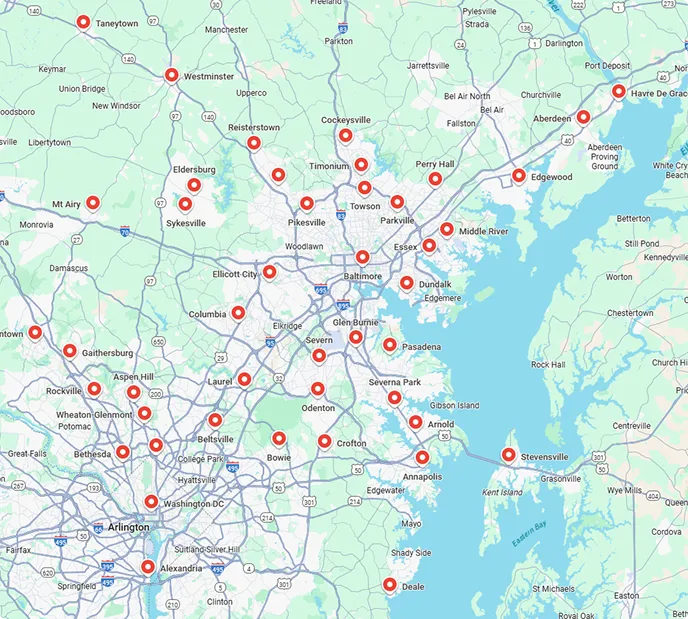
Service areas