

Heat Pump Replacement in Germantown, MD
Wondering when to replace a heat pump in Germantown, MD? Tario HVAC can help you understand how a careful replacement plan delivers comfort, energy savings, and long-term reliability. We cover common warning signs, outline a structured evaluation process, discuss sizing with Manual J, and perform a thorough cost-benefit analysis. We review selecting efficient models, available rebates, and financing options, plus removal, disposal, permits, and timelines. We also outline expected energy savings, warranties, and maintenance steps to maximize performance and incentives for years to come in Germantown homes.
Heat Pump Replacement in Germantown, MD
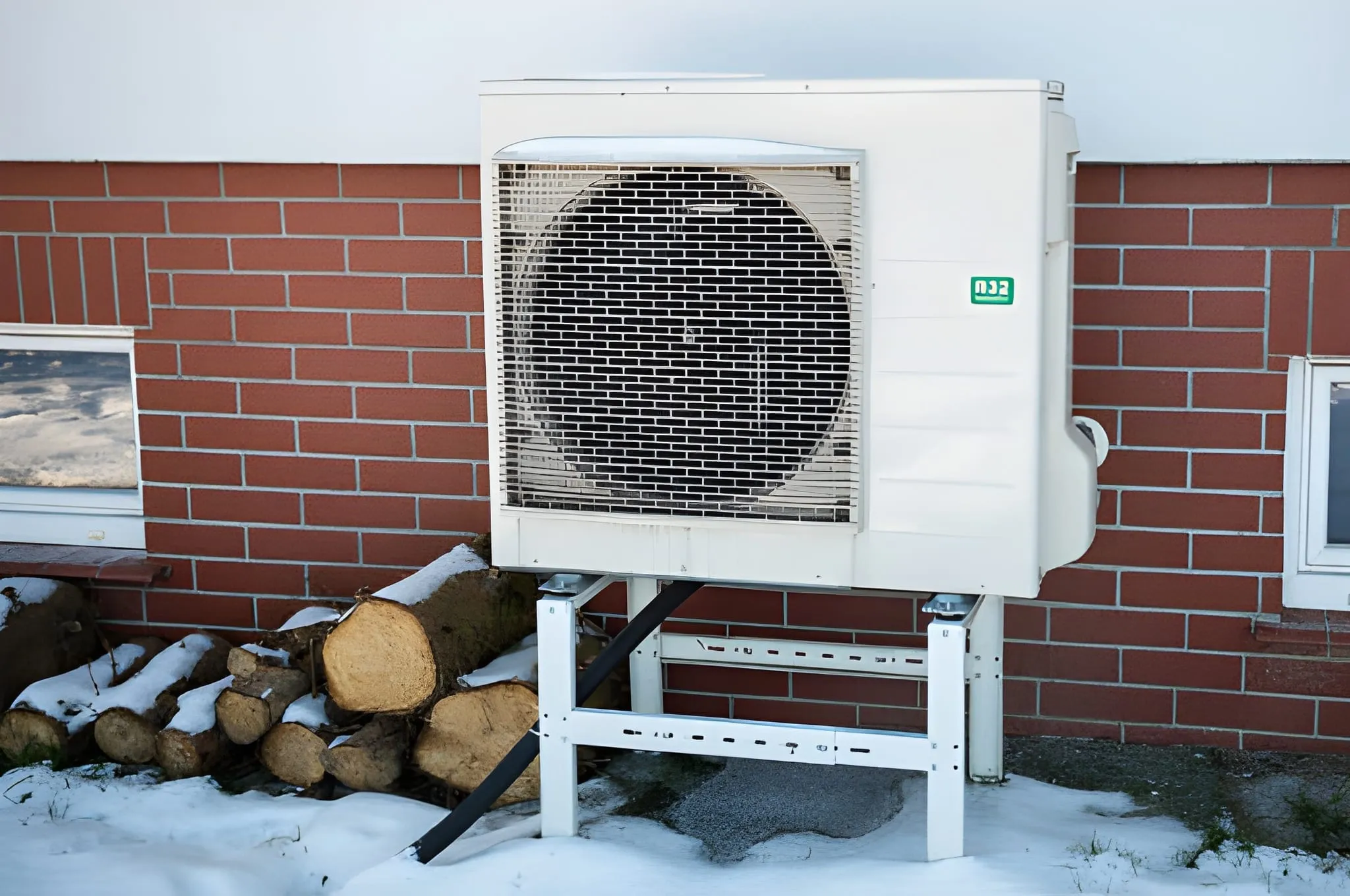
Replacing an aging or failing heat pump is one of the most effective ways to restore year-round comfort in Germantown, MD, lower energy bills, and avoid repeated emergency repairs. With hot, humid summers and cold winters, homes in Germantown put heavy seasonal demand on HVAC equipment. A properly sized, high-efficiency heat pump can deliver quieter operation, more consistent indoor temperatures, and meaningful energy savings while qualifying for local and federal incentives.
Common signs you need heat pump replacement in Germantown, MD
- Unit age 10 to 15 years or older and recurring breakdowns
- Rising energy bills despite routine maintenance
- Uneven heating and cooling between rooms or persistent humidity issues
- Compressor or refrigerant failures, or use of phased-out refrigerants like R-22
- Frequent repairs that exceed roughly 40 to 50 percent of replacement cost
- Excessive noise, frequent short-cycling, or poor defrost performance in winter
If you are seeing any of these, a replacement evaluation will determine whether repair or replacement is the smarter long-term decision.
The replacement process and cost-benefit analysis
A thorough heat pump replacement starts with a structured evaluation so you make an informed financial choice.
Onsite system evaluation and energy review
- Inspect existing equipment, ductwork, thermostat, and refrigerant type
- Review recent energy bills and homeowner comfort complaints
- Identify symptoms of failing components and estimate repair costs
Load calculation and cost-benefit analysis
- Perform a Manual J load calculation to size equipment correctly for your Germantown home
- Compare lifecycle costs: estimated installation expense, expected annual energy use, projected maintenance, and equipment lifespan
- Calculate simple payback and annual energy savings ranges so you see when the new system pays back
Recommendation
- Present options ranging from high-efficiency air-source and cold-climate heat pumps to ductless mini-splits if zoning or poor ductwork is a factor
- Provide anticipated savings, warranty coverage, and potential rebates to show net cost
Equipment selection and proper sizing for optimal efficiency
Choosing the right heat pump is not just about the model name. Proper sizing and system matching drive long-term performance.
- Sizing: Correct tonnage based on Manual J prevents short-cycling and humidity problems. Oversized units cool quickly but leave rooms clammy; undersized units run continuously and shorten life.
- Efficiency ratings: Look for higher SEER2 for cooling and higher HSPF2 or COP for heating. Modern cold-climate models maintain efficiency in Maryland winters.
- Variable-speed inverter compressors: These improve comfort, reduce energy use, and run quieter than single-speed units.
- Ducted vs ductless: Ductless mini-splits are efficient for homes with limited or leaky ductwork. Matched air handler and outdoor unit pairs maximize performance.
- Controls: Smart thermostats and zoning dampers further optimize performance and can increase realized energy savings.
High-efficiency models, rebates, and incentives
Homeowners in Germantown often qualify for multiple incentives that reduce the effective cost of a high-efficiency heat pump.
- High-efficiency options include inverter-driven air-source heat pumps and cold-climate models that perform well at low outdoor temps. Look for ENERGY STAR rated units and high SEER2/HSPF2 numbers.
- Incentives: Federal tax credits, Maryland energy efficiency programs, and utility rebates from local providers can lower upfront costs. Eligibility depends on model efficiency, installation date, and homeowner qualifications.
Ask for the documented projected savings and incentive estimates during your replacement analysis to see the net cost and payback timelines specific to your property.
Removal, disposal, permitting, and timeline
Replacement includes controlled removal and responsible disposal of the old system.
- Refrigerant recovery: Federal and state regulations require certified recovery of refrigerant before unit disposal. Proper handling protects air quality and avoids fines.
- Recycling and disposal: Scrap metal and components are recycled where possible; oil and other contaminants are disposed of per local requirements.
- Permits and inspections: Montgomery County and Germantown building codes require permits for equipment replacement and may require an inspection. Expect permit processing and inspection coordination to be part of the project scope.
- Typical timeline: A standard like-for-like replacement is commonly completed in 1 to 3 days. Projects that include ductwork modifications, electrical upgrades, or permit wait times may take longer, often up to one week.
Financing options and warranties
Replacing a heat pump is an investment; flexible financing and solid warranties protect that investment.
- Financing: Many homeowners use lender-based financing plans or energy-efficient financing to spread cost over months or years. Terms vary by lender and homeowner credit profile.
- Warranties: Manufacturer warranties commonly include parts and compressor coverage for specified years. Extended labor warranties or service plans can add protection. Review warranty terms for transferability, registration requirements, and what constitutes routine maintenance.
Expected energy savings and performance improvements
Exact savings depend on your current system, home insulation, duct condition, thermostat habits, and local energy prices, but typical outcomes include:
- Heating and cooling energy savings: Replacing an old heat pump with a high-efficiency model often reduces HVAC energy use by 20 to 40 percent compared with a 10 to 15 year old unit. Upgrading from electric resistance or older gas systems to a modern heat pump can yield even larger savings.
- Cost reductions: Many Germantown homeowners see several hundred dollars in annual utility bill reductions; savings can be greater in homes with high cooling loads or poor prior system efficiency.
- Comfort and indoor air: More even temperatures, better humidity control, and quieter operation are common, improving daily comfort and indoor air quality.
Maintenance and long-term care
To protect performance and warranty, follow routine maintenance best practices:
- Schedule biannual tune-ups: one for cooling season and one for heating season
- Replace or clean filters regularly and keep outdoor unit clear of debris and vegetation
- Seal and insulate ducts to reduce losses and improve system capacity
- Monitor thermostat settings and consider a smart thermostat to optimize schedules and setbacks
Replacing a heat pump is a technical decision with long-term financial and comfort implications. A careful evaluation, correct sizing, and selecting a high-efficiency, properly installed system tailored to Germantown weather patterns will maximize performance, incentives, and energy savings for years to come.

Service areas