

Heat Pump Replacement in Dundalk, MD
For Dundalk homeowners, Tario HVAC is here to help with heat pump replacement, detailing everything from the initial evaluation and accurate load calculations to selecting an efficient model and professional removal and installation. We address coastal climate considerations, common failure indicators, and how modern heat pumps deliver superior heating and climate control with improved efficiency. You'll learn about timelines, warranties, rebates, financing, and long-term maintenance tips designed to maximize comfort, reduce energy use, and protect your investment in a climate with humidity and salt exposure.
Heat Pump Replacement in Dundalk, MD
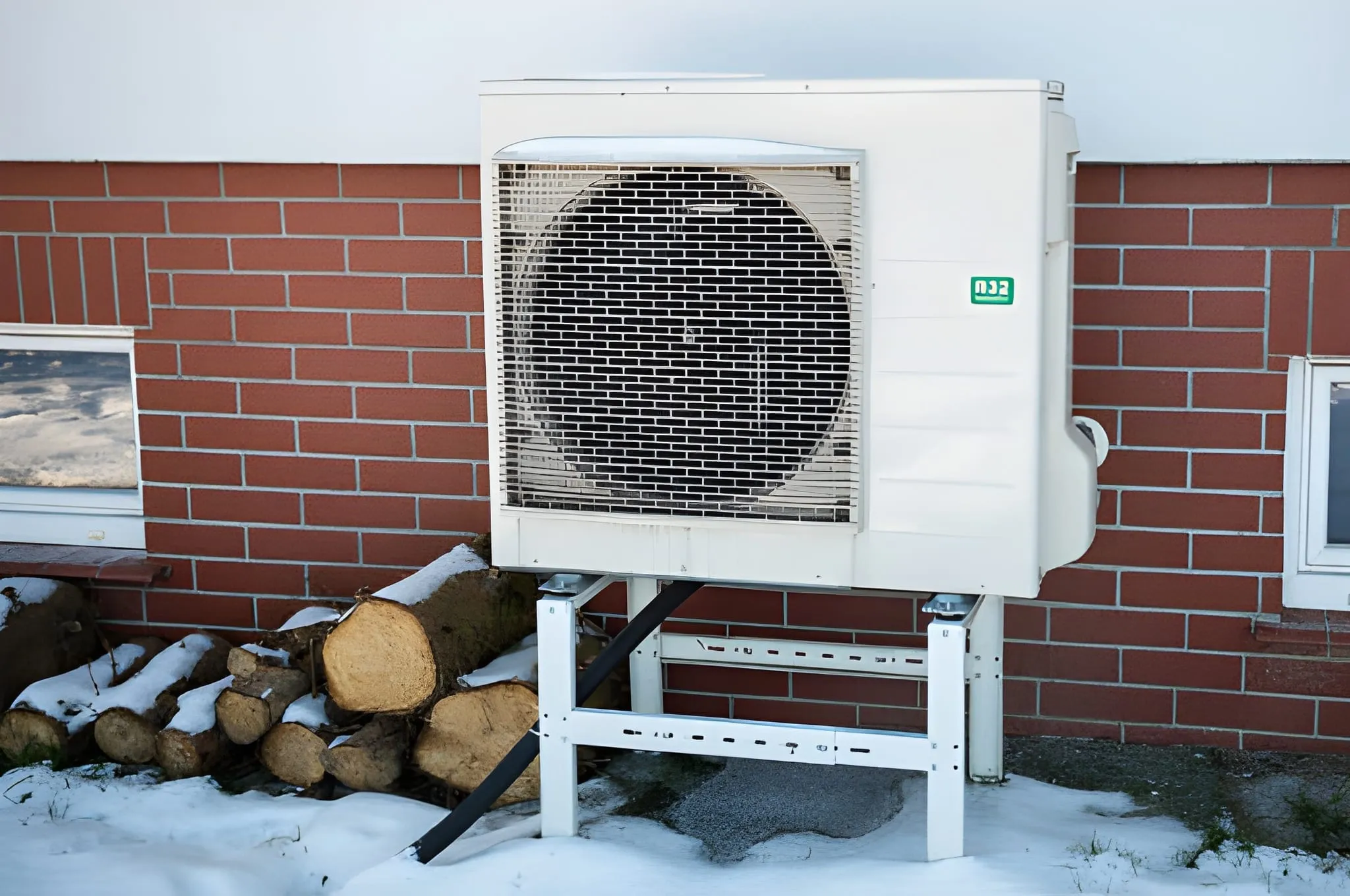
Replacing an aging or failing heat pump is one of the most effective ways to improve year-round comfort, reduce energy bills, and avoid unexpected system failures. For homeowners in Dundalk, MD, a thoughtful heat pump replacement addresses regional challenges like hot, humid summers, chilly winters with occasional cold snaps, and coastal salt air that can accelerate wear.
Why consider a heat pump replacement in Dundalk, MD
- Older units lose efficiency and often rely on refrigerants being phased out; replacement restores performance.
- Coastal humidity and salt exposure in Dundalk can cause corrosion and shortened equipment life; newer models are better sealed and protected.
- Modern heat pumps deliver both heating and cooling with higher efficiency, reducing utility use during hot summers and milder winters.
- If you have frequent repairs, rising energy bills, uneven comfort, or your unit is 10–15 years old, replacement is usually more cost-effective than continued repairs.
Common heat pump problems in Dundalk homes
- Reduced cooling capacity during humid summer months, causing longer run times and higher bills.
- Frosting or inefficient heating during cold snaps; older systems may struggle below certain temperatures.
- Corroded outdoor coils or connections from salt air exposure, leading to refrigerant leaks or compressor failure.
- Noisy operation, frequent short-cycling, or rising repair frequency that indicates imminent system failure.
- Mismatched or undersized replacement units in previous work, producing uneven temperatures and poor efficiency.
Initial evaluation and load calculations
A proper replacement begins with a comprehensive system evaluation and accurate load calculation:
- Inspect indoor and outdoor equipment, ductwork condition, thermostat, and existing refrigerant lines.
- Perform Manual J load calculations to determine the right capacity for your Dundalk home. This accounts for local climate, home orientation, insulation levels, window types, and occupancy.
- Evaluate ductwork leakage, insulation, and airflow. Many performance problems are caused by poor ductwork rather than the heat pump itself.
- Discuss comfort priorities, budget, and long-term goals (for example, decarbonization or preparing for solar integration).
Accurate sizing is critical. An oversized unit short cycles and wastes energy; an undersized unit won’t keep up during extreme weather.
Selecting an energy-efficient model
When choosing a replacement heat pump, focus on features that deliver long-term value:
- Look for higher efficiency ratings (SEER for cooling and HSPF or Heating Seasonal Performance Factor for heating). Higher numbers mean lower operating costs.
- Consider variable-speed compressors and multi-stage systems for quieter operation, tighter temperature control, and better humidity management — a benefit in Dundalk’s humid summers.
- Cold-climate heat pump designs or models with efficient backup heat are worth considering if you experience frequent subfreezing days.
- Durability features such as corrosion-resistant coatings on outdoor coils and sealed electrical components help fight the effects of coastal salt air.
- Evaluate compatibility with smart thermostats and zone control if you want better control and further energy savings.
Removal and responsible disposal
Proper removal protects your home and the environment:
- Certified technicians will recover refrigerant following federal and state regulations to prevent harmful releases.
- The old unit is safely disconnected, and electrical and refrigerant lines are capped or replaced as needed.
- Components are disposed of or recycled according to local hazardous waste rules. Metal, copper, and electronic components are recycled when possible to minimize landfill waste.
Professional installation steps
A smooth replacement follows a clear, professional process:
- Site preparation: Protect floors and landscaping, verify clearances for airflow and service access.
- Ductwork and indoor unit adjustments: Repair or modify ductwork, install new air handler or indoor coil where required.
- Outdoor unit setup: Mount and level the new condenser, connect refrigerant lines, electrical, and communication wiring.
- Evacuation and charging: Evacuate the refrigerant lines to remove moisture and air, then charge the system to manufacturer specifications.
- Controls and testing: Install and configure thermostats, test system operation in heating and cooling modes, measure airflow, and confirm proper temperature differential.
- Customer orientation: Walk through basic operation, filter locations, and maintenance expectations.
Timelines and what to expect
Replacement timelines vary by project scope:
- A straightforward like-for-like swap (same location and matching duct system) can often be completed in one day.
- Complex replacements involving ductwork upgrades, new indoor units, or electrical service changes may take 1–3 days or longer.
- Permit and inspection requirements depend on local Dundalk and Baltimore County codes and can affect scheduling; plan for a few extra days if permits are required.
- Manufacturer and labor warranty registration should be completed soon after installation to activate coverage.
Warranties, rebates, and financing options
- New heat pumps carry manufacturer warranties on compressors and parts; many include extended warranties when registered. Labor warranties cover installation workmanship for a specified period.
- Homeowners in the Dundalk/Baltimore region can often find state and utility rebate programs, tax incentives, or financing solutions that reduce upfront cost or improve payback. Investigate local incentives and utility programs to see what applies to your project.
- Flexible financing options from third-party lenders can make a higher-efficiency system more affordable by spreading payments over time. Review terms and warranty transferability when evaluating financing.
Long-term performance and cost-savings comparison
- Modern heat pumps typically provide substantial energy savings compared to older heat pumps or electric resistance heating, especially when paired with proper sizing and efficient ductwork.
- Expect lower annual heating and cooling costs thanks to higher efficiency ratings and better humidity control during Maryland summers.
- Reduced maintenance and fewer emergency repairs are common with newer, warranty-backed systems.
- Over the life of the equipment, energy savings and increased home comfort often justify the replacement investment, particularly in a climate with both significant cooling and milder winter heating needs.
Maintenance and maximizing lifespan
- Regular maintenance preserves efficiency and extends service life: change air filters quarterly, schedule annual tune-ups in spring and fall, and keep the outdoor unit clear of debris and vegetation.
- For Dundalk homes, rinsing the outdoor coil periodically and inspecting for corrosion helps prevent salt-related damage.
- Upgrade to a smart thermostat or zoning controls to fine-tune performance and reduce wasted runtime.
Replacing a heat pump is a major home investment that pays off through comfort, reliability, and energy savings. For Dundalk homeowners, the right equipment and professional replacement process account for the coastal environment, humidity challenges, and local code requirements to ensure a durable, efficient system that meets your home’s needs for years to come.

Service areas