



Heat Pump Repair in Dundalk, MD
Heat pump repair in Dundalk, MD requires local knowledge of coastal corrosion, humidity effects, and seasonal temperature swings. Proper diagnosis, EPA-compliant refrigerant handling, and quality parts and workmanship restore comfort and efficiency. Whether you’re facing a refrigerant leak, compressor issue, reversing valve failure, or electrical problem, understanding the diagnostic process, repair options, expected timelines, and repair-versus-replacement factors will help you choose the most cost-effective, lasting solution for your home.
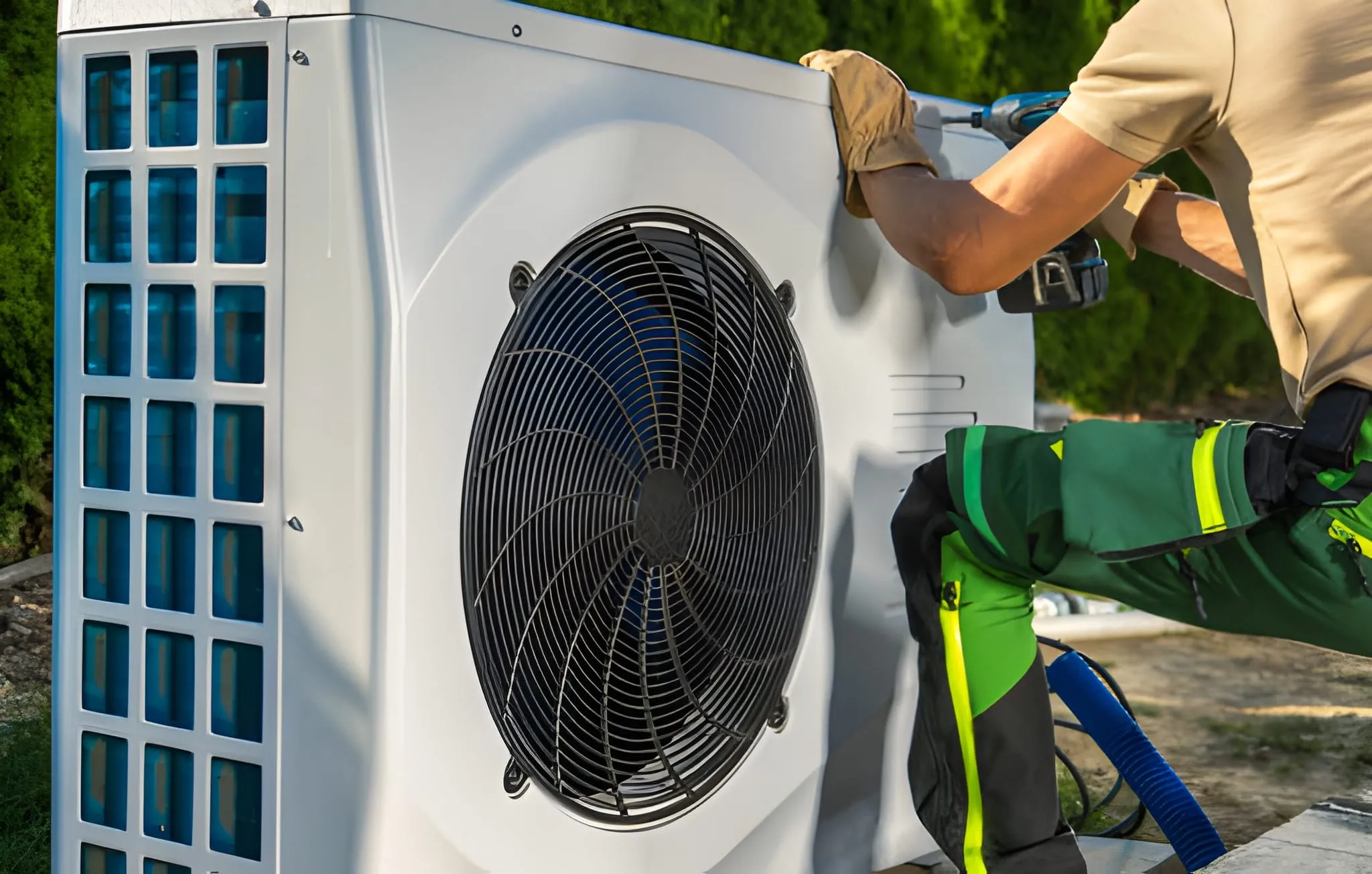
Heat Pump Repair in Dundalk, MD
When your heat pump struggles to keep your Dundalk home comfortable, fast, reliable repair is essential. Heat pumps handle both cooling and heating, so a single fault can leave your home hot, cold, or inefficient. This page explains common heat pump problems in Dundalk, how technicians diagnose and repair them on-site, what to expect for response and turnaround, how estimates are prepared, warranty and safety practices, and when repair makes sense versus replacement.
Common heat pump issues in Dundalk, MD
Dundalk’s coastal proximity, humid summers, and occasional cold snaps create conditions that commonly affect heat pumps. Frequent problems include:
- Compressor failure — unit runs but provides little or no heating or cooling; high energy bills and loud humming are common signs.
- Refrigerant leaks — visible ice on lines, hissing sounds, reduced capacity, and uneven temperatures.
- Reversing valve faults — system is stuck in heating or cooling mode or cycles between modes.
- Electrical failures — tripped breakers, failed contactors, capacitors, or damaged control boards causing intermittent operation or no startup.
- Frozen outdoor unit or defrost issues — poor defrost cycle or corrosion-related sensor faults cause ice buildup in winter.
- Airflow problems — dirty filters, blocked coils, or duct issues reduce system effectiveness.
- Corrosion from salt air — coastal humidity and salt can corrode coils, connections, and fasteners faster than inland areas.
Recognizing these symptoms early prevents more extensive damage and higher energy costs.
Diagnostic and on-site troubleshooting steps
A professional heat pump repair visit in Dundalk typically follows a consistent diagnostic process to identify the root cause efficiently:
- Visual inspection — check outdoor and indoor units for damage, corrosion, or debris; inspect electrical connections and controls.
- System startup and error codes — run the system through heating and cooling cycles and read control board diagnostics.
- Refrigerant pressure checks — measure suction and discharge pressures to detect leaks or undercharging.
- Electrical testing — measure voltage and amperage on the compressor and fan motors to identify failing components.
- Reversing valve and defrost verification — confirm the valve shifts correctly and the defrost cycle functions as intended.
- Airflow and duct assessment — check filters, blower performance, and duct tightness to ensure adequate airflow.
Technicians document findings and outline repair options so you can make an informed decision.
Typical repair procedures and parts replacement
Common repairs and what they involve:
- Refrigerant leak repair: locate leak with electronic detectors or dye, repair or replace affected lines or coils, pressure-test with dry nitrogen, evacuate system to required vacuum, and recharge to manufacturer-specified refrigerant weight.
- Compressor replacement: recover refrigerant, remove and replace compressor and associated components (filter drier, service valves), evacuate and recharge system, then test performance.
- Reversing valve replacement: recover refrigerant, replace the valve (requires brazing and pressure testing), evacuate and recharge, and test mode switching.
- Electrical repairs: replace contactors, capacitors, relays, or control boards; tighten or replace corroded wiring and terminals.
- Fan motor or outdoor coil replacement: swap motors or coils, confirm airflow and fan balance, and retest system.
- Defrost control and sensor replacement: replace faulty defrost controls or sensors and verify proper defrost cycles.
All refrigerant work should be performed by certified technicians following EPA refrigerant-handling regulations. Using OEM or reputable aftermarket parts improves longevity and compatibility.
Expected response and turnaround times
Response and turnaround vary by the severity of the fault and parts availability. Typical timelines in the Dundalk area are:
- Urgent failures affecting safety or complete loss of heating/cooling: many local providers prioritize same-day or next-day service when possible.
- Diagnostic visit: most issues are diagnosed during the initial appointment, with technicians providing a written assessment.
- Simple repairs (electrical parts, filters, small components): often completed during the first visit.
- Major component replacements (compressor, coil, reversing valve): may require ordering parts, extending total repair time to 1–3 business days depending on inventory and delivery.
If corrosive damage or multiple failures are present, additional time may be needed for parts procurement and follow-up testing.
Estimates and what affects repair cost
Rather than providing flat prices, technicians calculate clear, written estimates based on factors such as:
- The specific failed component(s) and whether OEM or aftermarket parts are used.
- Labor required for access, brazing, evacuation, and testing.
- Refrigerant type and quantity needed (older R-22 systems are more expensive to recharge).
- The age and condition of the system — multiple concurrent failures increase cost.
- Emergency or after-hours service requirements and regional parts availability.
Transparent estimates list labor, parts, refrigerant charges, and testing to help you compare repair vs replacement options.
Warranty and safety protocols
Reliable repair work follows strict safety and warranty practices:
- Technicians follow refrigerant-handling laws and use proper recovery, evacuation, and charging equipment.
- All brazing and pressure testing is done with nitrogen to prevent oxidation and ensure leak-free joints.
- Electrical work complies with local code standards and includes proper disconnects, grounding, and secure connections.
- Parts often carry manufacturer warranties; labor warranties vary by provider but should be documented in writing.
- Corrosion-prone components may receive additional protective measures when possible.
These protocols protect your family, the system, and compliance with environmental regulations.
When to repair vs. replace
Deciding between repairing a heat pump and replacing it depends on several factors:
- Age: units older than 10–15 years often justify replacement, especially if efficiency has dropped.
- Repair frequency: repeated repairs within a short period indicate declining reliability and rising lifetime cost.
- Repair cost relative to replacement: a common rule is to consider replacement when a repair costs more than 40–50% of a new system’s value.
- Refrigerant type: older systems using R-22 may be more expensive to service due to refrigerant scarcity.
- Performance needs: if you need reliable heating during Dundalk’s cold snaps or improved efficiency to lower energy bills, modern cold-climate heat pumps may offer better performance and savings.
A qualified technician can provide a comparative analysis showing estimated repair costs, projected lifespan post-repair, efficiency differences, and payback considerations.
Preventive maintenance and long-term benefits
Regular maintenance reduces emergency repairs and extends equipment life. Recommended practices for Dundalk homes include:
- Annual preseason inspections for both heating and cooling modes.
- Regular filter changes and coil cleanings to prevent airflow restriction.
- Clearing debris, salt buildup, and vegetation around the outdoor unit to reduce corrosion.
- Checking and calibrating thermostats and controls.
- Ensuring proper defrosting function before winter.
Well-maintained systems run more efficiently, provide steadier comfort, and cost less over their operational life.

Service areas
