

Heat Pump Replacement in Cockeysville, MD
Heat pump replacement in Cockeysville, MD is a comprehensive, step-by-step service from Tario HVAC. We outline signs replacement is needed, regional considerations for cold winters and humid summers, and common equipment challenges. Tario HVAC details a seven-step process from assessment and sizing to installation, testing, and commissioning, plus financing, incentives, and warranty information. We emphasize reliable climate control, energy efficiency, and long-term maintenance to ensure optimal performance and comfort for Baltimore County homes throughout the life of the system.
.jpeg)
Heat Pump Replacement in Cockeysville, MD
Replacing a failing or outdated heat pump is one of the most effective ways to lower energy bills, improve year-round comfort, and reduce emergency repair calls in Cockeysville, MD homes. With hot, humid summers and cold winters in Baltimore County, a properly sized, modern heat pump delivers reliable heating and cooling while controlling humidity.
When replacement makes sense
Common signs that a heat pump replacement is the right choice include:
- System age of 10 to 15 years or more with frequent breakdowns
- Rising energy bills despite regular service
- Inconsistent heating or cooling across rooms
- Refrigerant leaks, compressor failure, or costly repeated repairs
- Old equipment that uses R22 refrigerant or has poor cold-weather performance
- Homes being upgraded for better efficiency or electrification of heating
Common heat pump replacement issues in Cockeysville
Cockeysville homeowners face a few regional factors that influence replacement decisions:
- Winters can be chilly, so cold-climate heat pump performance matters for reliable heating
- Summers are humid; a replacement should improve dehumidification and comfort
- Many older Baltimore County homes have ductwork constraints that affect system choice
Typical replacement issues encountered during evaluation include undersized or oversized equipment, deteriorated ductwork, improper refrigerant charge, and poor airflow. Addressing these during replacement prevents recurring problems.
The replacement process: what professionals will do
A full heat pump replacement follows a consistent, code-compliant process to ensure performance and longevity.
System evaluation and inspection
- Visual inspection of outdoor and indoor units, ductwork, electrical connections, thermostat compatibility, and refrigerant circuits
- Performance checks to identify airflow, leaks, and distribution problems
Load calculations and proper sizing
- Accurate heat loss and heat gain calculations (Manual J) account for Cockeysville climate, insulation, windows, orientation, and occupancy
- Proper sizing prevents short cycling, reduces humidity problems, and matches capacity to actual needs
Equipment selection and energy-efficient options
- Compare SEER, HSPF or HSPF2, and cold-climate performance ratings rather than choosing by brand alone
- Consider inverter-driven, variable-speed compressors for quieter operation, better dehumidification, and higher seasonal efficiency
- Explore ductless mini split systems for additions or homes with limited ductwork, and consider dual fuel systems where supplemental gas heat is used seasonally
Permitting, scheduling, and timeline
- Local permits and inspections are typically required by Baltimore County codes; professionals will submit and coordinate permits
- Typical timeline: initial evaluation and equipment selection, permit processing, and an installation day or two for standard ducted systems; overall project timing can range from a few weeks to allow for equipment lead times and inspections
Removal, refrigerant recovery, and disposal
- Certified technicians recover refrigerant per EPA rules, safely remove the old outdoor and indoor units, and recycle or dispose of components according to local regulations
- Old equipment removal includes sealing or capping lines and preparing the site for the new system
Installation and start-up testing
- Proper line set routing, electrical connections, condenser pad or mounting, and refrigerant charge verification
- Commissioning includes airflow balancing, duct sealing checks, thermostat calibration, and a full performance test
Financing, rebates, and incentives in Maryland
Many Cockeysville homeowners can combine financing options with state and federal incentives to lower upfront costs. Available pathways often include:
- Low-interest financing plans through consumer lenders or HVAC financing programs
- State and utility rebates for qualifying energy-efficient heat pumps or cash incentives through local programs
- Federal tax credits for high-efficiency heat pumps under current energy incentive programsEligibility varies by model and program requirements. Including rebate and financing considerations in the equipment selection stage helps choose systems that maximize long-term value.
Warranty coverage and protecting your investment
New heat pumps typically include manufacturer warranties for compressors and parts, commonly ranging from 5 to 10 years for major components when registered. Labor warranties and extended coverage options are often available through installers. To keep warranties valid:
- Register equipment with the manufacturer when required
- Follow recommended maintenance schedules, including annual tune-ups and filter changes
- Ensure installation documentation and receipts are retained for any future warranty claims
Expected efficiency and cost-savings after replacement
Replacing an older heat pump with a modern, properly sized system yields measurable benefits:
- Improved seasonal efficiency can reduce heating and cooling energy use significantly, often by 20 to 40 percent depending on the starting equipment and system selection
- Better humidity control and consistent temperatures improve comfort in Cockeysville summers and reduce reliance on backup heating in winter
- Variable-speed systems reduce cycling losses and lower peak demand charges for some customers
Accurate energy savings estimates require a comparison of the existing system performance, local energy prices, and the chosen equipment. Professionals can provide modeled projections during the evaluation phase.
Post-installation maintenance and tips for longevity
To protect performance and extend lifespan:
- Schedule annual maintenance checks for refrigerant charge, electrical safety, and airflow
- Replace or clean filters regularly to preserve efficiency and indoor air quality
- Keep outdoor units clear of leaves and debris and maintain a few feet of clearance for airflow
- Consider a maintenance plan that includes priority service and seasonal tune-ups to preserve warranties and efficiency

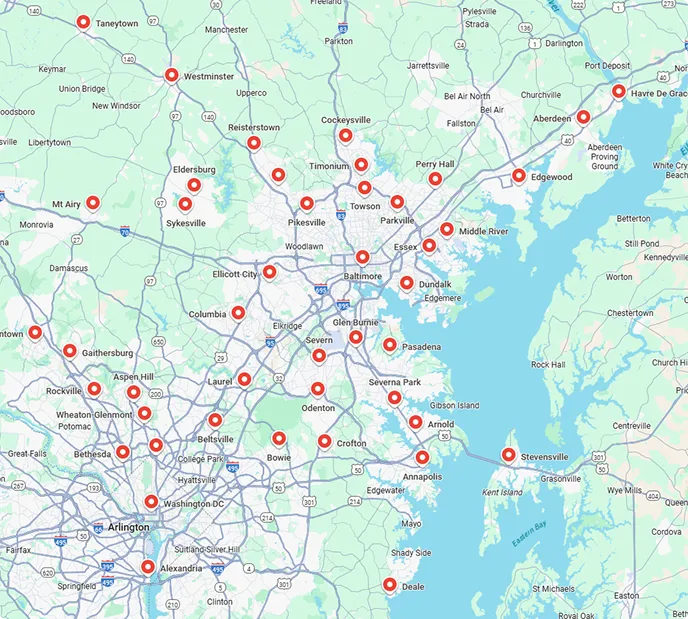
Service areas