

Heat Pump Repair in Cockeysville, MD
Heat pump repair in Cockeysville, MD is explained with a focus on diagnosing common problems, from reduced heating or cooling output to ice buildup and unusual noises. The page outlines the diagnostic steps technicians use, typical parts replaced, and how manufacturer compatibility and refrigerants affect repairs. It also covers estimated timelines, warranty considerations, and how scheduling a service visit works, along with preventive maintenance tips to extend system life and maintain energy efficiency in seasonal conditions.
.jpeg)
Heat Pump Repair in Cockeysville, MD
Keeping your heat pump running reliably is essential in Cockeysville, MD, where humid summers and chilly winters mean year-round demand.
Why timely heat pump repair matters in Cockeysville
Cockeysville experiences a wide temperature range: warm, humid summers and cold snaps in winter. Heat pumps used for both heating and cooling can suffer performance loss or fail completely if problems are not addressed promptly. In winter, a malfunctioning heat pump can cause comfort and safety issues if backup heat is not available. In summer, reduced cooling performance raises indoor humidity and energy bills. Prompt diagnosis and repair restore efficiency, prolong equipment life, and protect comfort in your home.
Common heat pump problems in Cockeysville homes
- Poor heating or cooling output: often caused by low refrigerant, compressor issues, or airflow restrictions.
- Unit not turning on or tripping breakers: typically electrical faults, failed capacitors, or control board problems.
- Ice buildup on the outdoor unit: common in winter when defrost cycle fails or refrigerant is low.
- Loud or unusual noises: failing fan motors, compressor knocking, or loose components.
- Short cycling or frequent on/off cycles: could indicate refrigerant charge issues, oversized controls, or thermostat problems.
- Reversing valve failure: heat pump stuck in one mode (heating or cooling) or intermittent switching.
- Leaking refrigerant or oil stains near the outdoor unit: signs of line or coil leaks that need immediate attention.
- Reduced airflow or weak fan operation: clogged filters, blower motor failure, or outdoor fan problems.
Emergency response and when to seek immediate service
Emergencies include no heat during freezing conditions, burning smells, visible refrigerant leaks, or persistent electrical tripping. In those situations a technician will typically advise shutting the system off at the thermostat and breaker to prevent further damage and dispatch an emergency responder. For non-life-threatening but urgent problems, rapid-response appointments minimize exposure to extreme indoor temperatures and prevent secondary damage like frozen pipes in winter.
Diagnostic process: what to expect
Technicians follow a structured diagnostic checklist to isolate the problem quickly and accurately:
- Visual inspection: check outdoor and indoor units, wiring, and thermostat settings for obvious issues.
- System startup and performance check: observe heating and cooling cycles, airflow, and noise.
- Electrical testing: measure voltages, capacitor health, contactor operation, and control voltages.
- Refrigerant check: measure pressures and look for signs of leaks using leak detectors.
- Motor and fan evaluation: test condenser fan motor and indoor blower for proper operation.
- Reversing valve and defrost cycle check: confirm valve switching and proper defrost function in cold weather.
- Component-level troubleshooting: use targeted tests on compressors, capacitors, contactors, and control boards.
- Report and options: provide a clear explanation of findings, repair options, part requirements, and expected timelines.
Diagnostics typically take one hour to 90 minutes on site. Clear communication about findings helps homeowners make informed repair decisions.
Typical parts replaced and repair solutions
Common parts replaced during heat pump repair include:
- Compressors: when the unit cannot pressurize or run efficiently; replacement is significant and often more costly and time-consuming.
- Reversing valves: fail to switch modes or leak internally, requiring replacement.
- Outdoor fan motors and indoor blowers: cause airflow and cooling/heating problems when defective.
- Capacitors and contactors: common electrical wear items that cause starting failures or intermittent operation.
- Expansion devices and TXVs: affect refrigerant flow and system balance.
- Control boards and thermostats: modern systems rely on electronics that can fail or need reprogramming.
- Coils, line sets, and filters: repairs for leaks or airflow restrictions.
Repair methods vary from simple part swaps (capacitor, contactor) to complex jobs (compressor replacement, refrigerant recovery and recharge, reversing valve replacement). Technicians prioritize repairs that restore safe, efficient operation while considering system age and remaining useful life.
Manufacturer compatibility and refrigerant considerations
Heat pumps must be repaired with parts compatible with the original equipment manufacturer specifications. Key compatibility points include:
- Refrigerant type: many newer systems use R-410A or other low-pressure refrigerants; using the wrong refrigerant is unsafe and voids warranties.
- Compressor and motor replacement: match capacity and model family for proper performance.
- Controls and thermostats: ensure firmware and wiring compatibility to avoid communication errors.
- Line length and charge adjustments: account for system design differences when replacing components.
Technicians will verify model and serial numbers before ordering parts and explain whether OEM parts, equivalent aftermarket components, or full system replacement is recommended.
Estimated repair timelines
- Minor electrical repairs or capacitor/contactor replacements: usually completed in a single visit, 1 to 3 hours.
- Fan motor or reversing valve replacements: several hours, sometimes requiring partial system recovery and testing.
- Compressor replacement or major refrigerant work: often requires ordering parts and coordinating refrigerant recovery, so repairs may span a day or multiple visits depending on parts availability.
- Complex diagnostics with leak searches and coil replacements: can take multiple visits if parts must be fabricated or ordered.
Technicians will identify lead times during the diagnostic and set realistic expectations for parts delivery and completion windows.
Warranty and service guarantees
Quality repair work should include clear warranty coverage for parts and labor. Typical protections homeowners should expect:
- Parts warranty: manufacturer or aftermarket part warranty varies by component; technicians should note remaining manufacturer warranty if applicable.
- Labor warranty: a service guarantee for a defined period after repair ensures workmanship issues are addressed.
- Diagnostic fee application: some providers credit diagnostic fees toward repairs completed within a set time.
- Service guarantees: commitments to safe, code-compliant repairs and cleaned work area.
Always confirm warranty terms, what is covered, and whether warranties transfer with replacements or system changes.
How scheduling a service call typically works
Scheduling generally involves these steps without requiring immediate decisions during a service visit:
- Request and intake: provide system model, symptoms, and preferred appointment windows.
- Triage and prioritization: emergency requests are prioritized; non-emergency repairs are scheduled based on availability.
- On-site diagnostic visit: a technician conducts the diagnostic and presents repair options and timelines.
- Parts ordering and scheduling follow-up: if parts are required, a return visit is scheduled when parts arrive.
- Completion and paperwork: after repair, the technician documents the work, provides warranty details, and outlines recommended maintenance.
Homeowners in Cockeysville should prepare model and serial numbers if available and note any recent changes in performance or noise to speed diagnostics.
Preventive tips for longer heat pump life
- Schedule annual service in spring and fall to catch issues before extreme seasons.
- Change filters regularly and keep return vents clear.
- Keep the outdoor unit free from debris, leaves, and overgrown vegetation.
- Monitor outdoor unit for signs of icing and ensure proper defrosting in cold weather.
- Address unusual noises, smells, or cycling promptly to avoid more extensive damage.
A well-maintained heat pump delivers reliable comfort through Cockeysville winters and hot, humid summers while using less energy.
This overview explains what to expect from professional heat pump repair in Cockeysville, MD: common faults, thorough diagnostics, typical parts and repair approaches, compatibility considerations, expected timelines, and warranty practices that protect your home and investment.

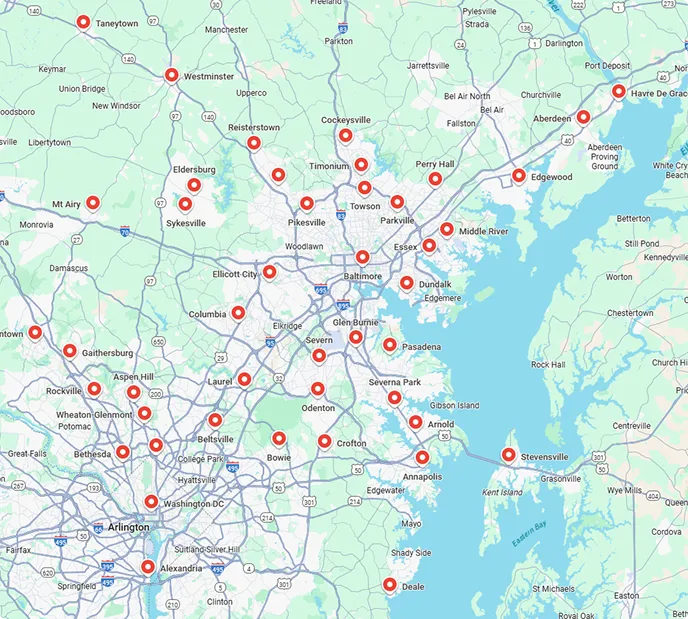
Service areas