

Heat Pump Repair in Pasadena, MD
Pasadena, MD homeowners through diagnosing heat pump symptoms, scheduling on-site diagnostics, and understanding common repairs and parts replacements. It outlines step-by-step diagnostic procedures, typical repair options such as refrigerant work, compressor or valve replacements, and electrical fixes, and explains emergency response, expected timelines, and warranty basics. It also lists brands commonly serviced and provides practical steps to schedule a visit. The goal is a confident decision about repair, maintenance, and protecting comfort and energy efficiency year-round.
.jpeg)
Heat Pump Repair in Pasadena, MD
When a heat pump fails in your Pasadena, MD home it quickly becomes a top priority. Heat pumps handle both heating and cooling, so poor performance affects comfort and energy bills year round.
Common Heat Pump Symptoms in Pasadena, MD
Recognizing symptoms early can prevent bigger failures. Common signs homeowners report in Pasadena include:
- No heat or no cooling: Unit runs but fails to change indoor temperature. Often caused by refrigerant leaks, compressor failure, or control issues.
- Short-cycling or frequent on/off cycling: System turns on and off too frequently, increasing wear and reducing comfort. Could be refrigerant charge, thermostat placement, or electrical faults.
- Weak airflow from registers: Reduced airflow points to clogged filters, failing blower motors, or blocked ductwork. Humid summers in the region can worsen filter loading.
- Strange noises: Rattling, banging, grinding, or hissing from indoor or outdoor units signal loose components, motor bearings, refrigerant leaks, or failing compressors.
- Ice on outdoor unit coils: Excessive frosting in winter (or during cool, humid conditions) indicates defrost control issues, low refrigerant, or airflow restrictions.
- High energy bills: A sudden jump in energy use often correlates with failing components or refrigerant undercharge.
- Short heating capacity during cold snaps: Pasadena winters are moderate but occasional cold spells make decreased heat output obvious; reversing valve or compressor problems are common causes.
On-site Diagnostic and Testing Procedures
A proper diagnosis combines visual inspection, measurements, and system-specific testing. Typical on-site steps include:
- Initial interview and history: Confirm symptoms, when they started, and any recent maintenance or outages. Knowing local conditions, like proximity to the Chesapeake Bay, helps identify corrosion or salt exposure.
- Safety checks: Verify breakers, disconnects, and safety switches before working on the unit.
- Airflow inspection: Check filters, return grills, supply registers, and blower operation. Measure static pressure if needed.
- Electrical testing: Use a multimeter and amp clamp to test capacitors, contactors, motors, and control voltage. Look for loose connections and burned contacts.
- Refrigerant diagnostics: Attach gauges to measure pressures, evaluate subcooling and superheat, and check for leaks with electronic detectors or dye when appropriate.
- Control and thermostat evaluation: Verify thermostat settings, communication with the heat pump, and sensor operation.
- Component inspection: Examine fan motors, compressors, reversing valves, and defrost controls for wear or failure.
- Report and options: Provide a clear explanation of findings, repair options, and expected outcomes so you can decide.
Typical Repairs and Parts Replacements
Common repairs for Pasadena heat pumps include:
- Refrigerant leak repair and recharge (leaks located and sealed, followed by proper charge and performance testing)
- Compressor replacement or hard-start kit installation for aging compressors
- Reversing valve repair or replacement for heating/cooling changeover problems
- Capacitor or contactor replacement for starting and electrical issues
- Fan motor or blower motor repair/replacement to restore airflow
- Defrost control board or sensor replacement when ice-up occurs
- Thermostat replacement or control board repairs for communication faults
- Coil cleaning, fin straightening, or outdoor unit corrosion repair due to salt exposure
Many fixes can be completed on the first visit when parts are in stock. If a specialized or large component is required, parts may need to be ordered.
Emergency Repair Response
Heat pump failures during extreme weather require quick triage. Emergency response typically includes:
- Prioritizing heating calls during cold snaps to prevent comfort loss and potential freeze-related damage
- Temporary fixes when possible, such as bypassing failed components for safe short-term operation or installing temporary heaters while awaiting parts
- Immediate safety measures like disabling unsafe equipment and securing the unit until proper repairs are possible
Technicians will communicate urgency and expected timelines so you understand next steps during an emergency.
Estimated Repair Timelines
Typical timeframes to expect for common scenarios:
- Diagnostic visit: 30 to 90 minutes depending on accessibility and complexity.
- Minor repairs (capacitor, contactor, thermostat, belts): Often completed in 1 to 3 hours on-site.
- Moderate repairs (refrigerant leak repair and recharge, motor replacements): Usually a half to a full day, depending on leak location and parts availability.
- Major repairs or compressor replacement: Can take one to several days if parts must be ordered or additional permits are required.
- System replacement or major retrofit: Typically scheduled as a multi-day project with planning, permitting, and installation logistics.
These timelines reflect typical residential jobs in the Pasadena area but can vary with part availability and site conditions.
Warranty and Service Guarantees
Professional repairs should include clear warranty coverage:
- Workmanship warranty: Covers the labor on repairs for a defined period after service.
- Parts warranty: Manufacturer-backed warranty on replaced components; duration varies by brand and part type.
- Maintenance records: Keeping service documentation helps with warranty claims and improves eligibility for parts coverage.
Maintaining regular tune-ups helps protect warranties and extends system life, especially given coastal corrosion risks in the region.
Brands Serviced
Most residential heat pump brands and models are serviceable, including:
- Trane, Carrier, Lennox, Rheem, Ruud
- Daikin, Mitsubishi Electric, Fujitsu
- Goodman, Amana, York, Bryant
- Ductless mini-split manufacturers and hybrid systems
Technicians trained on specific manufacturers can diagnose proprietary controls and have access to recommended replacement parts.
How to Schedule Service in Pasadena, MD
To schedule a heat pump repair in Pasadena you will typically choose between contacting a local HVAC provider by phone, using an online service request form, or submitting details through a service portal. When preparing for a visit, have the following ready to speed diagnostics:
- Unit model and serial number (usually on the outdoor unit or inside the air handler)
- Clear description of symptoms and when they began
- Any recent maintenance history or error codes shown on the thermostat
- Availability windows and whether the home has pets or access restrictions
Providing this information in advance helps the technician come prepared and often shortens the time to repair.
Why Timely Heat Pump Repair Matters in Pasadena
Prompt attention to heat pump problems restores comfort, reduces energy waste, and prevents minor faults from becoming costly failures. In Pasadena homes, humidity and proximity to the Chesapeake Bay increase the importance of routine inspection for corrosion and airflow issues. Regular maintenance and fast repair response keep systems efficient and reliable through humid summers and chilly winters.
Regular checkups, filter replacements, and prompt repairs are the most effective ways to protect your investment and maintain consistent comfort in your Pasadena, MD home.

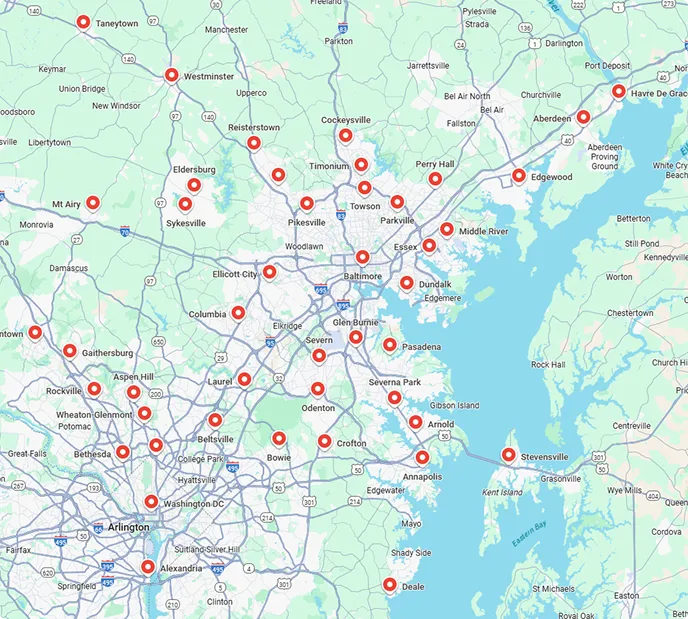
Service areas