

Heat Pump Maintenance in Pasadena, MD
Heat pump maintenance in Pasadena, MD, from Tario HVAC, covers routine inspections for both indoor and outdoor units. This includes everything from meticulous coil cleaning and filter checks to precise refrigerant and electrical safety testing. We outline common issues you might encounter, explain what a typical Tario HVAC maintenance visit includes, and show you how our preventative care reduces energy use, extends equipment life, and significantly improves your comfort. We also describe our flexible maintenance plans, offer helpful scheduling tips, and discuss seasonal timing, always emphasizing the unique coastal conditions, salt-air corrosion, and the immense value of proactive care for reliable year-round performance.
Heat Pump Maintenance in Pasadena, MD
Keeping your heat pump well maintained is one of the most effective ways to protect comfort, lower energy bills, and avoid emergency repairs in Pasadena, MD. Routine and seasonal maintenance ensures your system handles hot, humid summers and the cool, damp winters common to the Chesapeake Bay region. Regular service reduces wear from heavy cooling loads, combats salt air corrosion on outdoor equipment, and preserves airflow and efficiency so your home stays comfortable year round.
Common heat pump issues in Pasadena, MD
Homeowners in Pasadena frequently see a predictable set of problems caused or worsened by local climate and site conditions:
- Reduced cooling or heating capacity - often from dirty coils, clogged filters, or low refrigerant.
- Short cycling or uneven temperatures - usually caused by airflow restrictions, failing capacitors, or thermostat calibration issues.
- Increased energy use and higher bills - common when coils are dirty, fan motors are underperforming, or refrigerant charge is incorrect.
- Outdoor unit corrosion - salt air and coastal humidity accelerate rust on fins, fasteners, and electrical enclosures.
- Frost buildup or frequent defrost cycles in winter - may indicate refrigerant issues or faulty defrost controls.
- Clogged condensate drain lines - can cause indoor humidity issues and water damage.
- Electrical component failures - worn capacitors, contactors, and relays can lead to no-start or intermittent operation.
What a routine heat pump maintenance visit includes
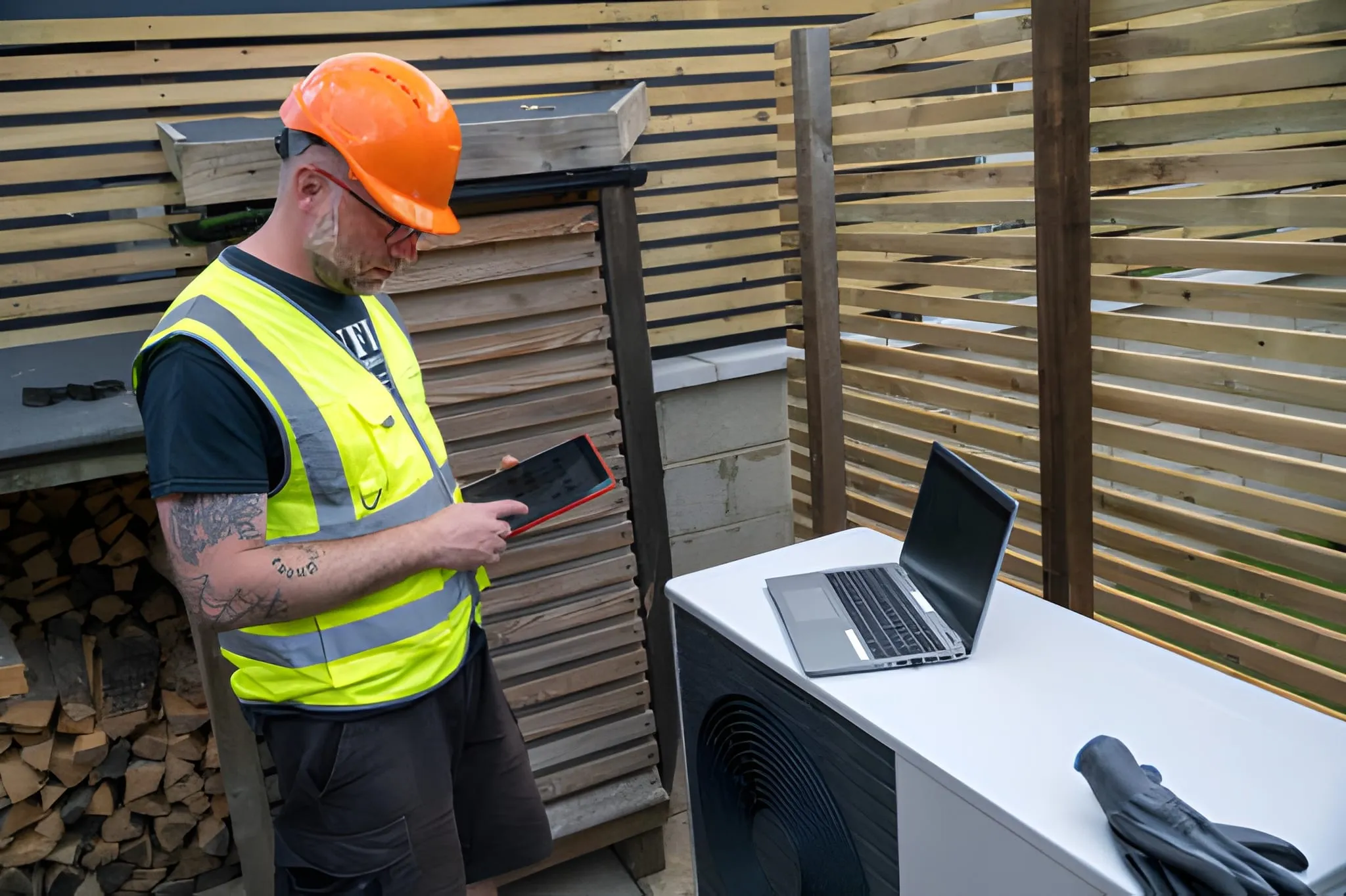
A comprehensive maintenance inspection for a heat pump should cover both indoor and outdoor components. Typical tasks performed during seasonal tune ups include:
- Visual system inspection - check indoor air handler and outdoor condensing unit for obvious damage, debris, or nesting.
- Filter check and replacement recommendations - verify filter type and condition; replace or advise on change frequency.
- Coil cleaning - remove dirt and buildup from evaporator and condenser coils to restore heat transfer.
- Refrigerant level check - measure operating pressures and inspect for signs of leaks; verify proper charge.
- Electrical and safety inspection - test capacitors, contactors, wiring, and safety controls for secure connections and proper operation.
- Performance testing - measure temperature split, airflow, and compressor amp draw to confirm efficient operation.
- Defrost and reversing valve check - confirm defrost cycle functions correctly and reversing valve shifts between modes.
- Blower and motor service - clean blower wheel, check belt (if present), and lubricate motors where applicable.
- Condensate drain cleaning - clear drain lines and pans to prevent backups and reduce mold risk.
- Thermostat calibration - ensure accurate sensing and proper control logic.
- Corrosion and mounting inspection - treat or note accelerated rust, loose panels, or unsecured hardware on outdoor units.
Most providers recommend scheduling maintenance at least twice a year - once in spring before cooling season and once in fall before heating season - to catch seasonal wear and optimize performance.
Diagnostic and performance testing explained simply
Maintenance visits include measurements technicians use to assess how well the system is working. Here is what those checks mean in plain terms:
- Temperature split - the difference between return air and supply air; a healthy heat pump will produce a predictable temperature drop or rise depending on mode.
- Refrigerant pressure checks - confirm the system has the right amount of refrigerant so it can move heat efficiently. Low or high pressures point to leaks or system problems.
- Electrical amp and voltage checks - ensure motors and compressor are not drawing abnormal current, which can indicate failing parts.
- Airflow evaluation - measured visually and with instruments; restricted airflow reduces efficiency and can freeze coils.
- Defrost cycle verification - confirms the unit melts its own frost correctly during cold, damp periods.
These tests help technicians prioritize repairs and show homeowners which issues, if any, are lowering performance or creating risk.
Repairs commonly uncovered during maintenance and typical fixes
Preventative maintenance often uncovers repair needs that are quicker and less expensive to address than emergency failures. Common fixes include:
- Refrigerant leak repair and recharge - seal or replace leaking components and restore proper charge.
- Capacitor and contactor replacements - restore reliable starting and operation of motors and compressors.
- Coil cleaning or fin straightening - improve heat transfer and airflow.
- Fan motor repair or replacement - correct reduced airflow or noisy operation.
- Condensate drain repair and trap clearing - prevent water damage and reduce humidity problems indoors.
- Corrosion mitigation - replace or repair corroded panels, apply protective coatings, and tighten electrical enclosures to prevent failures.
Addressing these items during routine visits lowers the chance of mid-summer or mid-winter breakdowns.
Benefits of preventative heat pump maintenance
Routine maintenance delivers measurable value for Pasadena homeowners:
- Improved energy efficiency and lower utility bills - a clean, properly charged heat pump uses less electricity to achieve the same comfort.
- Longer equipment life - proactive care reduces stress on compressor and motors and delays major replacements.
- Fewer breakdowns and more reliable comfort - preventive repairs catch worn parts before they fail.
- Better indoor air quality and humidity control - clean coils and clear drains reduce mold and airborne particulates.
- Maintained warranty coverage - many manufacturers require regular maintenance to keep warranties valid.
- Safer operation - electrical and safety checks reduce fire and system-failure risks.
Industry experience shows well maintained systems can reduce energy use and repair costs over time, often paying for themselves through improved efficiency and avoided emergencies.
Heat pump maintenance plans in Pasadena - what to expect and how enrollment works
Maintenance plans are structured to provide scheduled care and predictable service. Typical plan features include:
- Scheduled seasonal tune ups (usually biannual) timed for spring and fall.
- Priority scheduling for plan members when repairs are needed.
- Record keeping of past service visits and components replaced.
- Discounted rates on repairs or replacement parts in some plans.
- Reminder notifications and account management for upcoming visits.
Enrollment is straightforward. You choose a plan level that matches your needs, provide basic property and system information, and schedule your first maintenance visit. During the initial service the technician documents equipment condition, sets a recurring maintenance interval, and explains what ongoing reminders and benefits the plan provides. Plans are especially valuable for Pasadena homes near the coast where outdoor-unit exposure requires closer attention.
Seasonal timing and local considerations
- Spring visit: remove winter debris, clean coils, verify refrigerant and cooling readiness for hot, humid months.
- Fall visit: check heating performance, defrost controls, and inspect for corrosion after summer storms.
- After coastal storms: inspect outdoor unit for saltwater intrusion, debris, or structural damage.
- If landscaping changes: ensure at least 2 feet of clearance around the outdoor unit to maintain airflow.
Preparing for a maintenance visit
Make the most of a service appointment by clearing access to the outdoor unit and the indoor air handler area. Note any irregular noises, uneven temperatures, or recent changes to utility bills to share with the technician. Keep filter type information handy if you manage filter replacement yourself.
Routine heat pump maintenance tailored to Pasadena, MD conditions protects comfort, reduces operating costs, and extends the life of your system. Regular inspections and seasonal tune ups keep systems running efficiently in the area’s humid summers and cool, damp winters while addressing coastal challenges like salt-related corrosion.

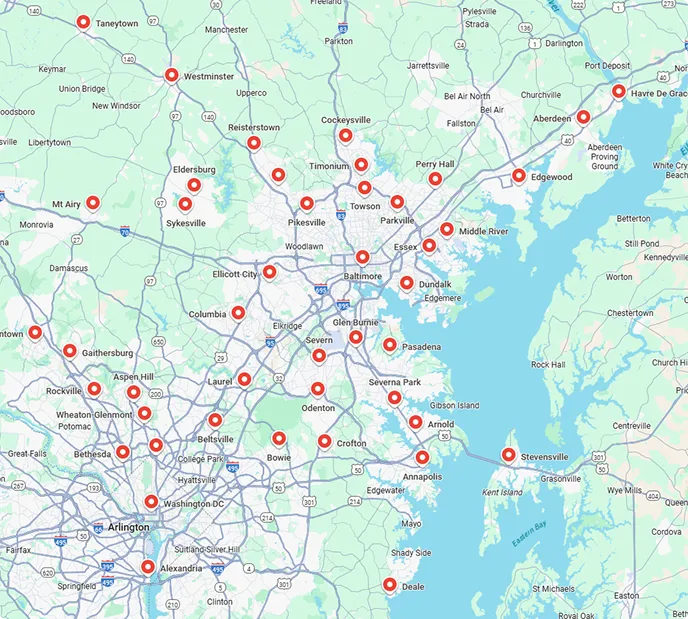
Service areas