

Heat Pump Repair in Glen Burnie, MD
Heat pump repair guidance for Glen Burnie homeowners addresses common failures, diagnostic approaches, and practical repair options. The page explains why heat pumps struggle in humid summers and chilly snaps, outlines typical issues such as compressor faults, reversing valve problems, and refrigerant leaks, and describes step-by-step diagnosis from safety checks to performance testing. It also covers when replacement is more cost-effective, what to expect from OEM parts, and how professional service improves efficiency, reliability, and long-term comfort.
.jpeg)
Professional heat pump repair when your system struggles in Glen Burnie homes
Heat pumps are the primary climate control for many Glen Burnie homes because they deliver efficient cooling in humid summers and steady heating during moderate winters. When a heat pump fails, you face uncomfortable indoor temperatures, higher energy bills, and potential damage to ductwork or compressors.
Common heat pump issues in Glen Burnie
Homes near the Chesapeake Bay and the Baltimore metro area experience humid summers and occasional cold snaps. Those local factors contribute to several frequent faults:
- Compressor faults: Tripped breakers, short cycling, or complete compressor failure often caused by refrigerant issues, electrical problems, or age.
- Reversing valve problems: Heat pumps that won’t switch between heating and cooling or that short-cycle can have a stuck or leaking reversing valve.
- Defrost cycle issues: In colder, damp conditions a unit may ice over. A malfunctioning defrost control, sensor, or heater causes prolonged icing and reduced heating performance.
- Refrigerant leaks or low charge: Reduced efficiency, frost on coils, and higher run times.
- Electrical and control failures: Faulty capacitors, relays, contactors, and control boards lead to intermittent operation or no operation.
- Airflow problems: Dirty filters, blocked ducts, or failing blowers reduce performance and strain components.
- Corrosion and outdoor coil damage: Salt-laden air and humidity in the region accelerate coil corrosion and fan motor wear.
Step-by-step diagnostic process
A methodical diagnosis identifies the root cause quickly and avoids unnecessary repairs. Typical steps a technician follows:
Visual and safety check
- Inspect the outdoor unit and indoor cabinet for obvious damage, debris, or water accumulation.
- Verify safety: power off, check for burnt wiring or tripped breakers, and ensure safe working conditions.
Electrical testing
- Measure voltage and amperage to capacitors, compressor, and motors.
- Test contactors, relays, fuses, and control board signals.
Refrigerant and pressure checks
- Connect gauges to check system pressures and compare to manufacturer specifications.
- Look for signs of leaks (oil traces, dye, or pressure drop).
Component and functionality tests
- Manually initiate defrost cycle and reversing valve operation.
- Test thermostat communication and control logic.
- Run blower and outdoor fan to evaluate airflow and motor condition.
Performance evaluation
- Measure temperature split across the evaporator coil and verify heating/cooling output.
- Monitor run times and cycling patterns.
Report and recommendation
- Provide clear findings: defective component, repair options, expected lifespan after repair, and when replacement is recommended.
Typical repair procedures and materials
Repairs focus on restoring safe, reliable operation while protecting the system’s long-term life.
- Compressor and motor work: Replace failed compressors or motors only after confirming electrical and refrigerant systems are sound. Use manufacturer-recommended mounts and wiring practices.
- Reversing valve and control repairs: Replace leaking or stuck reversing valves with OEM or equivalent parts, and recalibrate control boards.
- Defrost controls and sensors: Replace failed defrost timers, sensors, or heaters to restore proper defrost cycles in Glen Burnie’s damp, cold conditions.
- Refrigerant service: Repair detected leaks, evacuate, vacuum, and recharge to manufacturer charge using approved refrigerants. Pressure and leak testing performed after repair.
- Airflow and duct corrections: Clean or replace filters, inspect ducts for obstructions, and repair blower assemblies as needed.
- Corrosion control: Clean and treat coils, replace heavily corroded components, and recommend protective measures for outdoor units.
Technicians use OEM parts when available to ensure compatibility and durability. All repairs include safety checks such as pressure relief verification, proper electrical grounding, and secure refrigerant connections.
Emergency response and priority scheduling
Heat pump failures during heat waves or cold snaps require fast action. Priority scheduling typically means dispatched diagnostics within hours for urgent conditions, triage of safety risks (no heat in cold weather or no cooling in extreme heat), and expedited parts ordering if a critical component is required. Emergency protocols include securing the site, applying temporary fixes when safe, and documenting immediate vs long-term repair needs.
Warranty, post-repair testing, and quality assurance
After repair, expect a structured testing regimen:
- Run the system through heating and cooling cycles to confirm operation.
- Recheck pressures, electrical loads, and thermostat communication.
- Inspect for any remaining leaks or unusual noises.
- Provide documentation of replaced parts and the work completed.
Repairs performed with OEM parts often retain or qualify for parts warranties. Technicians usually explain warranty terms for labor and parts and note any maintenance steps needed to keep the warranty valid.
When replacement is recommended
Repair is not always the best choice. Consider replacement in these scenarios:
- Repeated compressor or major component failures within a few years.
- System age beyond typical life expectancy and declining efficiency.
- Refrigerant conversions required for older systems that use phased-out refrigerants.
- Significant coil corrosion, rusted cabinets, or structural damage to the outdoor unit.
- Repair costs approach or exceed the value of a reliable new heat pump.
A technician can provide a condition-based recommendation that weighs remaining life expectancy, efficiency improvements, and long-term energy savings for Glen Burnie households.
Maintenance advice and long-term benefits
Regular maintenance prevents many common issues and extends system life:
- Seasonal tune-ups to test defrost cycles, refrigerant charge, and electrical components.
- Replace or clean filters every 1–3 months during heavy use.
- Keep outdoor units clear of vegetation, debris, and salt spray when possible.
- Maintain consistent thermostat settings to reduce short cycling.
- Schedule annual professional inspections before heating and cooling seasons.
Well-maintained heat pumps deliver better indoor comfort, lower energy use, and fewer emergency repairs—important in Glen Burnie where humidity and coastal conditions can accelerate wear.
A thorough, safety-focused repair process restores comfort and protects your home systems. Accurate diagnostics, use of OEM parts, careful testing, and honest guidance on replacement versus repair help Glen Burnie homeowners make durable, cost-effective decisions about their heat pump systems. Regular maintenance tailored to local climate challenges is the best defense against most common failures.

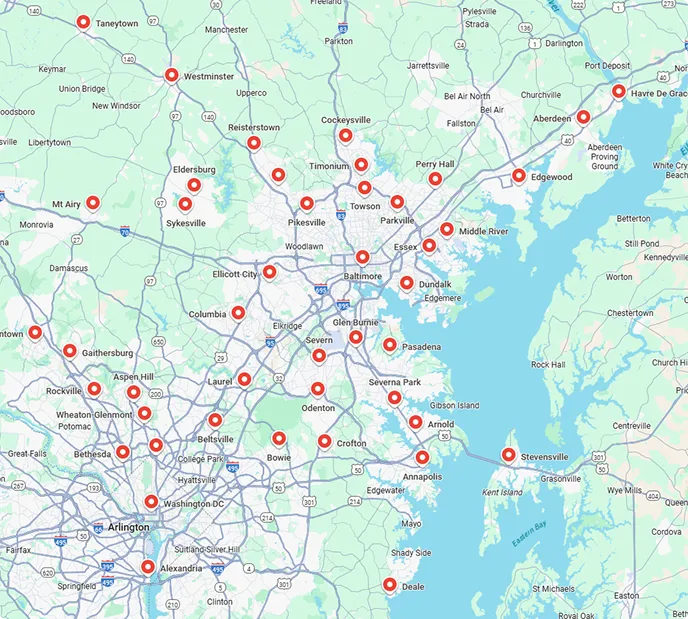
Service areas