

Heat Pump Installation in Glen Burnie, MD
Tario HVAC provides professional heat pump installation in Glen Burnie, MD, guiding homeowners from the initial consultation and precise load calculations through system selection, site preparation, and permitting. We cover ducted and ductless options, corrosion considerations near the Chesapeake Bay, and emphasize accurate load calculations to prevent oversizing or undersizing. Our workflow includes outdoor and indoor unit placement, refrigerant charging, commissioning, testing, and comprehensive homeowner orientation, with clearly defined timelines and warranty considerations to ensure reliable, energy-efficient comfort.
.webp)
Heat Pump Installation in Glen Burnie, MD
Upgrading to a modern heat pump is one of the most effective ways to lower energy bills, improve year‑round comfort, and reduce reliance on fossil fuels in Glen Burnie, MD homes. With hot, humid summers and cool winters, properly sized and installed heat pumps deliver efficient cooling, reliable heating, and improved humidity control.
Why choose a heat pump for Glen Burnie homes
- Efficient year‑round performance: Modern inverter-driven heat pumps deliver high efficiency for cooling in summer and heating in mild to moderate winter conditions typical of Anne Arundel County.
- Improved humidity control: Heat pumps reduce indoor humidity during Maryland summers, making homes feel cooler at higher thermostat settings.
- Versatility for older & newer homes: Options include ducted air‑source systems that tie into existing ductwork and ductless mini‑split systems for room-by-room control where ducts are impractical.
- Local climate considerations: Salt‑laden air from the nearby Chesapeake Bay can increase outdoor unit corrosion risk, so proper placement and protective coatings matter for longevity.
Common heat pump types and service options in Glen Burnie, MD
- Air‑source heat pumps (ducted): Best when existing ductwork is in good condition; provides whole‑home heating and cooling.
- Ductless mini‑split systems: Ideal for additions, finished basements, older houses without ducts, or zoned comfort control.
- Cold‑climate heat pumps: Designed to maintain efficiency during colder snaps that occasionally occur in Maryland winters.
- Hybrid systems: Combine a heat pump with a gas furnace for backup heat on the coldest days.
Initial consultation and precise load calculations
A thorough installation starts with an on‑site consultation:
- Walkthrough of your home to evaluate insulation, windows, existing ductwork, and site conditions.
- Detailed Manual J load calculation to determine accurate heating and cooling capacity for each zone or the whole house.
- Assessment of electrical service and panel capacity to ensure safe power supply for the new system.
- Discussion of comfort goals, budget considerations, and preferred system type (ducted vs ductless).
Accurate load calculations prevent oversizing (short cycling, higher bills) and undersizing (insufficient comfort), which is especially important in Glen Burnie where humidity control is a priority.
System selection: features to prioritize
When choosing equipment, consider:
- Variable‑speed inverter compressors for quieter operation and better part‑load efficiency.
- High SEER/HSPF ratings for lower operating costs in Maryland’s climate.
- Corrosion‑resistant outdoor components or protective coatings for homes near the Chesapeake Bay.
- Multi‑zone capability for ductless systems to balance comfort across rooms.
- Manufacturer warranty terms and availability of replacement parts locally.
Site preparation and permitting
Proper site prep keeps the installation smooth and code‑compliant:
- Selecting a level, well‑drained outdoor pad away from heavy salt spray and with adequate airflow.
- Verifying refrigerant routing and minimizing line‑set length for efficiency.
- Checking for required building permits and local code compliance specific to Anne Arundel County and Glen Burnie.
- Coordinating any necessary electrical upgrades, disconnects, or structural work for indoor units.
Step‑by‑step professional installation and commissioning
A typical installation workflow:
- Pre‑installation planning and materials staging based on the load calculation and selected equipment.
- Ductwork evaluation and necessary repairs or modifications (sealing, insulating, balancing).
- Outdoor unit placement and secure mounting on pad or brackets; installing protective measures if coastal exposure is a concern.
- Running refrigerant line sets, condensate drains, and low‑voltage controls; electrical hookup per code.
- Indoor unit mounting (air handler or wall‑mounted mini‑split heads) and connection to ductwork or zones.
- System evacuation, refrigerant charge, and leak testing to ensure integrity.
- Commissioning: start‑up, airflow verification, thermostat setup, and control calibration.
- Testing and balancing (TAB) to confirm correct airflow to each room and stable temperature differentials.
Professional commissioning ensures equipment operates at rated performance and avoids common defects like improper refrigerant charge or duct leakage.
Testing, balancing, and efficiency verification
- Airflow testing: Confirms correct CFM to each register or indoor unit.
- Temperature split checks: Verifies adequate cooling and heating delta T across the coil.
- Electrical and safety checks: Verifies proper breaker sizing, grounding, and safe operation.
- System tuning: Adjust fan speeds, control settings, and zone balancing for optimal comfort and efficiency.
These steps prevent issues such as short cycling, inadequate dehumidification, or uneven temperatures — common concerns for Glen Burnie homeowners.
Homeowner orientation and operation tips
After installation you’ll receive a hands‑on orientation covering:
- How the system works and recommended thermostat settings for comfort and efficiency.
- Filter types and replacement schedules, condensate drain maintenance, and outdoor unit care in coastal conditions.
- Smart thermostat integration and zoning strategies to maximize savings.
- Troubleshooting basics (filter checks, resetting breakers) and what signs warrant professional service (strange noises, frost on outdoor coil, persistent temperature swings).
Clear homeowner education reduces system misuse and extends equipment life.
Manufacturers and warranties
Most installations use reputable manufacturers that offer robust warranties:
- Common brands include Daikin, Mitsubishi Electric, Carrier, Trane, Lennox, Rheem, and others.
- Typical warranty structures: compressor warranties that can range from 5 to 10 years, parts warranties, and shorter labor coverage. Factory accessory warranties may vary by brand and product line.
- Ask about extended manufacturer warranties and what is required to maintain warranty validity (registered installation, annual maintenance).
Expected timelines for Heat Pump Installation in Glen Burnie, MD
- Initial consultation and load calculation: 1–2 hours on site, with recommendations provided within a few days.
- Design, equipment selection, and permitting: often 1–3 weeks depending on permit turnaround.
- Installation:
- Ductless mini‑split system: commonly completed in 1 day for a single‑zone, 1–3 days for multi‑zone.
- Ducted air‑source system: typically 1–3 days depending on duct modifications and electrical work.
- Commissioning, testing, and homeowner orientation: usually completed the final day of installation.
Timelines may be affected by permit processing, equipment availability, and required electrical or ductwork upgrades.
Common heat pump issues and how proper installation prevents them
- Noisy operation: often due to loose mounting, incorrect fan speeds, or oversized equipment; avoided by proper selection and mounting.
- Short cycling: caused by oversized units or poor airflow; prevented with accurate load calculations and correct duct sizing.
- Freezing outdoor coil: can indicate refrigerant charge issues or airflow problems; addressed during proper commissioning and refrigerant charging.
- Corrosion of outdoor units near the bay: mitigated by choosing corrosion‑resistant models and strategic placement.
Maintenance and long‑term benefits
Regular maintenance keeps performance high:
- Seasonal tune‑ups and filter changes maintain efficiency and protect warranties.
- Testing and balancing after significant home changes (insulation upgrades, remodels) ensures continued comfort.
- Long‑term benefits include lower operating costs, consistent humidity control, quieter systems, and reduced carbon footprint compared with older fossil‑fuel forced air systems.
Professional, correctly executed heat pump installation in Glen Burnie, MD protects your investment and ensures reliable comfort through Maryland’s seasonal extremes.

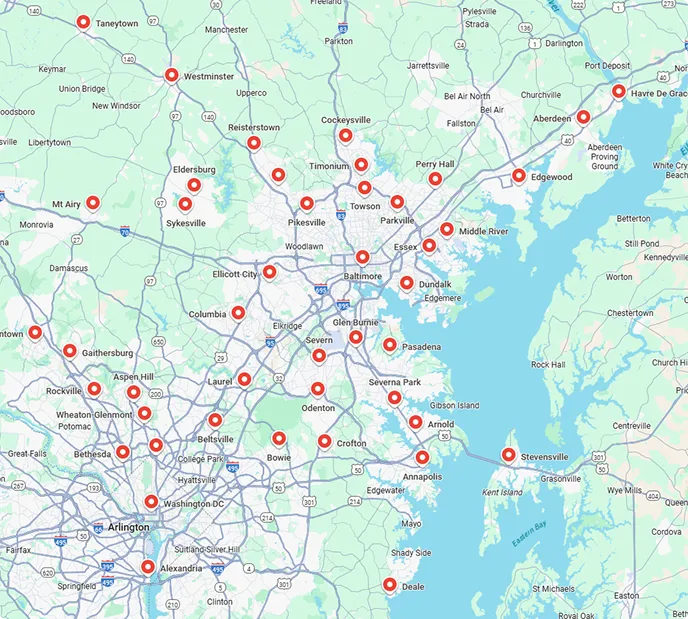
Service areas