

Heat Pump Repair in Bowie, MD
Heat pump repair services in Bowie, MD, covering diagnostic steps, common failure modes, and practical repair strategies. It explains why timely repairs matter in Bowie, MD climate, including humidity, freeze-thaw cycles, and energy efficiency. It details on-site inspection procedures, typical repair timelines, emergency response options, and warranty handling. The guide also offers maintenance tips to prevent future breakdowns and emphasizes selecting proper parts, proper refrigerant handling, and coordinating with manufacturers for warranty coverage.
.webp)
Heat Pump Repair in Bowie, MD
Heat pumps are the year-round workhorse in many Bowie, MD homes, delivering both heating and cooling efficiently. When a heat pump fails, it can quickly become urgent — no heat on a cold night, or no cooling during humid July days.
Why timely heat pump repair matters in Bowie, MD
Bowie experiences humid summers and variable winters that strain heat pump systems. High humidity makes cooling systems work harder and can accelerate coil corrosion, while winter freeze-thaw cycles and extended run times expose components to wear. Prompt, professional repair restores comfort, prevents secondary damage (like frozen coils or compressor burnout), and preserves system efficiency to keep energy bills under control.
Common heat pump repair issues in Bowie, MD
- Loss of heating or cooling - unit runs but does not reach set temperature
- Refrigerant leaks - reduced cooling capacity and higher energy use
- Strange noises - grinding, squealing, gurgling, or hissing from compressor, fan, or reversing valve
- Compressor failures - hard-starting, short cycling, or complete failure
- Outdoor fan motor or indoor blower failures - reduced airflow and uneven temperatures
- Reversing valve or defrost cycle problems - poor heating performance in cold weather
- Electrical faults - tripped breakers, bad capacitors, relays, or contactors
- Thermostat or control board malfunctions - incorrect commands or intermittent operation
- Drainage and frozen coil issues - clogged condensate drains or iced evaporator coils
On-site inspection and troubleshooting process
A thorough, systematic diagnostic process is essential for accurate repairs and long-term reliability:
Initial visual and safety check
- Inspect outdoor unit and indoor air handler for obvious damage, debris, or ice
- Verify thermostat settings and power supply
Electrical and control testing
- Measure voltage, check fuses/breakers, and test capacitors, contactors, and relays
- Review control board error codes and thermostat communication
Airflow and indoor components
- Check filters, ductwork, blower motor performance, and return airflow
- Measure temperature split and airflow CFM where possible
Refrigerant and pressure diagnosis
- Check refrigerant pressures and superheat/subcooling to identify leaks or under/overcharge
- Use electronic leak detectors or UV dye when a leak is suspected
Mechanical component evaluation
- Listen for abnormal noises, test compressor amp draw and start components
- Inspect fan motors, bearings, and reversing valve operation
Defrost and seasonal operation check
- Evaluate defrost cycle timing and heater operation for winter performance
Technicians document findings and recommend the most reliable repair or replacement path, explaining tradeoffs like short-term fixes versus long-term solutions.
Typical repairs and parts replacement timelines
Repair timelines depend on the fault, part availability, and the need for refrigeration certification for refrigerant work. Typical expectations in Bowie:
- Simple electrical fixes, capacitor or contactor replacement: same day
- Fan motor or blower motor replacement: same day to 1-2 days (depending on part stock)
- Refrigerant leak repair and recharge: 1-2 days (leak detection, repair, evacuation, and recharge)
- Compressor replacement or major compressor-related repairs: 1-3 days (compressor lead times may extend repair)
- Control board or reversing valve replacement: 1-2 days
When refrigerant is involved, full evacuation and correct charging procedures are followed to protect system life and comply with environmental regulations.
Emergency response and priority repairs
Loss of heating in winter or complete cooling failure during extreme summer humidity are treated as priority issues. Emergency response options typically include:
- Rapid diagnostics to determine if a temporary remedy can restore operation overnight
- Priority parts sourcing for critical failures like compressor or fan motor
- Temporary heaters or alternative cooling suggestions where applicable until full repair is completed
Emergency readiness in Bowie accounts for weather-related demand spikes; having technicians familiar with local climates helps speed diagnosis and appropriate temporary measures.
Warranty and manufacturer support handling
Proper warranty handling saves homeowners time and money. Key practices include:
- Verifying equipment serial numbers, installation dates, and warranty terms before repair
- Documenting diagnostic findings and recommended repairs in writing to support claims
- Coordinating with manufacturers for covered parts and replacement authorization when applicable
- Advising homeowners on what warranty covers (parts vs labor) and what documentation is needed
- Preserving factory-installed components and using OEM replacement parts when required to maintain warranty validity
If a unit is still under factory warranty, manufacturer approval is pursued first to minimize out-of-pocket expense.
Preventive maintenance tips to avoid future breakdowns
Regular maintenance is the best defense against unexpected heat pump failures, especially in Bowie’s climate:
- Replace or clean air filters every 1-3 months during heavy use
- Schedule professional tune-ups twice a year - once before cooling season and once before heating season
- Keep outdoor unit clear of leaves, grass, mulch, and snow; allow at least 2 feet of clearance for airflow
- Trim vegetation and avoid placing sprinklers on the outdoor unit to reduce corrosion and debris buildup
- Check and clean condensate drains to prevent backups and frozen coils
- Ensure thermostat is calibrated and controls are functioning properly
- Consider a maintenance plan that includes priority service and documented inspections to preserve warranty and resale value
- Monitor for early warning signs: reduced airflow, higher utility bills, unexplained noises, or frequent short cycling
Heat pump repair in Bowie, MD requires a balance of rapid diagnostics, correct part selection, and attention to local climate stresses. Addressing issues quickly prevents more costly failures, preserves comfort year-round, and keeps systems running efficiently. Professional repairs that include proper refrigerant handling, accurate electrical testing, and adherence to manufacturer warranty procedures give the best long-term results for Bowie homeowners. Regular preventive maintenance tailored to local conditions significantly reduces the chance of emergency breakdowns and extends equipment life.

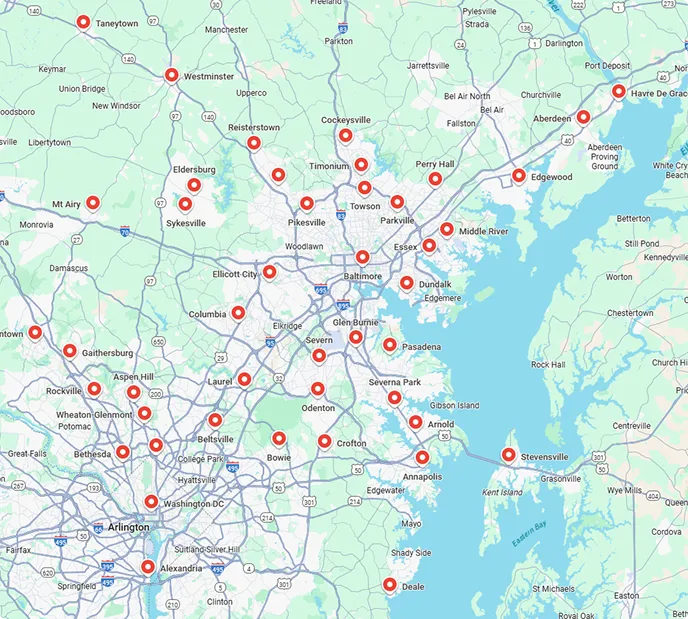
Service areas