



Heat Pump Installation in Bowie, MD
At Tario HVAC, heat pump installation in Bowie, MD is a comprehensive service, guiding you from system selection through to commissioning. We cover proper sizing, detailed ductwork assessment, and various brand options, offering expert guidance on whether a mini-split or central configuration is best for your home. We outline our step-by-step installation and commissioning process, followed by thorough post-install testing, clear warranty information, and tailored maintenance plans designed to preserve long-term performance. Key benefits you'll experience with Tario HVAC include improved comfort, significant energy savings, longer equipment life, and reliable operation, all thanks to professional installation perfectly suited for Maryland climates.
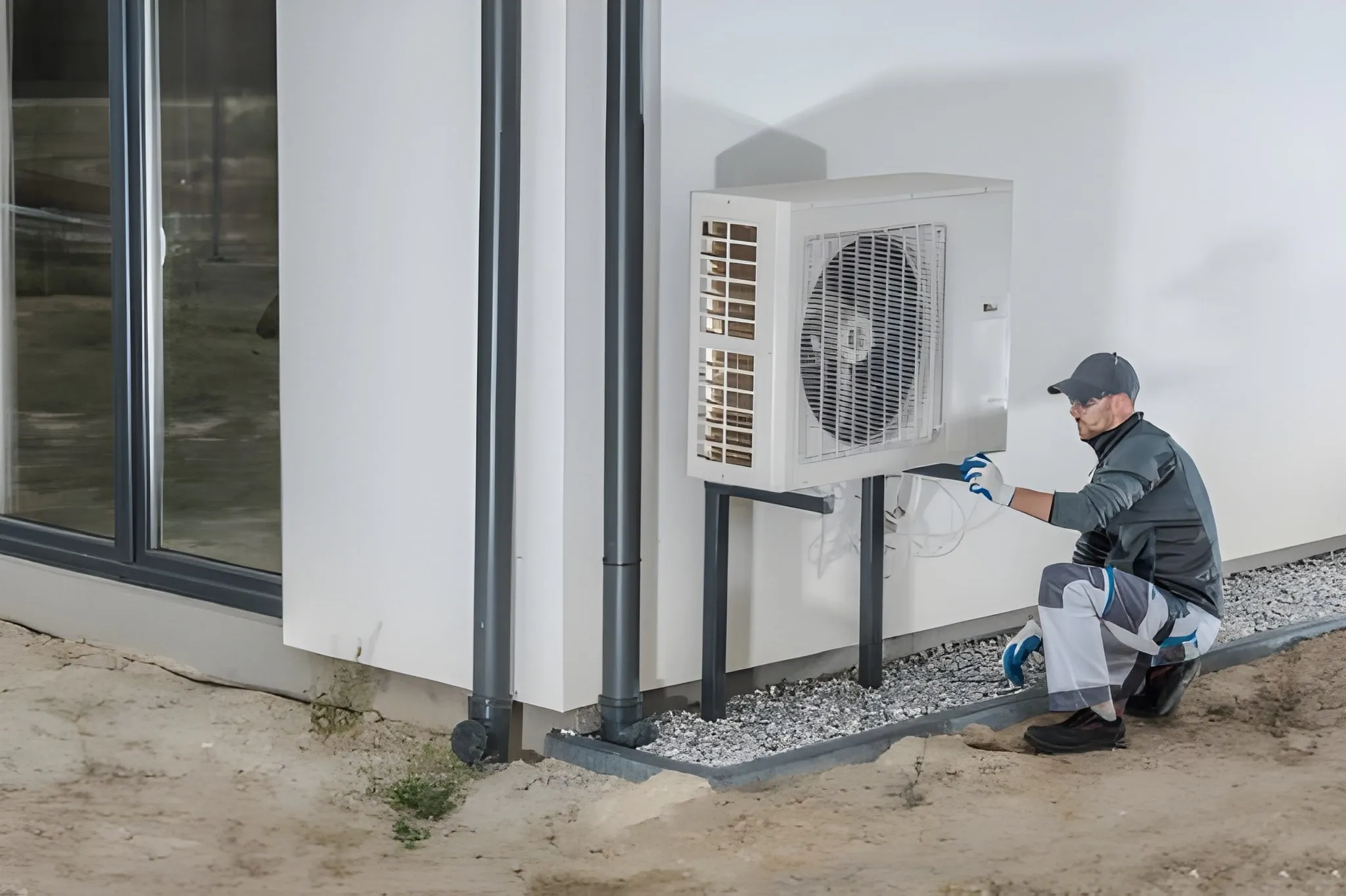
Heat Pump Installation in Bowie, MD
Choosing the right heat pump and having it installed correctly is one of the most important decisions for comfort and efficiency in Bowie homes. With Maryland’s humid summers and chilly winters, a properly sized, expertly installed heat pump delivers year-round comfort, lower utility bills, and reliable heating down to colder temperatures than older systems.
Why professional heat pump installation matters in Bowie, MD
- Bowie’s climate places dual demands on heating and cooling systems: high summer humidity and winter heating needs. A correctly installed heat pump balances dehumidification and efficient heating.
- Incorrect sizing, poor ductwork, or improper refrigerant charge can reduce efficiency, increase noise, and shorten equipment life.
- Professional installation ensures code compliance, proper electrical and refrigerant handling, and correct commissioning for peak performance and warranty protection.
Common heat pump installation scenarios in Bowie
- Replacing an aging gas furnace or central A/C with a modern air-source heat pump to move to all-electric heating and cooling.
- Installing a ductless mini-split system for additions, converted basements, or rooms without existing ductwork.
- Upgrading an undersized or inefficient system in older Bowie homes with leaky ductwork.
- Adding a dual-fuel setup where a heat pump handles mild-weather heating and a furnace supplements on very cold days.
Site and ductwork assessment (what to expect)
Before any installation, a thorough on-site evaluation is essential:
- Home walkthrough to assess living patterns, thermostat locations, and problem rooms.
- Ductwork inspection for size, leakage, insulation, and airflow; many Bowie homes benefit from duct sealing or targeted repairs before heat pump installation.
- Electrical capacity check to verify the panel can safely support the new outdoor unit and any required disconnects.
- Exterior evaluation for outdoor unit placement — level pad location, clearance, noise considerations, and line-of-sight restrictions.
- If installing a mini-split, technicians evaluate wall or ceiling locations for indoor heads and refrigerant line routing.
Equipment sizing and brand recommendations
Correct sizing (measured in tons or BTU capacity) is critical:
- Load calculation: A qualified installer performs a Manual J-style load calculation that accounts for insulation, window area, orientation, and occupancy to determine the precise capacity needed for your Bowie home.
- Oversizing leads to short-cycling and poor dehumidification; undersizing leaves the home uncomfortable in extreme temperatures.
- Brand selection: Look for proven manufacturers with strong cold-climate performance and accessible local parts support. Components to consider include inverter-driven compressors for variable-speed operation, high SEER/HSPF ratings for efficiency, and low ambient heating performance for Maryland winters.
- Warranty considerations: Compare manufacturer warranties and local installer labor coverage to ensure long-term protection.
Mini-split versus central heat pump: which is right for your Bowie home?
- Central heat pump (ducted)
- Best for homes with existing, well-maintained ductwork.
- Provides whole-home comfort and works with standard thermostats.
- Often more cost-effective for full-house replacement.
- Ductless mini-split
- Ideal for homes without ductwork, room additions, or targeted comfort zones.
- Offers zoning, high efficiency, and minimal disruption during installation.
- Slightly higher per-zone cost but excellent for retrofit situations or where duct upgrades would be costly.
- Hybrid approaches are common: a central heat pump combined with one or more mini-split heads for difficult rooms or additions.
Step-by-step installation and commissioning process
- Final site prep and permit acquisition: Installers ensure required local permits and code requirements are met.
- Outdoor unit placement: Install level pad, secure outdoor unit, and position for service access and airflow.
- Indoor component installation:
- For ducted systems: connect to existing ductwork, install zone dampers if applicable, and mount the air handler.
- For mini-splits: mount indoor heads, run refrigerant lines, condensate drain, and low-voltage wiring through concealed channels or small wall penetrations.
- Electrical and controls: Install dedicated circuit, disconnect, and integrate controls or smart thermostats compatible with heat pump operation.
- Refrigerant charging and leak testing: Evacuate lines, charge to manufacturer specifications, and confirm there are no leaks.
- Startup and commissioning: Configure system controls, verify airflow, set thermostats, and run both heating and cooling cycles to validate performance.
Post-install testing and performance verification
After installation, thorough testing ensures the system performs to spec:
- Verify correct refrigerant charge and superheat/subcooling values.
- Measure airflow and static pressure across filters and coils.
- Confirm electrical loads and amperage are within safe ranges.
- Check temperature split, humidity control, and noise levels.
- Walk-through with the homeowner to explain operation, filter locations, and seasonal modes.
Warranty coverage and documentation
- Manufacturer warranty: Typically covers major components like compressors and coils; length varies by brand and model.
- Installer labor warranty: Professional installation often includes a separate labor warranty that covers workmanship for a defined period.
- Documentation: Homeowners should receive equipment manuals, warranty registration instructions, and the installation report noting serial numbers and performance test results. Proper registration preserves manufacturer warranty rights.
Maintenance plans to preserve performance
Regular maintenance extends life and keeps efficiency high:
- Seasonal tune-ups: At minimum, annual heating-season and cooling-season checks ensure the system is clean, charged correctly, and operating efficiently.
- Filter changes: Replace or clean filters every 1-3 months depending on occupancy and indoor air quality needs.
- Duct care: Periodic duct inspection and sealing improves comfort and efficiency in Bowie homes that experience high humidity or older duct systems.
- Smart monitoring: Consider thermostats or monitoring systems that track run times and alert to irregularities before failures occur.
Benefits of professional heat pump installation in Bowie
- Improved year-round comfort with efficient heating and cooling tuned to Maryland weather.
- Reduced energy costs through right-sized equipment and proper commissioning.
- Longer equipment life and preserved warranties when installation follows manufacturer specifications.
- Better indoor air quality and humidity control with sealed ducts and correctly matched systems.
A properly selected and professionally installed heat pump can transform comfort in Bowie homes while delivering energy savings and reliability. The investment in a thorough assessment, precise sizing, and meticulous commissioning pays off through consistent performance, extended equipment life, and predictable maintenance needs.

Service areas
