



Heat Pump Maintenance in Stevensville, MD
At Tario HVAC, we know that heat pump maintenance in Stevensville, MD is crucial for keeping your coastal systems efficient, reliable, and truly long-lasting. Our regular professional tune-ups are designed to tackle specific issues like salt-air corrosion, dirty filters, potential refrigerant leaks, loose electrical connections, and out-of-sync thermostat calibration, with seasonal plans perfectly customized for both spring and fall. During a typical visit, we'll perform thorough filter checks, expert coil cleaning, detailed refrigerant inspections, electrical tightening, airflow assessments, and provide you with a comprehensive performance report. This consistent maintenance not only significantly reduces emergency repairs but also preserves efficiency, protects your warranty requirements, and helps all Stevensville homes stay wonderfully comfortable year-round. Remember, routine service with Tario HVAC is genuinely affordable, especially when compared to the stress and expense of costly breakdowns.
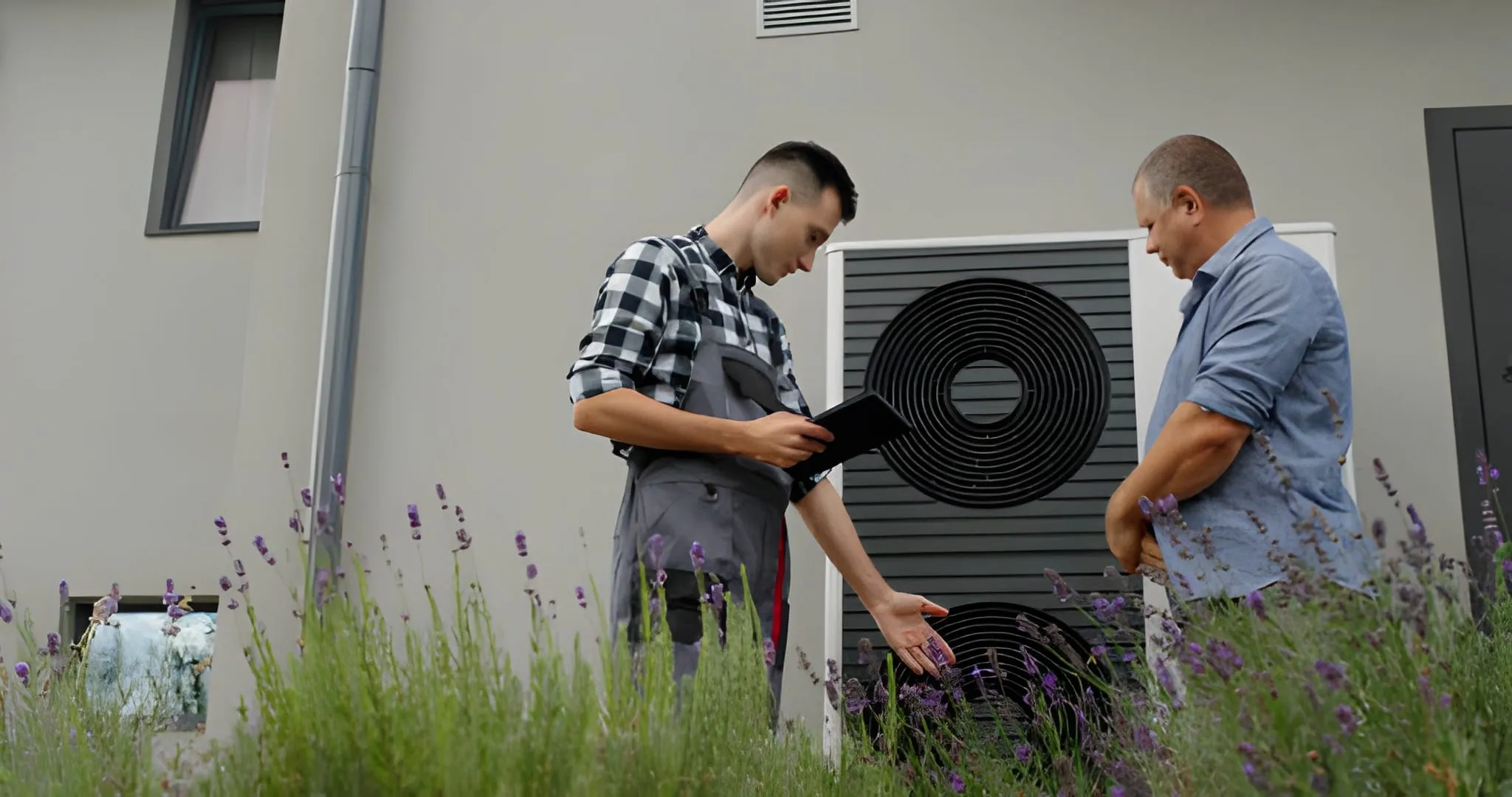
Heat Pump Maintenance in Stevensville, MD
Proper heat pump maintenance in Stevensville, MD keeps your system efficient, extends equipment life, and prevents mid-season breakdowns. Homes on Kent Island face humid summers, mild winters, coastal salt exposure, and seasonal pollen — all factors that influence heat pump performance. Regular, professional maintenance targets those local stressors so your heat pump delivers reliable heating and cooling year-round.
Common heat pump maintenance issues in Stevensville, MD
- Corrosion and salt buildup on outdoor components — Salt air from the Chesapeake Bay speeds corrosion of coils, fins, and electrical connections, reducing heat transfer and increasing failure risk.
- Clogged or dirty filters and coils — High humidity and spring pollen loads cause filters and coils to foul quicker, restricting airflow and lowering efficiency.
- Refrigerant loss or leaks — Aging lines and vibration can lead to leaks that reduce capacity and force compressors to work harder.
- Short cycling and thermostat drift — Humidity spikes and improper control settings cause frequent on/off cycles that wear components.
- Frozen or iced coils in shoulder seasons — Mild winter temperatures combined with moisture can create defrost or balance issues that are best caught early.
- Electrical connection wear from storms — Coastal storms and lightning activity can loosen or stress electrical components, creating safety and reliability concerns.
What a routine heat pump maintenance visit covers
A comprehensive tune-up focuses on performance, safety, and longevity. Typical seasonal inspection and tune-up tasks performed by certified technicians include:
- Filter check and replacement (or guidance on frequency) — Ensures proper airflow; technicians advise on MERV ratings suitable for your home.
- Outdoor coil cleaning and fin straightening — Removes salt, pollen, and debris so the unit can reject heat efficiently.
- Indoor coil cleaning and condensate drain service — Prevents water backup, mold growth, and drain clogs that raise indoor humidity.
- Refrigerant level inspection and leak check — Confirms system balance and identifies refrigerant leaks before they damage the compressor.
- Electrical inspection and tightening — Tests capacitors, contactors, fuses, and wiring to prevent failures and fire risk.
- Compressor and reversing valve performance test — Evaluates heating and cooling cycles and identifies abnormal pressures or noises.
- Airflow and duct system assessment — Measures airflow and inspects for blockages, leaks, or poor insulation that reduce comfort and efficiency.
- Thermostat calibration and controls check — Verifies accurate temperature control and optimal staging for heat pumps.
- Defrost cycle and reversing operation check — Ensures reliable winter performance without excessive icing.
- Operational safety checks and performance report — A full systems check with documented findings, recommended actions, and notes on warranty compliance.
Heat pump maintenance plans and recommended schedule
For Stevensville homeowners, a tailored maintenance plan keeps systems optimized through the year. Recommended cadence is at least twice per year — a spring cooling tune-up and a fall heating tune-up — plus monthly homeowner filter checks. Plan examples:
- Basic Plan: One annual comprehensive inspection, filter reminders, and a printed maintenance checklist. Good for newer systems in low-exposure settings.
- Standard Seasonal Plan: Two seasonal tune-ups (spring and fall) covering all core inspection items: coils, refrigerant check, electrical tests, and thermostat calibration. Ideal for typical Stevensville homes.
- Comprehensive Coastal Plan: Biannual tune-ups plus an additional outdoor-unit wash and corrosion check, priority scheduling for service visits, and seasonal adjustments focused on salt-air protection. Recommended for properties closest to the shoreline or high humidity zones.
Plans typically include automated service reminders and documented service records that help maintain manufacturer warranty requirements and support resale value. Enrollment details normally list included visits, covered inspection items, and any additional benefits like documented service history and scheduling priority.
How regular maintenance reduces emergency repairs and operating costs
Routine heat pump maintenance prevents small issues from becoming major failures. Regular cleaning and adjustments keep the system running smoothly, which:
- Preserves efficiency so the unit uses less energy to deliver the same comfort.
- Reduces compressor and motor strain, extending component life and delaying replacement.
- Identifies refrigerant leaks and electrical problems early, avoiding emergency breakdowns during extreme weather.
- Maintains proper airflow and indoor humidity control, improving comfort and indoor air quality.
- Keeps manufacturers’ warranty requirements in order through documented maintenance visits.
Consistent servicing also helps avoid inconvenient outages during peak demand — important in Stevensville where humidity and temperature swings can be uncomfortable.
Diagnostics and repair process you can expect
When a maintenance visit uncovers a problem, a professional approach follows:
- Isolate and document the issue — Technicians perform targeted diagnostics like pressure checks, temperature split measurements, and electrical testing.
- Explain findings in plain terms — You receive a clear description of the issue, the risks of delaying action, and recommended repair options.
- Perform repairs or schedule follow-up — Small repairs (filters, condensate clearings, control resets) are often done on-site. For larger parts, replacements are scheduled with documented parts and labor estimates.
- Retest and verify — After repair, systems are retested to confirm proper operation and efficiency before leaving.
- Service report for records — A report helps with warranty compliance and future maintenance planning.
Seasonal tips for Stevensville homes
- Inspect outdoor units after high-wind or storm events and remove debris promptly.
- Keep vegetation trimmed at least 2–3 feet from the outdoor unit to maintain airflow.
- Check and replace filters monthly during high-pollen months (spring) and as humidity changes.
- If you live close to the bay, ask about protective coatings or sacrificial anodes for vulnerable components to minimize corrosion.
- Use a programmable or smart thermostat to maintain steady setpoints that reduce cycling and humidity swings.
Regular heat pump maintenance in Stevensville, MD is a practical investment in comfort, efficiency, and peace of mind. Proper seasonal tune-ups tailored to coastal humidity and salt exposure help your system operate reliably, avoid emergency repairs, and last longer while keeping indoor comfort consistent through the year.

Service areas
