

Heat Pump Maintenance in Pikesville, MD
At Tario HVAC, we provide comprehensive heat pump maintenance services right here in Pikesville, MD. We truly believe that regular visits are the key to protecting your comfort, maximizing energy efficiency, and extending the life of your equipment. We'll cover common local issues we encounter, explain exactly what our routine maintenance visit includes—from checking filters and coils to refrigerant checks and thorough safety inspections—and show you how our technicians pinpoint any performance gaps. We'll also highlight the numerous benefits of ongoing maintenance, discuss our available service plans and flexible scheduling options, and give you a clear picture of what to expect before, during, and after each visit, all to ensure your system runs reliably all year long.
Heat Pump Maintenance in Pikesville, MD
Keeping your heat pump running reliably and efficiently is essential for Pikesville homes, where humid summers and chilly winters place year-round demand on heating and cooling systems. Regular heat pump maintenance in Pikesville, MD reduces breakdowns during peak weather, lowers monthly energy bills, and extends equipment life.
Why routine heat pump maintenance matters in Pikesville
Pikesville’s climate combines hot, humid summers and cold snaps in winter. High humidity, seasonal pollen, and occasional freezing temperatures increase strain on heat pumps by:
- Reducing airflow and clogging filters with pollen and dust
- Increasing coil and drain line corrosion or clogging from moisture and organic buildup
- Forcing more frequent defrost cycles during cold spells, which stresses components
Regular maintenance keeps your heat pump operating at peak performance, prevents costly mid-season failures, and ensures comfortable, consistent indoor temperatures throughout the year.
Common heat pump problems in Pikesville homes
- Restricted airflow from dirty filters, blocked vents, or duct restrictions
- Reduced cooling or heating capacity due to dirty coils or improper refrigerant charge
- Frequent short-cycling caused by thermostat miscalibration or electrical issues
- Condensate drain clogs that lead to water damage or indoor humidity problems
- Defrost cycle failures and ice buildup during cold weeks
- Worn electrical components and potential safety hazards from loose connections
Identifying and addressing these issues during scheduled maintenance avoids emergency repairs and improves system reliability.
What a routine maintenance visit includes
A comprehensive maintenance visit covers the core checks and adjustments that keep a heat pump healthy. Typical services included in a maintenance visit are:
- Filter inspection and replacement
- Check and replace or clean filters to restore proper airflow and indoor air quality. Filters are the first line of defense against pollen and household dust common in Pikesville.
- Indoor and outdoor coil cleaning
- Clean evaporator and condenser coils to improve heat transfer and efficiency. Dirty coils force the compressor to work harder, raising energy use.
- Condensate drain and pan cleaning
- Clear drain lines and pans to prevent clogs, standing water, and mold growth that can create odors and system damage.
- Refrigerant level checks and leak inspection
- Verify refrigerant charge and inspect for leaks that reduce performance. Proper charge is crucial for both cooling in summer and heating in winter.
- Electrical and safety inspections
- Tighten electrical connections, test capacitors and contactors, and inspect safety controls to reduce fire risk and component failure.
- Airflow assessment and ductwork inspection
- Measure airflow and inspect visible ductwork and vents for obstructions or leaks that reduce system effectiveness.
- Thermostat calibration and control verification
- Calibrate thermostats and test control sequences so the system responds accurately to temperature settings and schedules.
- Performance testing and operating evaluations
- Run the system through heating and cooling cycles to verify pressures, temperatures, and overall performance under load.
- Seasonal tune-up tasks
- Lubricate moving parts when required, check reversing valve operation, test defrost controls, and confirm proper startup/shutdown sequences.
Each visit concludes with a service report summarizing findings, any recommended repairs, and baseline performance measurements for future comparisons.
Diagnostic process and what technicians look for
Technicians follow a methodical checklist: visual inspection, electrical testing, refrigerant diagnostics, airflow measurement, and system performance readings. In Pikesville homes, extra attention is often paid to condensate drains (due to humidity), coil condition (pollen season impact), and defrost operation heading into colder months. The goal is to catch small issues early—loose wire, minor refrigerant leak, or clogged drain—before they become major failures.
Benefits of regular heat pump maintenance
- Improved energy efficiency and lower utility bills through optimized performance
- More consistent comfort with reliable heating and cooling throughout seasonal extremes
- Fewer unexpected breakdowns and reduced repair costs over time
- Extended system life by reducing wear on components like compressors and motors
- Better indoor air quality from clean filters and reduced mold risk in drain systems
- Documented maintenance history that can protect warranties and increase home resale value
Homeowners in Pikesville often see the greatest value when tune-ups are scheduled twice yearly—once before the cooling season and once before the heating season—to address the different stresses each season places on a heat pump.
Heat pump maintenance programs and service plans
Maintenance programs typically bundle routine tune-ups into an annual or biannual plan that may include:
- Scheduled spring and fall tune-ups tailored to local weather patterns
- Priority scheduling for repairs during peak seasons
- Regular reminder notifications and flexible appointment windows
- Discounted diagnostic or repair rates for plan members
- Detailed inspection reports and service history tracking
- Option to transfer the plan to a new homeowner
Plans are customizable based on system type (air-source, ductless mini-split, or geothermal) and the age of the equipment. For Pikesville properties with high pollen exposure or older duct systems, a plan can be adjusted for more frequent filter changes and targeted duct inspections.
Seasonal tune-up schedule for Pikesville, MD
- Spring (March–May): Full cooling tune-up—clean coils, check refrigerant, test cooling performance, and replace filters before high humidity and heat set in.
- Fall (September–November): Heating tune-up—verify defrost cycle, test reversing valve, inspect electrical systems, and prepare for cold snaps.
- Optional mid-summer or winter check: For homes with heavy usage, a mid-season check can catch problems that develop under continuous load.
How recurring service works (what to expect)
Scheduling recurring service is straightforward: choose the frequency (annual or biannual), confirm preferred months, and enroll the system so the technician has access to past service records. Before each visit, a reminder is typically issued and a pre-inspection questionnaire can be used to note any recent concerns. After the visit, you receive a clear report detailing actions taken, parts replaced, and recommended follow-ups with documented readings to compare year over year.
Maintenance checklist summary
- Replace or clean air filters
- Clean indoor and outdoor coils
- Clear condensate drains and pans
- Check refrigerant levels and inspect for leaks
- Tighten electrical connections and test safety components
- Measure airflow and inspect ducts and vents
- Calibrate thermostat and verify controls
- Test system performance and defrost cycles
Regular heat pump maintenance in Pikesville, MD protects comfort, reduces costs, and preserves equipment value. A planned maintenance program aligned to local seasonal needs is the most effective way to keep your system dependable through humid summers and cold winters.

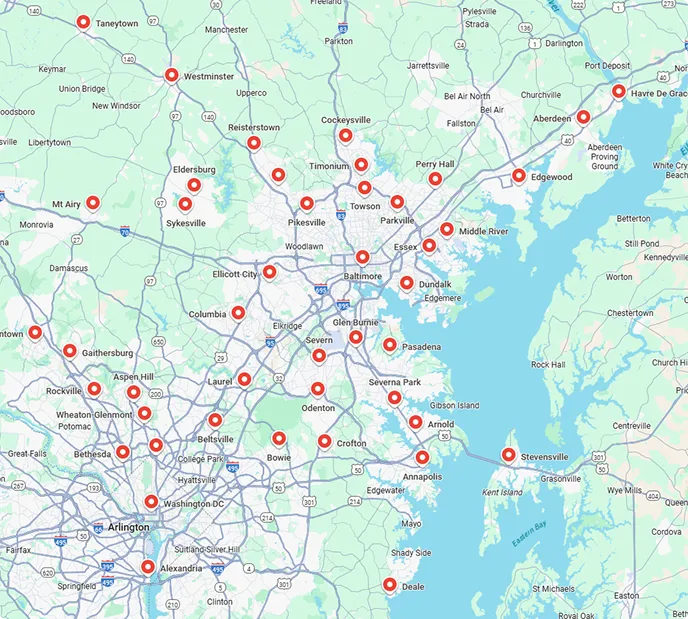
Service areas