

Heat Pump Installation in Pikesville, MD
Tario HVAC guides homeowners in Pikesville, MD through a comprehensive, code-compliant heat pump installation process designed to maximize comfort and energy efficiency. We cover selecting the right system (split, ductless, or cold-climate options), accurate load calculations, proper sizing, ductwork considerations, permitting, and commissioning. Our team explains post-installation care, warranty considerations, and available incentives, and underscores the value of professional installation for reliable winter performance and year-round savings in Maryland's climate. We also highlight common issues prevented by proper installation.
.jpeg)
Heat Pump Installation in Pikesville, MD
Heat pump installation in Pikesville, MD is an investment in year‑round comfort, lower utility bills, and a cleaner, more efficient home heating and cooling system. In a region with humid summers and cold winters, the right heat pump—properly sized and professionally installed—delivers consistent indoor temperatures, reliable winter performance, and the potential for significant energy savings compared with older electric resistance or aging fossil‑fuel systems. This page explains the full installation process, common issues we prevent with correct installation, permitting and code considerations specific to the area, and post‑installation care that protects your investment.
Which heat pump is right for Pikesville homes?
Selecting the right system depends on your home’s layout, existing ductwork, insulation, and comfort goals. Common options for Pikesville homeowners include:
- Split-system heat pumps (central): Best when you have existing ducts. Provide whole‑house heating and cooling and integrate with standard thermostats.
- Ductless mini‑split systems: Ideal for older homes or additions without ductwork. Offer room‑by‑room control and high efficiency.
- Cold‑climate heat pumps: Engineered to maintain capacity at lower outdoor temperatures common in Maryland winters. Good choice if you’re replacing a fossil fuel furnace or want reliable winter performance.
Factors that guide equipment selection here include local climate patterns, home orientation, and neighborhood housing types in Pikesville (many homes with mixed ages and varying duct conditions). Efficiency ratings (SEER/HSPF or DOE cold‑climate ratings) and warranty coverage are also important decision points.
Full heat pump installation process
A thorough, code‑compliant installation minimizes problems and maximizes system life and efficiency. The standard steps include:
Initial consultation and site assessment
- Discuss comfort goals and budget.
- Perform a visual inspection of the HVAC system, attic, crawlspaces, and potential equipment locations.
- Collect home data for a formal load calculation.
Proper sizing and load calculation
- Perform a Manual J load calculation to size equipment to your home’s actual heating and cooling needs.
- Address insulation levels, window types, and air leakage—oversizing or undersizing both cause issues.
Equipment selection
- Compare split systems, ductless mini‑splits, and cold‑climate options.
- Consider matched components (indoor coil, outdoor unit) for warranty compliance and performance.
- Evaluate controls and smart thermostat compatibility.
Ductwork considerations and modifications
- Inspect existing ducts for leaks, insulation, and proper sizing.
- Recommend duct sealing, balancing, or partial replacement if needed to achieve design airflow and efficiency.
- For ductless systems, plan indoor unit locations for optimal airflow and aesthetics.
Permitting and code compliance
- Obtain required permits and follow Maryland and Baltimore County electrical and mechanical codes.
- Ensure proper refrigerant handling by certified technicians and adherence to safe electrical service requirements.
Step‑by‑step installation and commissioning
- Safely remove old equipment when applicable.
- Install outdoor unit, indoor air handler or heads, refrigerant lines, condensate drainage, and electrical connections.
- Evacuate and charge refrigerant to manufacturer specifications.
- Commission system: verify pressures, temperatures, airflow, and control sequencing.
Post‑installation testing and homeowner orientation
- Demonstrate thermostat and operation modes, explain routine filters and seasonal adjustments.
- Provide documentation of equipment specs, warranty registrations, and maintenance recommendations.
Warranty and maintenance plan recommendations
- Explain manufacturer and labor warranty coverage terms.
- Recommend a preventive maintenance schedule (at least annual tune‑ups; split systems often require biannual attention) to preserve efficiency and warranty compliance.
Financing and incentives
- Many installation projects qualify for financing options and may be eligible for state, utility, or federal incentives. Financing programs and terms vary, and eligible homeowners should review current offerings and qualification criteria.
Common heat pump issues in Pikesville and how correct installation prevents them
Below are frequent problems seen in the field and the installation practices that prevent them:
- Short cycling and poor comfort — Usually caused by improper sizing or airflow; avoided by accurate load calculations and duct balancing.
- Insufficient heating on very cold days — Resolved by specifying a heat pump with proven low‑temperature performance or pairing with a backup heat source where appropriate.
- High energy bills — Often due to inefficient equipment, poor refrigerant charge, or leaky ducts. Proper equipment selection, correct refrigerant charging, and duct sealing reduce operating costs.
- Moisture and humidity complaints — Correct airflow and properly sized equipment optimize dehumidification in humid summers.
- Noise or vibration — Addressed with correct placement of the outdoor unit, vibration isolation, and proper unit mounting.
- Refrigerant leaks or electrical faults — Minimized by certified installation practices, pressure testing, and electrical code‑compliant connections.
Permitting, codes, and incentive overview for Pikesville, MD
Installing a heat pump in Pikesville requires adherence to local and state codes. Typical requirements include:
- Mechanical and electrical permits through Baltimore County jurisdictions.
- Refrigerant handling by certified technicians per EPA regulations.
- Inspection and final approvals for safety and code compliance.
Homeowners should also evaluate current incentives. Federal, state, and utility programs often offer rebates or tax credits for high‑efficiency heat pumps; availability and amounts change over time. Discussing incentives during the consultation ensures you receive the most up‑to‑date guidance.
Post‑installation care and maintenance recommendations
To protect efficiency, prolong equipment life, and maintain warranty compliance, follow these recommendations:
- Schedule annual preventive maintenance that includes airflow checks, refrigerant verification, coil cleaning, and control testing.
- Replace filters regularly and use the filter MERV rating recommended for your system.
- Keep outdoor units clear of debris, snow, and heavy ice buildup during winter.
- Enroll in a maintenance plan for priority service, seasonal tune‑ups, and documented service records.
Why professional installation matters in Pikesville
A correctly installed heat pump tailored to Pikesville homes delivers better comfort, lower operating costs, and longer equipment life than a rushed or underspecified job. Professional installation ensures proper sizing, code compliance, and performance testing—reducing the likelihood of unexpected repair costs and comfort issues later. With the variable Maryland climate, a system chosen and installed for local conditions will provide the best balance of winter reliability and summer efficiency.
Proper planning, permitting, and commissioning are the keys to a successful heat pump installation in Pikesville, MD. Homeowners who prioritize accurate load calculations, ductwork integrity, and certified installation practices benefit from consistent comfort and predictable energy use for years to come.

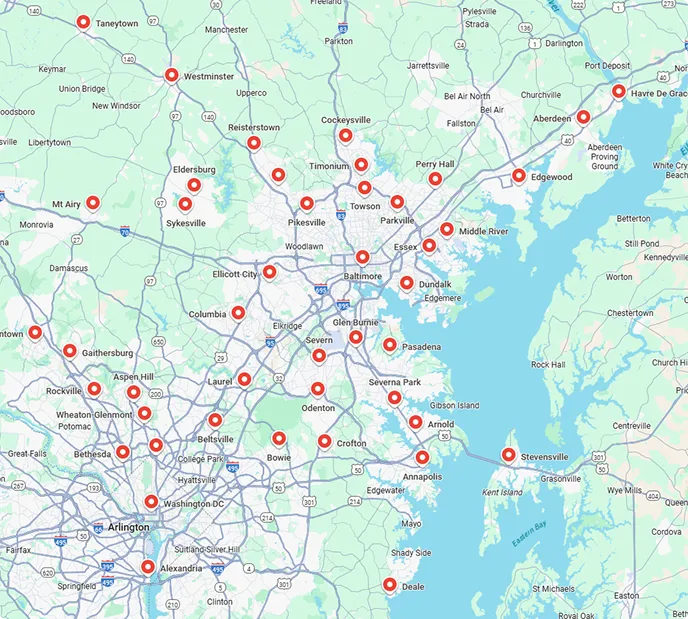
Service areas