

Heat Pump Installation in Beltsville, MD
Beltsville, MD heat pump installation guidance covers selecting the right system, precise load calculations, and best placement to maximize efficiency. The guide outlines common installation challenges, from ductwork and space constraints to electrical and permitting requirements, and explains sizing strategies, equipment options (ducted, ductless, VRF), and commercial considerations. It also details commissioning checks, ongoing maintenance, and the expected performance improvements in humidity control, energy savings, and year‑round comfort for homes and multi‑unit properties. The guidance emphasizes safety, code compliance, and professional installation.
.jpeg)
Heat Pump Installation in Beltsville, MD
Installing a modern heat pump is one of the most effective ways to upgrade comfort, lower seasonal energy costs, and reduce carbon footprint in Beltsville, MD homes and businesses. Heat pumps deliver both efficient heating and cooling, and when properly sized and installed they outperform older HVAC systems—especially in the Mid-Atlantic climate where hot, humid summers and moderately cold winters demand flexible, reliable equipment.
Why a heat pump makes sense in Beltsville
Beltsville experiences humid summers and chilly winters that rarely reach extreme lows. That makes high-efficiency air-source and cold-climate heat pumps well suited to local needs. Benefits include:
- Year-round heating and cooling from a single system
- Better humidity control during summer months
- Reduced energy use compared with older electric resistance heating and many aging furnaces
- Compatibility with smart thermostats and zoning for multi-family or commercial properties
Local factors to consider: many Beltsville homes are older and may need duct improvements or a ductless/mini-split solution for targeted comfort. Properties near large impervious surfaces or shaded by trees may influence outdoor unit placement and efficiency.
Common heat pump installation needs and issues in Beltsville
- Incorrect system sizing leading to short cycling or insufficient heating in winter
- Existing ductwork with leaks, poor insulation, or undersized runs
- Limited outdoor space for a condenser or rooftop restrictions on commercial sites
- Electrical service that needs upgrading to support modern heat pump loads
- Permit and inspection requirements specific to Prince George’s County
Understanding these common challenges up front helps ensure the right equipment choice and a smooth installation.
System sizing and selection
Proper sizing is the foundation of a successful heat pump installation in Beltsville. We recommend:
- A full Manual J load calculation to determine heating and cooling demand based on insulation levels, window area, occupancy, and orientation
- Matching equipment to the calculated load rather than square footage alone
- Considering variable-speed or inverter-driven compressors for improved comfort and efficiency
- For older homes, evaluating ductless mini-splits or multi-zone systems when ductwork replacement is impractical
- For commercial installations, evaluating VRF systems or rooftop units sized for zoning and peak loads
Oversizing leads to short run-times and humidity issues; undersizing causes poor comfort and higher energy use. Proper selection balances efficiency (SEER/HSPF ratings) and real-world performance for Beltsville’s climate.
Indoor and outdoor unit placement
Correct placement maximizes performance and minimizes disruption:
- Indoor air handlers should be located to optimize airflow, minimize duct runs, and allow easy filter and coil access
- Ducted systems require planning for return placement and duct sealing to reduce leakage
- Outdoor units need level, well-drained pads with adequate clearance for airflow and future service access
- In Beltsville, situating the condenser with some shading (morning sun exposure preferred) can improve summer efficiency, while keeping it clear of debris and vegetation
- For commercial roofs, consider vibration isolation, rooftop curb load limits, and local noise ordinances
Electrical and refrigerant work (safely and to code)
Heat pump installation includes specialized electrical and refrigerant tasks:
- Verifying service capacity and adding or upsizing a dedicated breaker and disconnect as required
- Running properly sized power and control wiring, following NEC and local electrical codes
- Installing refrigerant line sets, insulating them, and pressure-testing for leaks
- Evacuating lines to the correct vacuum and charging refrigerant by weight per manufacturer specifications
- All refrigerant handling should be performed by EPA 608-certified technicians and documented for compliance
Electrical and refrigerant work must meet Prince George’s County permitting and inspection standards to ensure safety and long-term reliability.
Permitting and code compliance
Heat pump installations in Beltsville require permits and inspections through Prince George’s County building authorities. Typical requirements include:
- HVAC permit for equipment replacement or new installations
- Electrical permits for service upgrades or new circuits
- Compliance with Maryland building energy codes and local amendments
- Proper documentation of equipment specifications, load calculations, and refrigerant handling
Permits protect property owners and ensure installations meet safety and performance standards.
Commissioning and performance verification
A thorough start-up and commissioning process confirms the system operates as intended:
- Measuring airflow and verifying correct CFM at registers
- Checking superheat/subcooling, refrigerant pressures, and charge per manufacturer specs
- Verifying electrical draw and proper operation of safety devices
- Calibrating thermostats and testing sequencing for multi-stage or heat pump/furnace dual-fuel setups
- Running system diagnostics in heating and cooling modes and documenting final performance
Commissioning provides the data to confirm energy expectations and identify any adjustments before the system is handed over.
Maintenance recommendations
Routine maintenance preserves efficiency and extends equipment life—especially important in Beltsville’s humid summers:
- Seasonal tune-ups (spring for cooling, fall for heating) including coil cleaning, refrigerant checks, and system diagnostics
- Quarterly filter checks and replacement to maintain airflow and indoor air quality
- Annual duct inspection and sealing for ducted systems to prevent energy loss
- Outdoor unit clearance, keeping at least 2 feet of free space from vegetation and debris
- Checking defrost cycles and backup heat operation in cold months
Regular maintenance reduces service calls, maintains warranty compliance, and keeps operating costs predictable.
Residential and commercial options
Residential installations: single-family homes, rowhomes, and apartments can use ducted heat pumps, ductless mini-splits, or hybrid systems paired with existing furnaces for peak-cold backup. Considerations include historic home constraints, duct retrofit costs, and interior aesthetics.
Commercial installations: options include rooftop heat pump units, packaged systems, and VRF multi-zone systems that provide precise control and energy savings for offices, retail, and light industrial spaces. Commercial projects commonly involve coordination with building management, roof engineers, and code officials.
What to expect from a quality installation
A well-executed heat pump installation in Beltsville, MD begins with accurate load calculations, correct equipment selection, careful placement, and professional electrical and refrigerant work followed by thorough commissioning and ongoing maintenance. The result is comfortable, efficient heating and cooling tailored to local climate patterns and the specifics of your property. Making the right choices at installation time reduces lifecycle costs, improves indoor comfort, and helps avoid common problems like short cycling, inefficient operation, or premature equipment failure.

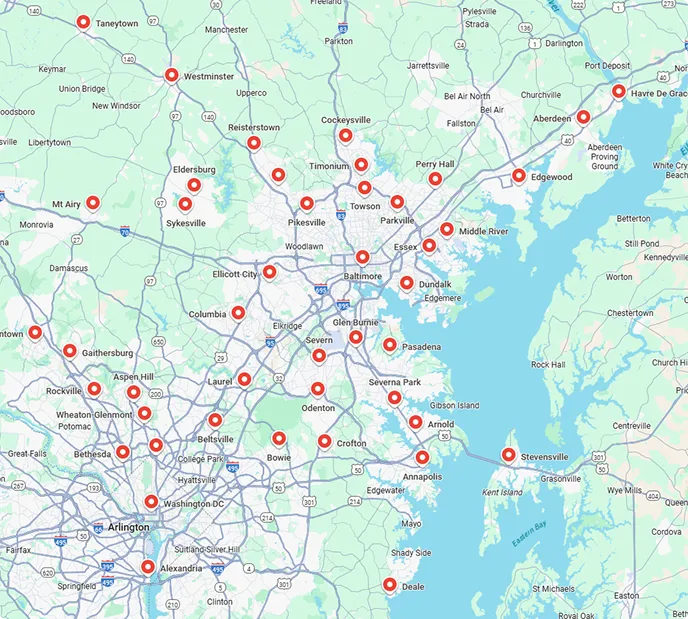
Service areas