

Heat Pump Installation in Aspen Hill, MD
Overview of heat pump installation in Aspen Hill, MD covers selecting the right system, performing a detailed site assessment, and calculating precise loads to prevent oversizing. It outlines common local considerations, permitting steps, and code compliance. The guide details professional installation procedures, from outdoor unit placement to indoor modifications, refrigerant handling, and commissioning. It also explains testing, warranty registration, and post-install optimization ideas to ensure energy efficiency, reliable performance, and long-term comfort for Aspen Hill homes.
.webp)
Heat Pump Installation in Aspen Hill, MD
Choosing the right heat pump and getting it installed correctly is one of the most impactful home upgrades you can make in Aspen Hill, MD. With hot, humid summers and cold winters that occasionally dip below freezing, a properly sized and installed heat pump delivers reliable year-round comfort, improved energy efficiency, and lower operating costs compared with older electric or fossil-fuel systems. This page explains the complete heat pump installation process for Aspen Hill homes, common local considerations, and practical steps to optimize system performance after installation.
Why a heat pump makes sense for Aspen Hill, MD
- Seasonal performance: Modern air-source and ductless heat pumps provide efficient cooling in humid summers and effective heating down to colder temperatures common in the Washington-Baltimore corridor.
- Right-sizing matters: Humidity and thermal gains from older windows and framing in many local homes increase cooling loads. A correctly sized system avoids short-cycling and comfort issues.
- Flexibility for older homes: Ductless mini-splits are ideal for additions, rooms without ducts, or historic houses where installing new ductwork would be disruptive.
- Environmental and cost considerations: Efficient heat pumps reduce electricity use compared with resistance heating and lower greenhouse gas emissions when paired with cleaner grid power.
Common heat pump installation issues in Aspen Hill, MD
- Undersized or oversized systems because of inaccurate load calculations
- Poor indoor air distribution in homes with aging or leaky ductwork
- Inadequate outdoor unit placement leading to noise, airflow restriction, or snow/ice problems in winter
- Electrical panel or breaker capacity limitations for newer high-efficiency units
- Lack of proper permitting or noncompliance with Montgomery County HVAC codes
Site assessment and accurate load calculations
Every professional installation begins with a detailed site assessment tailored to Aspen Hill properties. The assessment typically includes:
- Home size, layout, insulation levels, window types, and orientation
- Existing heating and cooling equipment and ductwork condition
- Occupant comfort preferences and any zoning needs
- Local shading, lot constraints, and where an outdoor unit can be sited
A certified load calculation (Manual J) determines the exact heating and cooling capacity required. This step prevents oversizing or undersizing and accounts for Aspen Hill-specific factors like high summer humidity and locally common building materials.
Selecting the right type of heat pump
Options commonly considered for Aspen Hill homes include:
- Air-source heat pumps: Versatile for most homes, offer high efficiency and straightforward installation. For colder winter performance choose a cold-climate model with a strong low-temperature heating rating.
- Ductless mini-split systems: Best for rooms without ducts, finished basements, or when you want zoned control. Less invasive and can be more efficient for targeted spaces.
- Hybrid systems: Pairing a heat pump with a furnace can provide reliable heat during extreme cold while maximizing efficiency during milder weather.
- Ground-source (geothermal) units: Highly efficient where feasible, but require more site disruption and higher upfront work, so suitability depends on lot size and budget.
Selection also includes evaluating SEER/HSPF ratings, compressor type (inverter-driven for variable speed), and matching indoor unit capacities to the load calculation.
Permitting and code compliance in Aspen Hill (Montgomery County)
Proper permitting is a critical step. Installations must comply with Montgomery County codes and state HVACR licensing requirements. Typical paperwork and compliance checks include:
- Building permits for replacement or new systems
- Electrical permits if the installation requires panel upgrades or new circuits
- Adherence to refrigerant handling and disposal regulations
- Inspection scheduling with local authorities as required
Securing permits protects homeowners and ensures systems are installed safely and to code.
Professional installation procedures
Professional installation follows a standard sequence to ensure reliable operation:
- Pre-install planning and material staging based on the site assessment
- Placement of outdoor unit: level pad, adequate clearance for airflow, and consideration for noise and snow clearance
- Indoor unit installation or duct modifications: proper mounting, condensate drainage, and airflow balancing
- Refrigerant line and electrical connections: correct sizing, secure routing, and electrical safety measures
- System evacuation, charge, and leak testing to ensure airtight refrigerant circuits
- Commissioning and initial startup with performance verification
Typical timelines vary: a simple replacement can often be completed in a day, while multi-zone ductless or hybrid installations may take multiple days.
System testing, commissioning, and warranty registration
Thorough testing ensures the system meets performance expectations:
- Measuring superheat/subcooling and confirming proper refrigerant charge
- Verifying airflow, supply and return temperatures, and thermostat calibration
- Running defrost cycles and verifying backup heat integration if present
- Demonstrating operation modes and controls to the homeowner
After installation, registering manufacturer warranties and documenting service records preserves warranty coverage and simplifies future maintenance or claims.
Optimizing performance after installation
To get the best performance from your new heat pump in Aspen Hill:
- Maintain refrigerant charge and airflow: schedule annual tune-ups to preserve efficiency and longevity
- Seal and insulate ductwork: reduces energy losses common in older local homes
- Use a programmable or smart thermostat and zone settings to match occupancy patterns
- Keep outdoor units clear of debris, leaves, and snow; allow 18-24 inches of clearance for airflow
- Change filters regularly and ensure returns are unobstructed
- Consider attic or crawlspace insulation upgrades to reduce system load and improve comfort
Long-term benefits and considerations
A professionally installed heat pump provides:
- Year-round comfort with efficient heating and cooling
- Reduced utility consumption compared with older electric resistance systems
- Flexible options for retrofit scenarios and historic homes common in Aspen Hill
- Improved indoor comfort through better humidity control in summer
Regular maintenance and proper commissioning at installation are the most important factors in realizing those benefits. Proper permitting, accurate load calculations, and choosing equipment suited for Maryland winters ensure dependable performance and protect your investment over the life of the system.

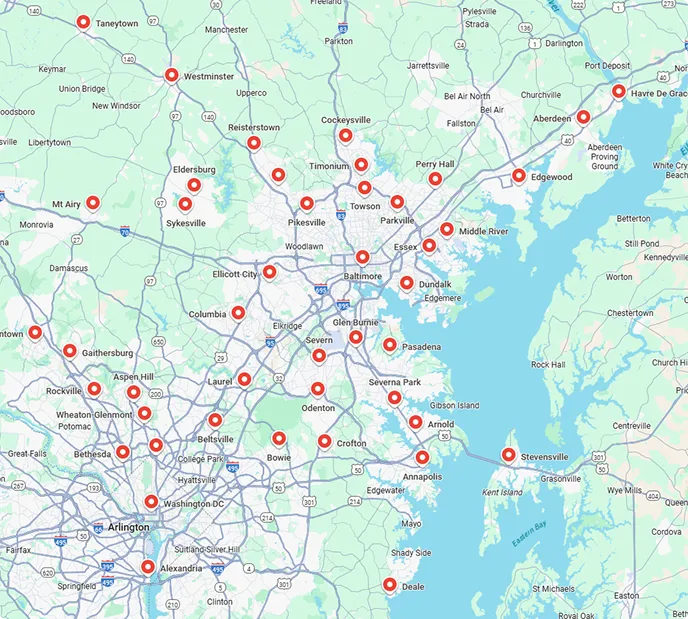
Service areas