

Water Heater Repair in Essex, MD
Prompt, reliable water heater repair is essential for Essex, MD homes where seasonal temperature swings, high humidity, and coastal air can accelerate wear. Whether you are facing no hot water, leaks, or strange noises, addressing issues quickly reduces the risk of damage, improves safety, and restores energy efficiency. Tario HVAC can help you identify common signs you need water heater repair, explain how our professionals diagnose gas and electric systems, detail typical repairs and estimated costs, address safety considerations, provide emergency repair guidance, and offer practical efficiency tips tailored to Essex households.
.webp)
Common signs you need Water Heater repair in Essex, MD
- No hot water or suddenly reduced hot water supply. This can indicate a failed heating element, burner problem, or broken thermostat.
- Inconsistent temperature or frequent temperature swings. Often caused by a failing thermostat, heating element, or sediment buildup that interferes with heat transfer.
- Visible leaks around the tank or fittings. Leaks commonly come from loose connections, a failed pressure relief valve, or corrosion through the tank.
- Strange noises: popping, banging, or rumbling. Sounds usually mean significant sediment accumulation on the bottom of the tank, reducing efficiency and stressing components.
- Discolored or metallic-smelling water. Rust-colored water points to corrosion inside the tank or an eroded anode rod.
- Higher than normal energy bills. A water heater that runs inefficiently because of scale, bad parts, or improper settings uses more energy.Local factors in Essex like humid conditions and proximity to the Bay can speed tank corrosion and wear of external valves and vents, making timely repairs more important.
Diagnostic tests for gas and electric units
Gas water heater diagnostics
- Visual inspection of venting, combustion chamber, burner assembly, and flue for blockages or corrosion from salty air.
- Pilot and ignition checks: confirm pilot light or electronic ignition function and examine thermocouple or flame sensor.
- Gas pressure and leak testing to ensure proper fuel delivery and safety.
- Combustion analysis if necessary to check flame quality and carbon monoxide risk.
Electric water heater diagnostics
- Circuit and breaker checks to confirm power supply.
- Thermostat and heating element continuity tests using a multimeter.
- Voltage checks at the element or thermostat to determine if the problem is electrical or component-level.
- Inspection for sediment and dip tube condition that can affect hot water flow and temperature.
Both types
- Tank inspection for corrosion, leaks, and anode rod condition.
- Pressure relief valve test and overall plumbing connections check.
- Temperature verification and flow rate assessment.
Common repairs and what they fix
- Thermostat replacement - restores accurate temperature control for both gas and electric units.
- Heating element replacement (electric) - fixes no-heat or partially heated water problems.
- Burner cleaning or gas valve/ignition repair (gas) - addresses ignition failures and inefficient burning.
- Temperature and pressure relief (T&P) valve replacement - stops unsafe overpressure and leaks.
- Sediment flush - reduces noises, improves heat transfer, and extends element or burner life.
- Anode rod replacement - slows internal tank corrosion and helps prevent tank leaks.
- Leak repair at fittings or minor tank patching - temporary fixes for loose connections; significant tank corrosion typically requires replacement.
- Vent and flue repairs - essential for safe gas unit operation and to prevent carbon monoxide hazards.
Estimated costs (typical ranges)
- Thermostat replacement: $100 to $250
- Heating element replacement: $150 to $350
- T&P valve replacement: $75 to $200
- Sediment flush or tank flush service: $75 to $200
- Anode rod replacement: $125 to $350
- Gas burner/ignition repairs: $150 to $500 depending on parts and labor
- Minor leak repairs and valve replacements: $100 to $400
- Full tank replacement: $800 to $3,000 depending on tank size, efficiency, and whether switching between electric and gasCosts vary based on parts, accessibility, local labor rates, and whether corrosion from coastal conditions requires additional work. These estimates are for repair-level interventions; repeated failures or severe corrosion may make replacement the more cost-effective option.
Safety considerations
- Gas leak and carbon monoxide risk: any smell of gas or symptoms such as headache or nausea require immediate evacuation and a licensed gas technician. Do not attempt extensive gas repairs yourself.
- Electrical hazard: always shut off power at the breaker before attempting any inspection on electric units. Professional electricians or trained technicians should handle internal electrical repairs.
- Hot water burns: set the thermostat to 120 F to reduce scald risk while maintaining efficiency.
- Flood risk from leaks: shut off water to the tank at the isolation valve if a leak is discovered and avoid standing on wet surfaces with electrical systems exposed.
Emergency repair availability and when to call immediately
Emergency repair situations include active leaks causing flooding, complete loss of hot water in cold months, strong odor of gas, or suspected carbon monoxide. In freezing conditions, a nonworking water heater can lead to frozen pipes. Emergency response focuses on isolating the problem, minimizing water damage, and implementing a safe temporary fix until full repair can be completed.
Tips for improving efficiency and extending lifespan
- Flush the tank annually to remove sediment, especially important if local water hardness or mineral content is high.
- Set the thermostat to 120 F to balance comfort, safety, and energy savings.
- Insulate older tanks and the first few feet of hot water pipes to reduce standby heat loss.
- Replace the anode rod every 3 to 5 years or sooner if corrosion is evident.
- Consider a water softener or sediment filter if mineral buildup is recurring; this reduces element and tank wear.
- Schedule regular professional inspections to catch small problems before they become major failures.
Timely water heater repair in Essex, MD protects your home from water damage, improves safety, and restores comfort for your household year-round. Addressing issues early often saves money by avoiding emergency replacements and reducing energy waste.
Q: How long does a typical water heater repair take?
A: Most common repairs like replacing an element, thermostat, or T&P valve take 1 to 3 hours. More complex issues or parts ordering can extend the timeline.
Q: When is replacement a better option than repair?
A: If the tank is over 10 to 12 years old, has significant corrosion, or repairs would cost more than 50 percent of a new unit, replacement is usually more cost-effective.
Q: Can I perform water heater repairs myself?
A: Basic maintenance like draining and flushing can be DIY for homeowners who are comfortable with plumbing and safety steps. Major repairs, especially gas or electrical work, should be performed by licensed professionals.
Q: How often should I flush my water heater in Essex?
A: Annually is recommended; in areas with higher mineral content or sediment you may need to flush every 6 months.
Q: Does coastal air in Essex affect my water heater?
A: Yes. Salt air and high humidity can accelerate external corrosion of vents, fittings, and external components, and may shorten lifespan without regular inspection.
Q: Is it safe to run a water heater with a small leak?
A: No. Even small leaks can lead to electrical hazards, increased corrosion, and water damage. Isolate the water supply and have a technician assess and repair the leak promptly.

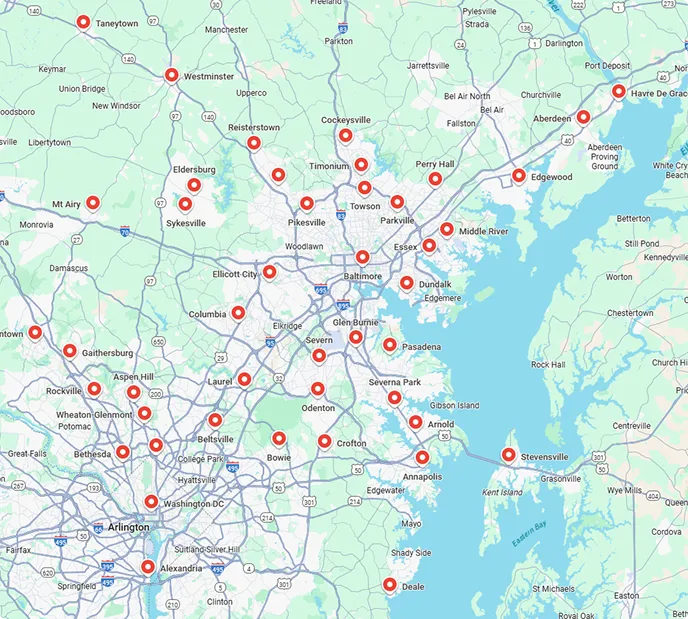
Service areas