

Tankless Water Heater Installation in Glen Burnie, MD
Making the switch to a tankless water heater in Glen Burnie, MD brings instant hot water, significant energy savings, and a much smaller footprint for both homes and businesses. For homeowners and commercial operators throughout Anne Arundel County, Tario HVAC provides properly sized and professionally installed tankless systems that drastically reduce standby heat loss common with old tank systems, ensure consistent hot water even during peak usage, and extend equipment life when combined with the right water treatment and maintenance. We'll cover the many benefits, discuss sizing, explain our site assessment and permit considerations, detail the installation process (including gas, electrical, and plumbing work), recommend top brands, provide expected timelines and cost ranges, outline maintenance needs, and guide you through potential rebates and financing options specific to Glen Burnie.
.webp)
Benefits of Tankless Water Heater Installation in Glen Burnie, MD
- Continuous hot water on demand for showers, laundry, and commercial needs
- Higher energy efficiency compared to traditional tanks, especially in moderate-to-cold Maryland climates where standby losses are costly
- Smaller footprint frees up utility closet or garage space in older Glen Burnie homes
- Longer expected lifespan (often 15-25 years) with proper maintenance
- Reduced risk of large-scale leaks from a ruptured tank
Common tankless system types and typical use cases
- Gas-fired condensing tankless — best for larger homes and commercial applications needing high flow rates and improved efficiency
- Gas-fired non-condensing — reliable for high-demand homes where existing venting matches requirements
- Electric tankless — effective for smaller homes, point-of-use installations, or where gas is not available; requires electrical panel upgrades in many Glen Burnie homes
- Point-of-use vs whole-house — smaller units located near a single fixture vs centralized units sized for whole-house demand
Sizing a Unit for Your Home or Business
Accurate sizing is critical to avoid undersized systems that cause lukewarm water during peak use and oversized units that waste budget. Key steps:
- Determine peak simultaneous demand in gallons per minute (GPM). Typical flow rates:
- Shower: 1.5 to 2.5 GPM
- Kitchen faucet: 1.0 to 2.0 GPM
- Dishwasher: 1.0 to 2.0 GPM
- Washing machine: 1.5 to 2.5 GPM
- Add expected simultaneous flows to get required GPM.
- Calculate temperature rise: desired output temperature (commonly 120°F) minus incoming ground water temp. In Glen Burnie, winter inlet temps are often in the mid 40s to low 50s F; summer temps are higher. Use worst-case (coldest) inlet temperature for sizing.
- Choose a unit rated to deliver the required GPM at that temperature rise. Example: two simultaneous showers (2.5 GPM each) plus dishwasher (1.5 GPM) = 6.5 GPM. If inlet temp is 45°F and target is 120°F, you need a unit that can provide 6.5 GPM at a 75°F rise.
Site Assessment and Permit Requirements (Glen Burnie / Anne Arundel County)
A professional pre-install inspection evaluates:
- Location, clearances, and venting routes (including vertical or sidewall venting for gas units)
- Gas line capacity and pressure if converting from electric or upsizing a gas unit
- Electrical service and panel capacity for electric tankless units (may require dedicated breaker or panel upgrade)
- Water pressure, existing plumbing layout, and water quality (hard water is common in Maryland and can accelerate scaling)
- Condensate drain routing for condensing gas units and space for a condensate pump if needed
- Local permit needs: mechanical, plumbing, and possibly building permits are typically required in Anne Arundel County. Inspections ensure code-compliant venting, gas connections, and combustion air. Budget time for permit approval and inspection scheduling.
Professional Installation Process (Gas / Electrical / Plumbing Considerations)
- Pre-installation: site assessment, sizing confirmation, permits pulled.
- Removal: safe decommissioning and removal of existing tank (if applicable), proper management of gas lines and electrical disconnection.
- Gas installations: gas line sizing and possible upgrade, installation of correct venting materials and terminations, combustion safety checks, and leak testing.
- Electric installations: evaluate service capacity, install dedicated breakers and appropriate wiring, system grounding and overcurrent protection.
- Plumbing: hook-ups to cold and hot lines, install pressure relief and shutoff valves, integrate mixing valves if required, and add or modify condensate drains.
- Startup and testing: verify flow rates, temperature performance at various loads, gas pressure, combustion efficiency, vent integrity, and instruct on basic maintenance features.
- Permitted inspection: final inspection by county building department to close permits.
Recommended Brands
Reliable manufacturers commonly used in Glen Burnie installations:
- Rinnai (well-known gas models)
- Navien (high-efficiency condensing gas units)
- Noritz (durable gas models)
- Bosch (gas and electric options)
- Rheem (both electric and gas residential options)Choose models with proven reliability, available local service, and appropriate warranty coverage for your application.
Expected Timelines and Costs (Estimates)
- Site assessment and permit pull: 1 to 3 weeks depending on permit queue
- Straightforward replacement: 4 to 10 hours on-site (same-day possible)
- Complex retrofits (venting reroute, gas/electrical upgrades): 1 to 3 days
- Cost ranges (estimates, vary by project complexity):
- Electric point-of-use units: $500 to $1,500 installed
- Whole-house electric tankless with panel upgrades: $1,200 to $4,000 installed
- Gas tankless units (unit + standard install): $2,000 to $5,500
- Gas condensing high-efficiency systems or commercial-grade installs: up to $7,000 or more with extensive gas or venting modificationsActual costs depend on unit selection, upgrades to gas or electrical service, venting complexity, and required plumbing modifications.
Maintenance Requirements for Longevity in Glen Burnie
- Annual descaling or flush to remove mineral buildup; frequency increases with hard water
- Check and clean inlet water filters and aerators regularly
- Inspect venting and condensate drains for blockages or corrosion
- Gas pressure and combustion checks annually for gas-fired systems
- Consider water softening or scale prevention for homes with hard water to protect heat exchangersRoutine maintenance preserves efficiency and helps the unit reach its expected lifespan
Rebates and Financing (Maryland / Glen Burnie Context)
Energy incentives and financing can lower upfront costs. Potential sources:
- State programs administered by the Maryland Energy Administration may offer rebates or efficiency incentives for high-efficiency water heaters
- Local utility incentives: check available programs from area utilities serving Glen Burnie for water heater rebates or demand response programs
- Federal energy tax credits or efficiency rebates may apply to qualifying high-efficiency systems (criteria and availability change over time)
- Many financing programs are available through lenders and specialty energy financing for home upgrades
- Confirm current programs and eligibility through local utility and state energy resources before purchase.
FAQs
Q: How do I know whether a gas or electric tankless unit is right for my Glen Burnie home?
A: Consider available utilities, peak hot water demand, electrical panel capacity, and upfront budget. Gas typically supplies higher flow rates for whole-house needs; electric works well for point-of-use or smaller homes. A professional site assessment will determine feasibility and any required upgrades.
Q: Will installation require changing my gas line or electric panel?
A: Possibly. Gas tankless units often need a larger gas service or line upsizing. Electric tankless units frequently require dedicated circuits and sometimes a panel upgrade. A pre-install inspection identifies necessary changes.
Q: How does Glen Burnie water hardness affect tankless heaters?
A: Hard water increases scale buildup inside the heat exchanger, reducing efficiency and lifespan. Annual descaling and a water softener or scale inhibitor are common recommendations for Glen Burnie homes.
Q: How long does a tankless water heater installation take from assessment to completion?
A: Assessment and permit processing can take 1 to 3 weeks. Straightforward installs can be completed in a day; complex retrofits may take several days. Permit inspection scheduling can add time depending on county schedules.
Q: Are there ongoing costs after installation?
A: Expect annual maintenance costs for flushing and inspections. Gas usage or electricity costs depend on your usage patterns, but tankless systems often lower overall energy consumption compared with tank units.

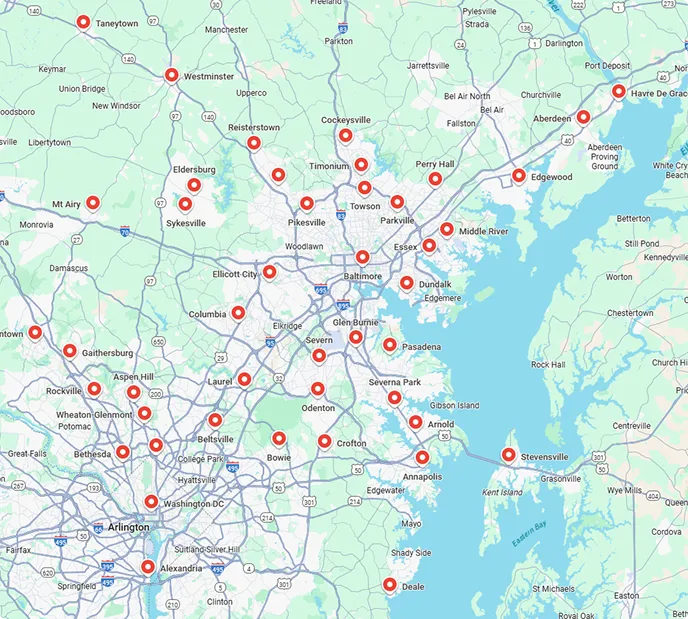
Service areas