


Sump Pumps in Silver Spring, MD
A functioning sump pump is truly one of the most important defenses for Silver Spring, MD homes against basement flooding, water damage, and the long-term problems that often follow. With humid summers, frequent heavy rains, spring runoff, and occasional storm-related power outages, home basements here are especially vulnerable. Tario HVAC provides expert sump pump installation, replacement, and repair services. We'll detail the types of pumps and battery backup options, explain how pumps integrate with basement waterproofing systems, discuss routine testing and maintenance, warranty and alarm choices, and inform you on what to expect from emergency flood-response situations.
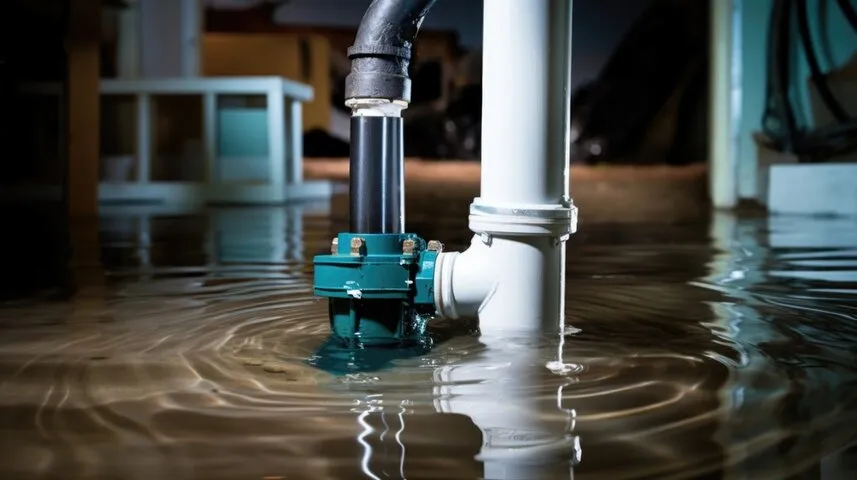
Why a Sump Pump matters in Silver Spring
Silver Spring’s climate and local soil conditions mean many basements deal with a high water table and surface runoff after heavy storms. A properly sized and installed sump pump keeps water out of living spaces, protects finishes and stored items, and reduces mold and structural risk. Timely repair or replacement prevents catastrophic failures during peak rain events common to the Mid-Atlantic.
Common sump pump issues in Silver Spring
- Clogged or full sump pit from debris, sediment, or roots from older neighborhood landscaping.
- Failed float switch or stuck float causing the pump not to run or to run continuously.
- Motor failure due to age, long-term wear, or grit in the pump.
- Power outages during storms leaving pumps inoperative without a backup.
- Frozen or blocked discharge lines in colder months limiting discharge capacity.
- Frequent short-cycling from incorrect pit sizing or improper pump selection.
Understanding these local failure modes helps prioritize preventive maintenance and appropriate system upgrades.
Types of sump pumps and backup options
- Submersible sump pumps: Sit inside the pit, quieter, more powerful, good for finished basements and deeper pits. Best for high-volume needs in Silver Spring homes.
- Pedestal sump pumps: Motor sits above the pit with a long shaft; easier to service and usually less expensive, but louder and less suited to dirty pits.
- Duplex systems: Two pumps (primary and secondary) for redundancy; common in areas with frequent heavy rains.
- Battery backup systems: Provide power when the grid fails. Typical sealed lead-acid backups offer several hours of run time under moderate pumping; lithium-ion options provide longer life and quicker recharge. Backup capacity should match projected inflow during Silver Spring storms.
- Water-powered backups: Use municipal water to create suction and can run indefinitely while water is available but rely on sufficient municipal pressure.
Choosing the right type depends on basement use, pit size, expected inflow, and local storm patterns.
Installation, replacement, and repair process
- Initial assessment: Inspect the sump pit, measure pit dimensions, check discharge routing, test float mechanism, and evaluate electrical supply and any existing backups or alarms.
- Sizing and selection: Match pump capacity to required head (vertical lift) and expected gallons per minute. Consider duplex or higher-capacity units for neighborhoods prone to heavy runoff.
- Removal and preparation: For replacements, remove the old unit, clean the pit, and inspect plumbing and check-valve. For new installs, create or line the pit according to local code and best practices.
- Installation: Install pump with correct discharge piping, low-profile check valve, and properly sloped discharge line to prevent backflow. Ensure electrical connections meet code and include dedicated GFCI protection where required.
- Testing and commissioning: Cycle the pump multiple times, test backup battery under load, confirm alarms are working, and inspect for leaks or vibration. Provide documentation of pump model, capacity, and warranty.
Common repairs include motor replacement or full unit swap, float or control board repair, check valve replacement, clearing clogged discharge lines, and fixing electrical faults.
Integration with basement waterproofing systems
A sump pump is most effective when part of a comprehensive waterproofing strategy. Integration options include:
- Interior French drain or perimeter drain channels that direct seepage into the sump pit.
- Exterior drainage improvements and grading to reduce surface runoff into foundations.
- Sump pit liners and sealed lids to control odors and keep debris out.
- Dehumidifiers and encapsulation in high humidity basements to manage moisture after pumping.
Combining a correctly sized pump with proper drainage decreases the workload on the pump and improves long-term reliability.
Routine testing, maintenance, and troubleshooting
- Visual check: Quarterly inspect the pit, discharge line, and float for obstructions.
- Annual tune-up: Clean the pit, test pump operation under load, inspect/check valves, test the backup battery and alarm, and measure amperage to spot motor wear.
- Simple troubleshooting: If the pump hums but does not pump, debris or a seized impeller may be present. Frequent on/off cycling usually points to an oversized pit or undersized pump or a failing float switch. Loud grinding or vibration is often motor or bearing failure.
Regular maintenance extends pump life and reduces emergency repairs during peak storm seasons.
Warranty and alarm options
- Warranties: Manufacturer warranties commonly range from 1 to 5 years depending on model and type; battery backups often carry separate warranties. Service warranties for labor may also be available for shorter terms. Keep records of model numbers and service dates to support warranty claims.
- Alarms and monitoring: Options include audible high-water alarms, hardwired or wireless float alarms, and smart monitors that send text/email alerts. Smart monitoring is valuable in Silver Spring when power outages coincide with heavy rain so you can be alerted before water reaches finished areas.
Emergency flood-response considerations
During active flooding events, immediate priorities are safety and limiting damage. If water threatens living areas, shutting off power to flooded zones and avoiding contact with standing water that may be electrically charged are essential safety steps. For properties with sump pumps, a battery backup or secondary pump reduces flood risk during outages. After an event, document damage for insurance, dry areas thoroughly to prevent mold, and assess whether pump upgrades or additional drainage work are needed to prevent recurrence.
Timely installation, correct sizing, regular maintenance, and appropriate backups make sump pumps reliable protectors for Silver Spring basements. Addressing problems early, integrating pumps with waterproofing measures, and using alarms and backups tailored to local storm patterns reduce the risk of costly water damage and long-term moisture problems.
Q: How long does a sump pump typically last?
A: Most sump pumps last 5 to 10 years depending on pump type, frequency of use, water quality, and maintenance. Heavily used pumps in high-inflow situations may need replacement sooner.
Q: How often should I test my battery backup?
A: Test the battery backup monthly and perform a full-load test annually to confirm run time under realistic conditions. Replace batteries according to manufacturer recommendations or if run time falls significantly.
Q: Can a sump pump handle a finished basement?
A: Yes. For finished basements, a quiet submersible pump with a properly sealed pit and reliable backup is usually best to balance performance with minimal disruption.
Q: What does frequent cycling indicate?
A: Frequent short-cycling often means the pump is too powerful for the pit size, the pit is too small, or the float switch is malfunctioning. It can also indicate leaking discharge lines or check-valve issues.
Q: Are wireless alarms reliable in Silver Spring?
A: Modern wireless alarms and smart monitors are reliable for alerting homeowners about high water. However, they depend on cellular or Wi-Fi connectivity, so pairing with local audible alarms or a battery backup is prudent during outages.
Q: Should I replace a pump after a flood?
A: If a pump experienced sustained heavy use or if the motor was submerged in contaminated water, full replacement is often recommended to ensure reliability and avoid premature failure.

Service areas