


Sump Pumps in Severn, MD
Basement flooding and water intrusion are very real risks in Severn, MD. A high water table, heavy spring rains, tropical storms, and seasonal Nor’easters can easily overwhelm foundations. A properly selected and installed sump pump system is your best defense, protecting your home, preserving finished basements, and reducing mold and structural damage. Tario HVAC offers comprehensive sump pump installation, replacement, and repair services in Severn, MD. We'll detail what systems are available, highlight key differences, discuss battery backup options, routine maintenance, signs of failure, the installation process, pricing factors, and provide basement water management recommendations specifically tailored to local conditions.
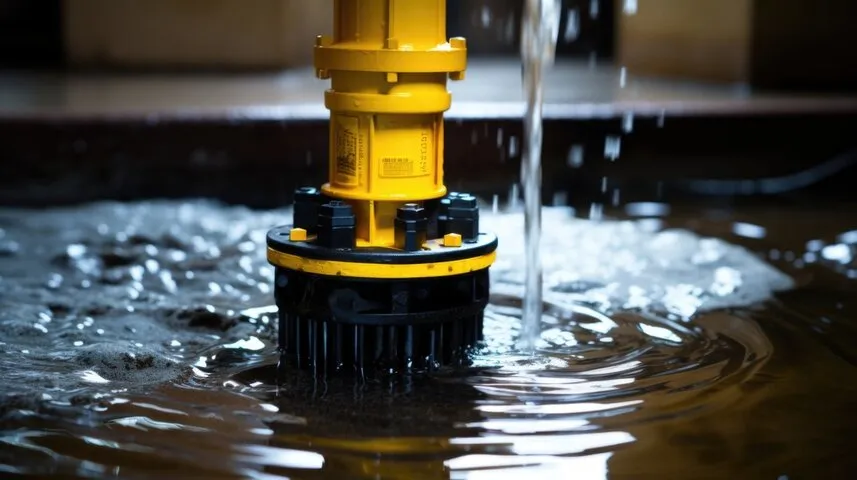
Why a Sump Pump matters in Severn, MD
Homes in Severn often face quick runoff from impervious surfaces and neighborhood grading that can direct water toward foundations. Many basements are at risk when seasonal groundwater rises. A reliable sump pump prevents minor seepage from becoming costly flooding by removing water from the lowest point and discharging it away from the foundation. In areas with power outages during storms, a battery backup or generator-ready system provides essential continued protection.
Common sump pump issues in Severn, MD
- Clogged or frozen discharge lines during winter or blockage from debris
- Pump cycling too frequently because of high groundwater or incorrect float settings
- Burned-out motors from age, power surges, or frequent short runs
- Failed check valves causing discharged water to return to the pit
- Sump pit deterioration, collapsed liners, or excessive sediment
- Inadequate backup power during storms and outages
Types of sump pump systems
- Submersible pumps: Installed inside the sump pit, fully submerged. Quieter, better for larger pits and continuous use, and typically more powerful for deeper pits common in Severn basements.
- Pedestal pumps: Motor sits above the pit with a vertical shaft to the impeller. Easier to service and often less expensive initially, but noisier and less suited to very wet or debris-prone pits.
- Battery backup pumps: Standby pumps powered by a dedicated battery that activate automatically if the primary pump or power fails. Essential in Severn for storm protection.
- Combination/duplex systems: Two pumps (primary and secondary) provide redundancy and handle heavy inflow during long rain events.
- Alarm and smart monitoring: Alerts homeowners to high water levels, pump failure, or power loss via local alarms or remote notifications.
Diagnosing problems and the installation/replacement process
A professional assessment in Severn begins with a site inspection: pit size and condition, floor slope, discharge routing, local grading, and electrical access. Typical installation or replacement steps:
- Inspect existing pit and pump, test float and motor, and evaluate discharge path.
- Remove old pump and clean/repair or replace the sump pit liner if necessary.
- Select an appropriate pump type and size based on pit depth, expected inflow, and head height (vertical distance to discharge).
- Install pump with a check valve, secure discharge piping, and route the line to discharge at a safe distance from the foundation or into approved storm infrastructure when allowed.
- Install a battery backup or second pump if needed, and add alarms or smart sensors if desired.
- Test the system under load, verify automatic switching to backup power, and confirm noise and vibration are within acceptable levels.
- Leave documentation on system settings and basic testing guidance.
Permits may be required depending on discharge routing and local codes in Anne Arundel County; a local assessment will clarify requirements.
Pricing factors (what determines cost)
- Pump type and capacity (submersible vs pedestal, horsepower)
- Inclusion of battery backup or duplex redundancy
- Condition and size of the sump pit and whether pit repair or liner replacement is needed
- Complexity of discharge routing and need for trenching or connection to storm lines
- Electrical work: dedicated outlet, GFCI protection, or panel upgrades
- Labor time and any required permits or inspections
- No specific price is provided here, but these factors are what influence the final cost for sump pump installation, replacement, or repair.
Routine maintenance and testing guidance
- Inspect and test the pump every 3–6 months; test before predicted heavy storms in Severn and after winter thaw.
- Pour a bucket of water into the pit to ensure the float rises smoothly and the pump activates and discharges properly.
- Check and clean inlet screens, the pump housing, and the pit to remove sediment, gravel, or debris.
- Verify the check valve is functioning to prevent backflow.
- Replace batteries in backup systems every 3–5 years or according to manufacturer recommendations; test backup operation monthly.
- Listen for changes in noise or unusual cycling; early detection prevents motor burnout.
- Keep discharge lines free and insulated where prone to freezing.
Signs your sump pump needs repair or replacement
- Continuous or frequent short-cycling (runs for short periods repeatedly)
- Unusual loud or grinding noises during operation
- The pump runs but water level in pit doesn’t decrease
- Visible corrosion, leaks, or oil in the pump assembly
- Failure to operate during test or power outage (backup not engaging)
- Age: many pumps reach end of reliable life between 7–10 years depending on use and model
Basement water management recommendations for Severn homes
- Grade soil away from the foundation and maintain at least a 4–6 inch drop within the first few feet.
- Keep gutters and downspouts clean and extend downspouts at least 6–10 feet or tie into approved storm drainage to prevent concentrated runoff.
- Consider exterior drainage solutions like French drains or swales for yards with poor natural drainage.
- Seal foundation cracks and window wells; install proper covers on window wells and maintain sump pit covers to limit debris entry.
- For finished basements, consider an interior perimeter drain tied to the sump pump to capture seepage before it reaches finished spaces.
Warranty and coverage considerations
- Manufacturer warranties vary; typical motor and component warranties range from 1 to 5 years. Review warranty terms for coverage of motors, seals, and electronic components.
- Ask about labor warranty for installation work; reputable installations often include a labor guarantee for a defined period.
- Battery backups and batteries themselves often have separate warranties; battery replacement intervals and warranty terms should be documented.
- Keep records of purchase, model numbers, and service history to support any warranty claims.
Frequently Asked Questions
Q: How long does a sump pump last?
A: Typical sump pump life is 7–10 years for average use; pumps subject to heavy duty, frequent cycling, or poor maintenance may fail sooner.
Q: Do I need a battery backup for my sump pump in Severn?
A: Battery backups are recommended in Severn due to frequent storm-related power outages; they provide critical protection when the main power is out.
Q: How often should I test my sump pump?
A: Test the pump and backup monthly during high-risk seasons and at least every 3–6 months year-round. Perform a full test before major storms and after winter.
Q: What size pump do I need?
A: Pump sizing depends on pit depth, expected inflow, and discharge head height. A professional assessment will select the correct horsepower and flow rate.
Q: Can a sump pump discharge into the street or storm drain?
A: Local codes vary. In some cases connection to storm drains is restricted. A local inspection will determine permitted discharge methods and any required permits.
Q: Will a sump pump prevent all basement moisture?
A: A sump pump removes water that collects in the pit but does not address all moisture sources. Combined solutions—grading, gutters, drainage systems, and foundation sealing-deliver the best protection.

Service areas