



Sump Pumps in Middle River, MD
Basement and crawlspace water is a common and costly problem in Middle River, MD. With low-lying lots, a high water table, and proximity to the Chesapeake Bay, reliable sump pump systems are essential. Tario HVAC provides expert sump pump installation, replacement, and repair services, including battery-backup options, capacity selection, and maintenance, all tailored to the needs of Middle River homes. We'll also help you understand signs of failure, emergency response, and flood-prevention strategies to keep your property safe and dry.
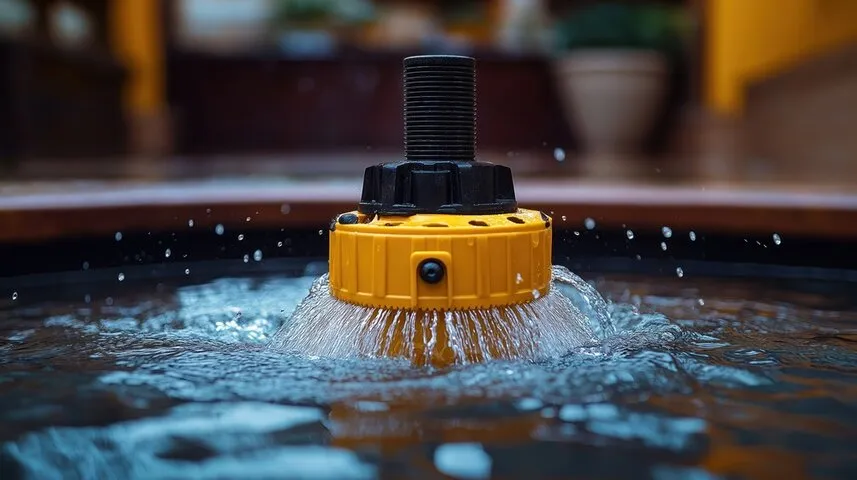
Why a proper Sump Pump matters in Middle River, MD
- Heavy spring and fall rains, combined with occasional nor'easters, can quickly overwhelm poorly drained basements.
- High groundwater and saturated soils increase the risk of constant or recurring seepage.
- Power outages during storms make battery-backup systems a crucial consideration for uninterrupted protection.
- Choosing the right system and maintaining it regularly reduces structural damage, mold growth, and costly cleanup.
Common sump pump services and system types
- Installation: New systems sized to your home and expected inflow, including discharge piping, check valves, and pit liners.
- Replacement: Upgrading aging or undersized pumps, switching from pedestal to submersible units, or adding redundancy.
- Repair: Fixing float switches, motors, clogged intakes, check valve failures, and electrical issues.
- Battery-backup systems: Standby pumps or battery units that keep water moving during power loss.
- Secondary / redundant pumps: A second pump installed in the same pit or a nearby pit to handle peak flows or backup when the primary fails.
Common sump pump issues in Middle River homes
- Constant running due to high groundwater or improper pit sizing.
- Intermittent or no operation from float switch failure or power loss.
- Clogged intake screens or debris in the pit.
- Pump cycling rapidly because of undersized discharge piping or check valve failures.
- Burned motors from age, debris, or lack of maintenance.
- Understanding these typical issues helps prioritize repairs and determine whether replacement is the most cost-effective option.
How we diagnose sump pump problems
- Visual inspection of the pit, pump, float mechanism, check valve, and discharge piping.
- Electrical checks including voltage, GFCI/GFI outlets, and circuit capacity.
- Performance testing under load to verify gallons per hour and shutoff points.
- Camera inspection of discharge lines when blockage or freezing is suspected.
- Assessment of pit preparation, liner condition, and surrounding drainage to identify root causes.
Installation and replacement: capacity selection and pit preparation
- Capacity selection is based on expected inflow, static head (vertical lift), and run length. Pumps are rated in gallons per hour (GPH) at specific head heights. For Middle River properties prone to heavy inflow, choose a pump with adequate margin above average inflow estimates.
- Pit size and preparation matter. A properly sized pit with a durable liner and clean gravel bed prevents debris buildup and ensures reliable float operation. A minimum pit diameter is often required for widely used submersible pumps.
- Discharge piping should be sized and sloped to avoid restrictions, include a check valve to prevent backflow, and terminate where water cannot flow back toward the foundation. Freeze protection for exposed discharge lines is important in colder months.
Battery-backup systems and power considerations
- Battery-backup pumps provide operation during grid outages caused by storms or equipment failure. In Middle River, where storms can cause both high inflow and power loss, these systems offer peace of mind.
- Options include a separate battery-powered pump or an AC pump with an automatic battery backup module. Consider battery capacity, recharge rate, and expected runtime given worst-case inflow scenarios.
- Regular battery testing and replacement is required to ensure readiness when outages occur.
Maintenance and testing procedures
- Quarterly visual checks: inspect the pit, remove debris, and ensure the float moves freely.
- Twice-yearly testing: pour water into the pit to activate the pump and verify automatic shutoff and discharge performance.
- Annual service: clean the intake screen, test the check valve, inspect electrical connections, and measure pump amperage to detect motor strain.
- Battery maintenance: check charge levels monthly during storm season and replace batteries per manufacturer recommendations.Routine maintenance extends pump life and significantly reduces emergency repairs.
Signs of failure and emergency response options
Signs a sump pump is failing:
- Strange noises such as grinding or rattling.
- Continuous running or rapid cycling.
- Water still present or rising in the pit after the pump runs.
- Motor runs but no discharge at the outlet.
- What to do during an emergency:
- Confirm power source and check GFCI or circuit breaker, but avoid standing in water while handling electrical components.
- If safe, pour water into the pit to force a test run and observe behavior.
- If the pump fails during heavy inflow or a storm, consider portable, temporary pumping solutions or sandbagging exterior low points to reduce pressure on the foundation until repairs or replacement can be completed.
Flood-prevention strategies for Middle River properties
- Exterior grading and extended downspouts to move roof runoff away from the foundation.
- Gutter maintenance and leaf guards to reduce roof runoff spikes.
- Perimeter French drains or exterior waterproofing where appropriate to relieve hydrostatic pressure.
- Secondary drainage systems and redundant sump pumps for homes in especially flood-prone parcels or low elevations near tidal influence.
- Regular foundation and crawlspace inspections to identify vulnerabilities early.
Warranties and what to expect
- Most manufacturers offer parts warranties for pumps and batteries; durations vary by model and component.
- Labor warranties from service providers often cover installation workmanship for a specified period. Confirm whether warranties are transferable with property sale, and what maintenance is required to keep warranties valid.
- Keep documentation of installation details, capacity ratings, and maintenance records to support warranty claims and future service decisions.
Q: How often should a sump pump be replaced?
A: Typical sump pump life is 5 to 10 years depending on usage and maintenance; high-use systems in wet areas may need replacement sooner.
Q: Do I need a battery backup pump if I have a generator?
A: A generator helps but may fail or be unavailable during prolonged outages; a dedicated battery backup is automatic and designed specifically for continuous sump duty during short-notice outages.
Q: What size pump do I need for heavy storms in Middle River?
A: Size depends on measured inflow and lift. For areas with frequent heavy storms or high groundwater, choose a pump with higher GPH at the expected head. A professional flow assessment provides the correct sizing.
Q: Can a second pump be added to my existing pit?
A: In many cases yes. Redundant or secondary pumps are commonly installed in the same pit or in an adjacent pit to provide backup and handle peak flows.
Q: How can I protect discharge piping from freezing?
A: Insulate exposed piping, slope it to drain, and consider routing lines below the frost line where practical. Regular checks before the cold season help prevent freeze blockages.

Service areas
